Natu Myers
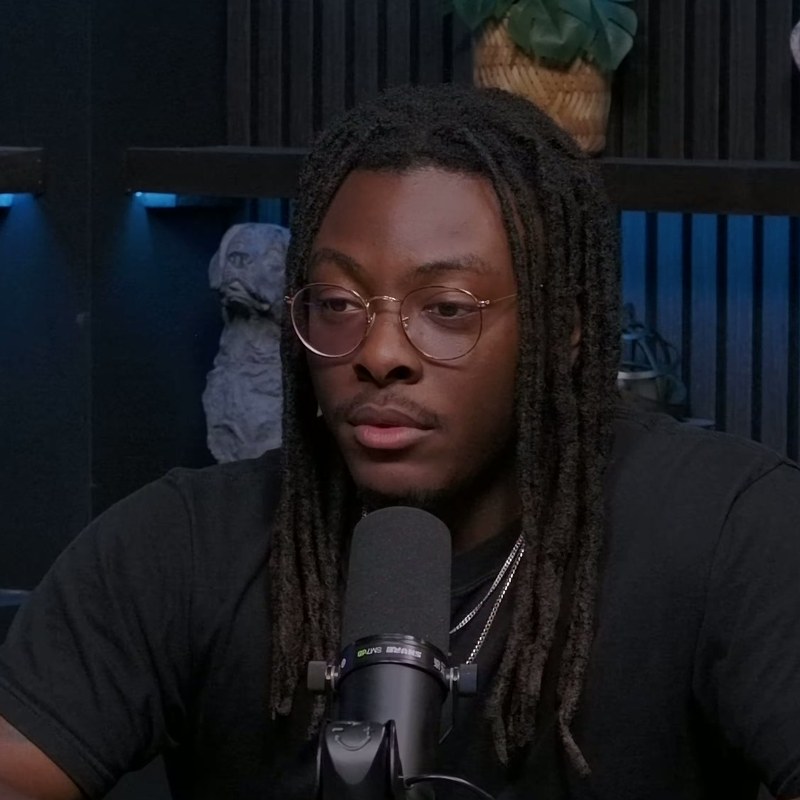
With another one so today we're with Yemi Yemi is with the Blackcore holding group and uh yeah i've really been looking forward to this one Yemi is sort of the financial wizard part of the team so let's get right into it tell them tell them where you're from and uh you know what what what business uh line of business you're in
Adeyemi Fatoye
Yeah so i'm originally from winnipeg but i'm nigerian nationality and uh met Steeven up here in audible in university um and yeah we over the years went through a couple different business ventures and finally have landed and stuck on mergers and acquisitions. I deal with the financial side, review the documents, review the businesses, kind of double check to see if it's a viable option. And then you just kind of go from there.
Natu Myers
Yeah, because run it down. Well, I'm really curious, because when I spoke to Steeven last time, you know, he was talking a lot about, you know, how he got, you know, originated some projects like, you know, the contract you guys are both are working on. So how do you guys work together like i know that you're part of the financial side so what are the tasks and responsibilities in your holding company and how do you set goals together so
Adeyemi Fatoye
I think this would go like way back to the beginning yeah like we started off selling used tires on like facebook marketplace and gg and everywhere we would we met a guy that was a whole a tire wholesaler yeah we would buy 200 like pairs or three sets of tires. We would stand in the colder heat, sort them out in a storage unit, take photos, price them out, send them out. And that was our first venture, and then we took that into a mechanic shop. And so Steeven in construction and in sales and knowing how to really work with people, he was the one trying to get us our leads. Me, on my hand, I love numbers. Everyone knows me. I love numbers. I love calculating money, calculating profit, calculating margins, seeing if it works. how can we improve those kind of how can we scale it and um essentially that's where it all started with the kind of division of roles yeah we both worked on our own separate lanes and uh we obviously knew a little bit of what the other person did because you have to if you're in a business with someone just a little bit you know yeah enough to carry your own and um it just worked and then again with the construction business like he was when he went full force with that he's been great i was like i can save you time like i can i can run i can run your your books for you and that and I think he mentioned, but I helped him find all the money that was stolen from him at that time.
Adeyemi Fatoye
Yeah, so that was...
Natu Myers
You're the guy who found that.
Adeyemi Fatoye
Yeah, that phone call was not fun. And that was like a couple months after he had bought his partner out. So did all of that. And then moving on to our first question of the cafeteria and such and how I fit into it. Since I love numbers, I go through the profit and loss sheets. I go through the balance sheets. I make sure that, okay, what's our cash flow looking like? How does this work? I talk more with like the lenders to figure out the loan terms. He's always present there, but he doesn't need to be. He doesn't have to be. He doesn't need to be. And so I go and I kind of say, hey, this needs to make this much. The loan has to be this amount. We can pay ourselves this amount. We've got to save this amount and it works.
Adeyemi Fatoye
And so that's how it goes.
Natu Myers
Yeah, that makes a lot of sense. Yeah, see, there are a lot of pieces to this because on my side, we have the, I guess, Tre Brown, the head of capital markets on my side, and he's more of a numbers guy. I'm more of a big picture, like, let me get the butts in the right seats, the bodies in the right place type of thing. So when you're doing numbers and when you're working with numbers, how do you communicate that to Steeven and communicate that to the seller, communicate to everybody so that everybody's on the same page so you can translate the language?
Adeyemi Fatoye
I mean, I feel like less is more.
Adeyemi Fatoye
Like, if you flood someone with a bunch of ones and zeros, like, they're just not, if they're not, you know, I want to say, like, passionate about it like you are, they're not going to really care. And so it's just keeping it short to the point and as simple as possible. And that, in my experience, works out best. And you don't even need to break down everything. If you just say, these are the biggest losers, these are the biggest winners.
Adeyemi Fatoye
We can save, you know, X amount of dollars on our bottom line with a couple of changes. As long as it's all documented in there and available for if they want to read it, then it's easy.
Natu Myers
Okay. Okay. So tell you this. So how did you know that you were going to, so taking it back to that story, how did you know that you were going to go from flipping tires to flipping businesses? Or I guess not even flipping but acquiring businesses because tell me more about that origin story because it's not every day you see a buddy in high school or rather in university on Facebook Marketplace. and then you're working on buying $10 million businesses.
Natu Myers
Kind of a little bit of a jump.
Adeyemi Fatoye
It is a big jump. So I guess like the entire, like I said, we started off, well, I met Steeven at a house party. It wasn't even through me. It was through like one of my friends. He worked with him at a paintball place slightly out of town. He brought Steeven over and I think I was like 22 or something. Steeven walks in with my friend and I yell, who brought this old guy to my house? And then-
Natu Myers
Rob Markman I think he told me that story. I remember that. Yeah, yeah.
Adeyemi Fatoye
I'm yelling, who brought these old people to my house?
Natu Myers
Rob Markman You're the guy who asked.
Adeyemi Fatoye
Yeah. And so, then just a little bit over time since he was friends with my friend, started hanging around and then ... I mean, we're in university. We just want to make some extra cash. We're already working part time. Actually all of us were in school. We're like, we need some extra money. And then get into the tires. And then we're like, okay, we're making a little bit of extra change. And this is where Steeven gets into his networking kind of thing that you've seen him do. He's so good at talking.
Adeyemi Fatoye
Talks to his mechanic. Then we start wholesaling a bit. Then we try and find wholesale suppliers. That kind of falls through. We then try and get into a garage because I had so much detailing experience. So I was like, let's just sell out of one location. It makes it easier. We can detail make extra cash maybe hire one person eventually do it on the side get into that COVID happens So then COVID happens We like what are we going to do We try and make it work Our third business partner at the time, he goes to law school in Europe. So then it's Steeven and I, and then I'm like, you know what? I know you're doing construction because he had already talked about it. He had a big background in it. So then he goes, I tell him like, hey, focus on that more. I'll deal with this because that's going to make you your money. Garage and work out. Garage and work out. We didn't lose any money on it, though.
Adeyemi Fatoye
No debt. We didn't lose any money on it. So that was fine.
Natu Myers
But it didn't work out with just no leads or no sales or no money?
Adeyemi Fatoye
Well, I'm not a sales guy.
Adeyemi Fatoye
I'm the numbers guy. So our legal guy, who was our third partner out in Europe, our sales guy, the guy that really drives and brings a lot of people personal doing sales for his company. and then it's just like you got a new you have to know when to give up you know you have to know when to call it quits and i think it was like 1 a.m i like had like a crash out i was in the shop doing like someone's car for the next day and then i was just like this is no point like this doesn't feasibly make any sense if we keep going it's going to become to that point where you can't even come back from it and then we're actually going to have debt and i'm still in school i'm still taking i'm still taking classes and stuff
Natu Myers
And you're studying what by the way
Adeyemi Fatoye
I was looking at economics.
Adeyemi Fatoye
Yeah, economics, Bachelor of Economics.
Adeyemi Fatoye
And then fast forward, I mentioned before, we go through, I help with his contracting. He gets out of a bad partnership. I help him with that. And then shortly after, he actually hires me on as a bookkeeper.
Adeyemi Fatoye
So that was, he gave me the opportunity to do his bookkeeping for him and help with his contracts and stuff. We did that for about a year or so. And then we got into this kind of mutual understanding that like people kind of suck. No, people, people kind of, people are not the best to deal with. Like as reasonable as you can be when you get into like that sales kind of when you're in that. And he wasn't a small contractor. He was a small medium. So you get into that kind of scale where you're dealing with larger numbers. People are trying to, oh, can you take a couple thousand off here? Oh, can you give me a discount? Oh, can I pay in cash? and then that's kind of where I built a lot more knowledge because I was a lot younger about we're still going to pay taxes if we charge you tax or not like even if you pay cash we're still recording it as our income for a company on our tax returns for the company yeah so well you're
Natu Myers
Doing things the right way
Adeyemi Fatoye
Exactly and that was and that was a big thing that we had met so many people on the way up to doing the wrong way that we're like we got to do it the right way because you we want to have some record of what we've done and then also you want to want to buy a house if All your business is in cash. They're not going to give you a mortgage. And they're not going to give you a good interest rate when you want to buy a car or finance it. And these are things that we learned along the way. And so how it got to the mergers and acquisitions after all these little kind of tests here and there was why start a business when we can buy it.
Natu Myers
How did you figure out you can buy one? Did you hear Dan Pena on the internet?
Adeyemi Fatoye
It's just off the internet.
Adeyemi Fatoye
Just off the internet. and then we started scouring the internet for, you've heard, biz buy, sell, and like all that. So that's where we first went to because that's what's just there. So then we went through like that kind of stage of looking at biz buy, sell, dealing with brokers and all of that. And then we hit a, like a dead end basically. And at that time I'd been working at the bank and he was still doing contracting because it was still, you know, still his main source of income. And then so hit that dead end. And then you've heard the famous couch story.
Adeyemi Fatoye
After talks to the guy on the couch about buying the couch. Sorry. Yeah. Contact me. And then in like 102 or 120 days, we hustled and got the deal done. Closed on January 5th or 4th, something like that.
Natu Myers
Yeah. Yeah. Like what? 90. It was less than 90 days out.
Adeyemi Fatoye
Yeah, 102 or 118, one of the two. It's like 120 days or under that.
Natu Myers
Okay. Okay, but let me get this straight because the thing is you've gone through a lot of difference and there are a lot of businesses that you kind of glazed over really quickly that you didn't really dig deep because what are all the businesses that you worked on or launched or played with? Because I messed with a lot of businesses too to figure everything out. So just like for the audience, just go through everything in order. In order. in terms of like okay did you play with um you said you had a detailing yeah so i guess start
Adeyemi Fatoye
Off with just tire sales yeah it's a common business i transitioned into a detailing garage got it okay sold out of then it was a mechanic shop yeah because more money yeah auto repairs yeah and then uh i went into bookkeeping yeah almost like kind of like an admin work okay that's So that's kind of what I did. And then between that to I got gone to the cafeteria.
Adeyemi Fatoye
I worked at just a regular full time, you know, eight to four job. We got our first acquisition and then now we're trying to get more.
Natu Myers
Wait, you worked at a cafeteria. How's that? You worked at a cafeteria before you got this perfect cafeteria?
Adeyemi Fatoye
No, no, no. So I, I've had a lot of like regular jobs. I've worked at just regular jobs. So I worked at the bank for four years.
Adeyemi Fatoye
And then in that period, we acquired this business, and I did both at the same time for one year. And I quit my bank job and did the business full time.
Natu Myers
Oh, okay, okay, okay, okay, okay, okay. This is huge. Yeah. So how come you, so, I mean, I know, I guess it's the right thing to say, you know, we have integrity, all this. But we had a client. He had a mechanic shop. He did a complete seller carry deal [a client's deal, details withheld]. So the thing with him is that his credit score was, I didn't even know credit scores could go that low. It was down to [score withheld]. I didn't even know credit scores could go that low.
Adeyemi Fatoye
I know a couple of people like that. Yeah.
Natu Myers
Yeah. Yeah. Not good. Right. But then the guy, he didn't even do any, he didn't keep any tax. He had no tax records [details withheld] And so anyways how come you so before you knew you were going to go into buying business I guess as you're going into that, what made you decide to keep everything straight? Because some people, they don't, they're lazy. Most people are lazy. They delay things. But what is it about you that's different than other people? Why did you decide to do this the right way?
Adeyemi Fatoye
I'm an overly cautious person. Yeah. Even going into like getting like our first business, like I am so like I'd say I'm better now, but I was so risk averse. Like, yeah, if there was any possibility of a downside, like I'm probably not I probably was not doing it, which is what most entrepreneurs are not like that. Yeah. So like for me personally, if I'm going to go into like any kind of business or start this business, I want the least amount of headache. I don't want to have five years later CRAs knocking on my door being like, hey, you owe us X amount of dollars in taxes. I don't want that. I don't want to deal with it. I don't want to have any. And we also dealt with people that kind of typewrote that fine line of doing it the right way and the wrong way. And they were more on the wrong side. And it still bit them and it still got them in the end. Yeah. So seeing that and then going being like, OK, we'll definitely make less money in the sense of what comes into our pocket. But I was like, we have no headache. I don't have to worry about this. I don't have to worry about potentially having to pay this all back. Yeah, we in the the tire, the tired era of our of our kind of entrepreneurship. We were buying from a wholesaler that only dealt in cash. He bought his car in cash. He carried cash. He paid his rent in cash. And we're like, this guy's going to get caught. About a month or two later, got caught, had to leave the country. He was gone.
Adeyemi Fatoye
Yeah, he left.
Natu Myers
Man, he's probably in so much debt that he couldn't even.
Adeyemi Fatoye
No, it would be impossible. I mean, we were buying, I mean, like thousands of dollars worth of tires from him. So it was like, we knew that if you're doing this at a big scale.
Natu Myers
Yeah, that's crazy.
Adeyemi Fatoye
And you're just paying cash everywhere. Like you're going to eventually going to get caught.
Natu Myers
Yeah, there's a lot of hanky panky. Like one time, you know, I got a haircut like a few days ago. I went to a barbershop in Somerset. And then the guy is telling me a story about how he does some real estate, about how people lie on their rent rolls. And he said that this is common. And I was super sketched out. But people lie on their rent rolls about how much rent people are receiving. And they try to get a refi for a bigger amount than they will normally qualify for. And then they use that refi to go and buy other stuff, like other buildings and stuff. That's a mess. Well, I think it's literally like jail time. because you can't lie to it. There's certain lines people can't cross.
Natu Myers
Obviously, being messy, that's one thing. But then lying to banks, that's a line that...
Adeyemi Fatoye
Yeah, there's creative accounting that is legal. And then there is just illegal money laundering and fraudulent activities.
Adeyemi Fatoye
I would much rather stay on the side of the legal creative accounting where you know exactly how to do it properly and you can save yourself some money here and there than be like, I'm not going to pay taxes. I'm just going to keep it all being cash. And yeah. It doesn't matter the amount. You can be making $30,000, $300,000. The government still wants their percentage no matter what you're making.
Natu Myers
Yeah, yeah. And I guess let's talk about some magic then. So you mentioned creative accounting. What are some tools and I guess what are some strategies that you're seeing? Because on our side, we're seeing a lot of people ask for quality of earning reports. we're seeing people ask for um you know we're seeing people use different exemptions i think there's one exemption where for example if people want to sell off their business in canada they do a stock deal instead of an asset deal so that they can um take up i think they can you know how there's this capital gains yeah the
Adeyemi Fatoye
Capital gains uh tat the tax on it
Adeyemi Fatoye
Um yeah that's what our when we bought it that's why we did as a share they did as a share sale instead of a asset sales so we bought the shares of the company exactly on their end they paid less in capital gains tax yeah than uh the asset um sale and um like i'll preface i'm not an accountant so i i'm not the most educated when it comes to it um what i do in our business and try and find our way through our creative accounting is learn what we can make that is tax deductible on the business side and what we cannot like some people sit there and like okay well i drive my car for for business right so i can write off
Adeyemi Fatoye
Can write off my gas i can write off my insurance i can write off my repairs and what they think that means is they can take their company card and just tap tap tap tap tap yeah unless it's a company registered vehicle it's insured under your company you cannot just tap tap tap and not think about it you have to keep a daily drive log and the cra may ask for it they may not ask for it but if they do ask for it they can go back six years back yeah six years worth of if you're going to prove that for the past six years you've been writing off all these car expenses they expect you to have whether digital or not copies of everything and if you don't they'll add it all up they'll they'll calculate the interest you would have paid and they will apply the penalties and they'll say where's the check yeah
Natu Myers
It's it's it's see that's the thing and and so okay that's the financial fear but then what about the legal fear right Because when people are going into the raising money business, there's like you're raising people are raising equity. There's this whole thing, especially in Canada with accredited investors.
Natu Myers
So, I mean, there are a lot of like ways to avoid that exemption to go like I don't want to say go around, but I want to say to not go in that direction to save time and money. Some people go right into that direction. I've tried both. And I definitely think that, you know, from from what I've been through, I think only only use only go straight into it if you have a lot of money to to burn. you know so yeah but what do you what are your thoughts and all that um I me
Adeyemi Fatoye
Personally like if you're gonna go into like taking money from people and you were with the legality of it and like where the money's coming from and where they sourcing it from I personally don care if like in this in this day and age like especially after Kovac when people are transferring large sums of money and they been holding it for a while where that money came from is obviously good enough that it's staying there yeah if it wasn't supposed to be there they would take it it would be it would be gone it'd be held it'd be blocked it would have been it banks don't play with their money and even if you're banking personally they still you know what I mean, it's pretty easy. So I go the way of less headache. And if we're looking for, like, if we're trying to get funding from a private versus the bank, I know how the banks work. I worked at it for four years. So I know what they're going to ask, what they're going to need, what they want. When it goes private, like you said, you're dealing with an individual you don't even know. So you're putting a lot of trust into either that person after talking to them, doing your own kind of due diligence on where they say they get their money from. Because you can't prove it. um you know there's escrow that you can hold you can put the money in escrow you can hold it for a certain amount of period so that if it is fraudulent it'll get called back and you'll get notified um in that case but other than that i mean if uh there's nothing else else that you can do like in my personal opinion like you can do you can't physically go and investigate another person's bank account like you said unless you want to burn money and you want to pay you want to do that then sure um but uh yeah there's nothing that you can really do as an individual like you said i agree with you completely that's
Natu Myers
Fair because we did a deal one of the deals we did um it's funny like so i think i was telling Steeven when i was at the uh when i was at this your contract business that you guys you guys require yeah so then the guy um you know he was slow in making the lender pay as we so our team found this lender got [a client's deal, details withheld] he was happy he's delaying the payments paying him slowly and then the guy's like yeah like what's happening we tried to refi him he declined to refi you know he just said no i'm good well he's just being cheap because we could refi him for like so i mean he's on an expensive um [rate and amount withheld] so you know the thing is that we got a refi [terms withheld] and he's like let me go raise equity let me find out another solution whatever right like okay good for you right but then the thing is if that guy defaulted uh and went bankrupt within a period after you know our company uh the brokerage companies and everyone got their payments from the closing the deal yeah then they can come back and try to claw it back and then one thing i learned and talking to the lawyer i learned that we have to have our contracts so that we go back to the person that defaulted and then put that bill on them so that it just flows through you know yeah so it doesn't go on yeah land on you yeah you guys like the middle yeah you don't Yeah. Yeah. Yeah. So it's just like, I don't want to be exposed to that stuff, but then you're on the other side of the equation where you're buying businesses and you have some really good deals. I've been taking a look just recently. I didn't send it to the team yet, but I just took a look today and then it was legit. So you're looking to buy a business. You're worried about preventing unnecessary, taking unnecessary risk. So how do you make sure you do that acquisition and you don't get into any trouble when, especially when you own that business.
Adeyemi Fatoye
Yeah. So my way of looking and kind of evaluating these companies that kind of come our way after the obvious financial side, okay, well, how much cash is it making? Okay, next. Okay. What do they want to sell it for? Is it worth that much? We go through all of that. And now what is the business? We go through so many different types. Like we've gone through construction, concrete, medical. I think there's a spa we saw once. These are all these different industries that obviously we don't know that much about so what we what we want to do and what our entire game plan is is we want to get operators we want to get we want to staff them put the right people in place and we're just overseeing and we're overseeing like i'm overseeing on the financial side Steeven's overseeing on the operational side and so we're hiring someone to run our business and that's an easy one to double check and it's like hiring someone for a job the resumes and then double check that on the legal side on our end make sure the company has nothing hidden and that can be and that could be guaranteed in the contract and the sales agreement so that's that's also a very easy thing to kind of mitigate our risk by saying if there's any lawsuits pending lawsuits unknown lawsuits that are dated prior to our acquisition that falls on the previous owners so
Natu Myers
So how does that work in practice people have contracts like all day long but then in practice you do the deal you see that there's a lawsuit they lied about how do you deal with that in practice
Adeyemi Fatoye
If no money's been sent and they've Why would a lawsuit? I'm back.
Natu Myers
No, I mean, let's say you bought the business. You find it out after. What happens then?
Adeyemi Fatoye
Go on to court. At that point, it also depends on the lawsuit, right? It's also pretty easy to prove. We'll have the contract, the sales agreement. We'll say that, hey, anything that happened prior to acquisition is liable to the previous owners.
Adeyemi Fatoye
At that point, it's pretty straight and narrow.
Adeyemi Fatoye
There's obviously legal fees and costs that would come with that. And that's why you can also have insurance for that. But our insurance does cover some amount of legal fees if it doesn't have to do with us, if it has to do with us and the company.
Natu Myers
Legal fees or if you lose a lawsuit, the payment that you have to make, which legal fee does it cover?
Adeyemi Fatoye
It covers legal fees for hiring a lawyer and all that. If you lose a suit, that's if you lost the suit. We don't have insurance for that, but we do have insurance to cover for any legal fees that happen for that. It's not bad.
Natu Myers
Yeah, litigation is kind of expensive if it's a big one. Like if it's above, I think what, like if it's above small claims, it's expensive. Because we actually, and I'm curious on your feedback on this, because you're buying businesses, you're looking for good deals to acquire. You know, one of our clients, so we're doing a deal right now. I don't know if I have to check with my guy to see if they signed the actual agreement, but he's selling a senior home care living facility. [Amount withheld.] And then with them, the issue, the thing is, like [our terms on the deal, withheld]. Because we usually, we try to ask in clients for equity after the deal. They're very reluctant. But it's kind of funny, the moment you ask for warrants, even though it's like a big discount, because we can use the cash commission from the closing to ask for warrants, they're like, oh yeah, sure. So it's kind of silly, but whatever, because
Adeyemi Fatoye
People just view it a different way. They're like, oh, it's fine. It just clicks in their head.
Natu Myers
It's like the optics because it's, oh, yeah, we'll buy in, we'll buy in, we'll buy in at this huge giant discount. They're like, okay. I'm like, anyways. Anyway, my question to you, looking for, I guess even the advice feedback is like, we may have a significant role in actually trying to hire people to run that senior home care living facility if that thing actually goes through. So the thing, though, is I respect the skill of hiring because I know a lot of guys are like, yeah, I'm just going to hire. I'm just going to hire. But then the thing is, hiring is a skill. It's hard.
Adeyemi Fatoye
We've dealt it. Even at our business, it can be a pain. We've had some great hires and some terrible, terrible hires. And sometimes there's no indicator. I hired one person that during the interview was amazing. First day on the job, we had to fire her. We had to let her go because she was awful. Our other employees, they would text me and be like, hey, I don't know if there's some person who hired you and you're like, okay, in the head, what's going on? No, it was bad. It was real bad. No, yeah.
Natu Myers
Yeah, that sucks. Do you have all these, you know how when you rent a house in, I guess, either a blue state or a liberal place, not to get political, but then the reality is, things are more pro, I guess, consumer in more liberal places where it's hard to fire, It's hard to kick somebody out of a rental. But then if you're in a more business, pro-business place, like Alberta in Canada or in a red state, then you can fire somebody quicker. You can get somebody out of your house quicker if they don't pay your rent. So then do you struggle with that? No.
Adeyemi Fatoye
Our employment contract, it's very easy to read. It says, hey, we can let you go at any moment within 90 days probation for any reason. Anything past then, we obviously have to provide you a reason. and we have like a warning sheet. We keep an extensive record. That's also what I do. I try and keep everything easy to find. So when we hire someone and say, hey, this is the contract. Read it, sign it, I'll sign it, we're done. So if you are within your probation and you've signed that document that we let you go and we let you go and we say, hey, it's just not working out. That's it.
Natu Myers
What if they cry lawyer, lawyer, and then go down the street to some employment lawyer?
Adeyemi Fatoye
At that point, let them. Like it's a bluff. Yeah. Well, it's a scenario too. What would they be? What are they trying to get out of it? Like I guess wrongful termination is what they're going to try and get.
Natu Myers
Severance, whatever mental health severance.
Adeyemi Fatoye
If they have to have proof of letting us know
Natu Myers
They'd have to have.
Adeyemi Fatoye
And we work with some people too. We were, we're pretty generous when it comes to employees and we lost learn to keep, we keep record of everything. All communications. I say, email me, don't just text me, email me, say all of this, you know, like make sure it's there and we we have written in verbal warning sheets that if we get someone a warning hey we write this sheet down we handed them said hey we warned you about this on this state for this amount acknowledge you get a copy we got a copy and you get three of these we're we're talking so our our framework how we've laid it all out is is best for us like there's no we don't have any fear of any kind of lawsuits or legal issue we have insurance for everything that comes to the equipment and injuries and good air wsiv we do all that stuff and we make sure that everyone's good and then we communicate openly with with everyone that we hire and keep it you know straight to the
Natu Myers
Point yeah just to be real with you though like the this actual business and the business so one thing i noticed is like you guys seem to care about like the deal and then the business in general but like do you guys like are you passionate for like you know like i saw like it's you know it's a great kind of like like it's a sick it's a sick um it's sick that you did the deal and it's sick that you're doing more deals it's cool but then it's like do you care about the the industry or is it just like whatever industry that makes money like what's your view on
Adeyemi Fatoye
That in my opinion it's whatever industry that makes money i've worked that i think every industry yeah possible yeah i i and um one thing i've learned is that i mean on a big scale the owners don't care about the employees that are working there to be to be honest at a very small scale we really do care about employees we like yeah we come in we talk to them every morning like every morning
Natu Myers
Yeah define big though what's big scale and what's small scale
Adeyemi Fatoye
I would say big scales if you're dealing with over a hundred employees yeah you're probably not keeping track of all 100 of those pulling that's 100 different people with 100 different scenarios uh they're probably broken down to a minimum of 10 teams yeah minimum like like one one uh supervisor with uh nine other people minimum would be like your amount but there's probably more because you probably have teams of four and six and stuff like that. And your primary job then as an owner at that scale, at least from my opinion, would be more so making sure that your long-term, like your five-year, 10-year, 15-year goals are being met because you know you're going to have a bad year. When you're like us, we have about 17 employees. We're worried about every, like we're focusing on every year, you know, every four-month span, every three-month span because we got to make sure that the business is running smoothly for our employees. We've got to pay their wages so they can pay to live. So that's just my opinion on that, yeah.
Natu Myers
Did they, like, I guess in the, you know, without getting into details, were people good at, like, handing that off, you know, so that you could get the old SOPs of the previous deal? Was that a good experience? Or, like, what's something that was good about that experience?
Adeyemi Fatoye
Like, when we acquired?
Adeyemi Fatoye
Yeah, I mean, I guess the nice thing was that the previous owner stayed on until March.
Adeyemi Fatoye
And worked at the like still worked there and showed us every single thing uh told us it was long enough that we knew every single kind of um any problem that was like a rise like the the normal ones like the the common ones we knew how to deal with we knew people's schedules yeah uh we got to know it's a cafeteria so ordering systems suppliers we met with all of them we met with um our contract holders that were under contract to yeah figure out how they kind of operate. And then it was actually supposed to go to May, actually. We actually ended it short because at a certain point we like we learned everything We like we paying you We not going to keep paying you for no reason to not teach us anything
Natu Myers
Oh so so you paying them part of the the cash flow of the business
Adeyemi Fatoye
We pay them we pay them an hourly wage to show us how to run their business before they left yeah
Natu Myers
Okay okay okay very interesting okay so i mean Blackcore holdings so yeah what so tell me tell me like about the types of businesses that you're looking to acquire Tell me your buy box, your acquisition criteria.
Adeyemi Fatoye
Yeah. So for me, we're trying to buy self-sustaining that can service the debt, recession-proof businesses. So we're not too into the tech and the IT, the big flips. We're going to buy a business that's been around for 20 to 50 years and will continue to be around for 20 to 50 years.
Adeyemi Fatoye
That is our criteria. And then in terms of size of revenue, the revenue to me doesn't entirely matter. What matters more to me is the cash flow. So I want it to be cash flowing as close to a million at a minimum as possible.
Natu Myers
Okay. Okay. So your revenue, one million.
Natu Myers
Okay, cash flow. Educate me.
Adeyemi Fatoye
So once you add back the owner salaries currently, you add back depreciation, like EBITDA. Everyone knows EBITDA. Assets. Yeah. You add that all back into the company's profit loss statements. How much cash would go into that business every year? I want that to be around. as close to a million as possible.
Natu Myers
Got it. Got it. Okay.
Adeyemi Fatoye
Those are the big, those are the big fish. Those are the ones where you are buying it. We're putting a CEO, like a CEO in place and we're doing maybe weekly meetings after. It will be present a lot in the beginning, but after a couple months, it's weekly meetings or monthly meetings. We want updates. We want, and then maybe annually, quarterly we'll do reviews where like, okay, what goals are trying to hit? Go from there and it's super hands off.
Natu Myers
Are you going to hire, so like let's say you do your next deal way more substantial than your current business that you guys are running are you going to hire like a some sort of like management team or okay so how many layers down because i'm actually dealing with this right now because usually i'm on the money raising side but like you do a deal uh you do are you going to hire the the c-level executive yourself or are you going to hire somebody that hires a c-level executive like how many levels we're going to
Adeyemi Fatoye
Hire the C-levels of ourself. We're going to discuss probably a budget, the contract and all that, their salary, and they're going to be responsible for running the company. But they're going to need to be qualified, obviously. And one of the steps that we're going to use in terms of qualification is using the previous owner to help us determine who's qualified. Because if that owner has been around for 10 plus years, 20, 30 years, no one knows it better than them. But then times are also changing. So when we're hiring, we want to make sure that we're getting someone that aligns with our values and then also does know what they're doing. And then they'll communicate with us. And for every business, that's what we're going to do. There's going to be a certain point where there's too many people kind of talking to us.
Natu Myers
Yeah, yeah, yeah.
Adeyemi Fatoye
And then we would scale at that point. And then we just have to hire a guy for Blackcore. And then that person deals with each. And we might even divide it up by, you know, look at the map and say, okay, this is going to be the southeast guy. This is going to be the northwest guy. and then those four will then talk to us.
Natu Myers
That makes sense. But the thing is, why don't you get the CEO that you hire or the person that owned the business that is selling the business, why don't you get them to hire somebody as part of like a...
Adeyemi Fatoye
Some of them do have people in mind and we're 100% open to that. It makes our lives easier. But some people, they haven't planned about succession. A lot of the people that we talk to, this is, I don't know, their dad started the business, They worked there their entire life, and then their kids just didn't want to keep running it. And then they were just working and working and working, and then so made them an offer, and they started thinking about selling. And now they're looking at getting their life, their retirement out of selling their company. And so they haven't thought about who to replace. Some owners have actually referred employees that we could promote and then hire. And then it's easier than just to hire the low, not, I guess, low level, not to be rude to them, but the lower level positions there. And that's always an option, too. But we're not, we don't take anything off the table. We consider all options when it comes to that because you want to keep the business running smoothly. And you also want to have the trust of the staff.
Adeyemi Fatoye
Like, if you come in there and you acquire the business and then you just go and you hire someone that doesn't really know what's going on or they don't really trust. And then the trust just shakes and it goes down and then you have people quitting, you have people going off to maybe competitors and you don't want that.
Natu Myers
Yeah, it sounds like a disaster. So legally, though, so let's say this is literally the thought process I had. So I'm like, OK, my teammate was like excited. He was like, yay, [our terms on a client's deal, details withheld].
Natu Myers
You know, because it's kind of this weird deal [structure withheld]. It's nice. It's nice, but then it's kind of stressful in the sense of liabilities because it's like, okay, you own this business. You hire a CEO. Somebody goes and underscites and then they, God forbid, they die or something. So who gets sued? Is it the CEO that has a liability? Is it you? Or do you have some sort of... So the company. So what happens?
Adeyemi Fatoye
I mean, that's illegal. That'd be a lawyer question. But from my understanding, and I could be wrong, so don't take my word on it. But from my understanding is that as long as you, if it's a senior care living home, there's probably your insurance and whatever you need to operate that would be obviously straight and narrow. And that must be a very common scenario, realistically.
Natu Myers
Like slip on the stairs.
Adeyemi Fatoye
Yeah. So there's probably a due diligence. There's probably a process that's already been set up by the previous owners. You need to make that just up to date. And you just follow that process. But that wouldn't fall on you specifically. It would be on the company. And that's what people incorporate. So the liability is not on you as an individual. It's on your company as a whole. So you not directly liable for it And I mean I feel like a senior I would be very surprised if a senior care living center did not have policies for when people die Yeah Well I tell you this like
Natu Myers
[A remark about a client's deal, withheld.] But yeah, I'm not trying to get any targets. But the thing is, the thing is like if so i guess the way that the deal is being structured we're looking at seeing if we can basically like continue to extract cash without it um without certain things rolling up on us so like i saw i saw Steeven's uh you know facebook story there and i don't know if you know but he has like a nice uh you know outline and then there's some deals that are uh you know some targets are canadian some targets are american
Adeyemi Fatoye
Oh yeah yeah
Natu Myers
I drew that up yeah so pretty pretty up and open. So the thing is, one thing that we learned after doing one deal and put it into a holding company is that the, I can't remember whether S Corp or C Corp, but people don't do holding companies in LLCs in the States. No. Because everything just flows through to the owner. Yeah. So then they always have a, like, I can't remember whether it's a C Corp or an S Corp, but they have one of
Adeyemi Fatoye
Them. I think it should be an S Corp. No.
Natu Myers
Yeah. S Corp. Yeah. S Corp. So yeah, I think depending on how they structure the deal, how they structure the shareholder agreement. There are certain benefits you can get, certain things that you're not liable for. So I think it all depends on the capital stack, how you structure the deal to make sure that we're not, people are not taking responsibilities for things that they're not ready to.
Adeyemi Fatoye
Yeah, no, that's true. And like you said, it comes down to the shareholder agreement and kind of like how you and whoever is going to be the owners of the company say how this is going to work and who falls. Because at the end of the day, it's your company. So there is a certain degree of responsibility, but it just depends whether is it caused by you or your shareholders or is it just something that has happened?
Natu Myers
Why be industry agnostic? Because like let's say you do, I can't remember the example, but let's say it's like, or give me an example. A nice industry.
Adeyemi Fatoye
Oh, let's just say like concrete.
Natu Myers
Yeah, concrete.
Natu Myers
Okay, so you have concrete and then you have this, you know, you have this like service business, food service business thing. So how come you don't just do all food service or how come you don't do like because couldn't you save a lot of money by vertically integrating? Then it's basically like a giant roll up or are you trying to like what's the strategy?
Adeyemi Fatoye
I personally don't want to do roll ups unless it's set up originally. So our current food industry deal, I would never do food industry if it was not. i'm not i'm not going to actually i just refuse to do it the deal that we have currently i will only do food industry in that setting got it i won't go open a restaurant i won't go yeah uh chain i mean i mean i could possibly do um what's what's the word like uh franchising yeah maybe consider it if it's like a bunch like if if it's a company that says hey i own 10 franchisees of mcdonald's or whatever okay that
Adeyemi Fatoye
An example right which would be crazy yeah that That's a lot of money. You need to have a million dollars in assets to buy a, in cash to buy a McDonald's.
Natu Myers
Yeah, it's expensive, yeah.
Adeyemi Fatoye
But if it was rolled up like that, I'd consider it. But to me, having different avenues and different kind of, and some that Steeven also kind of believes in, I was like, this is actually a really good idea. Having different sources of income from different industries and different suppliers and owners and contractors, like nothing correlated. So if there's a problem here, it doesn't flow over to another company.
Adeyemi Fatoye
It's just amazing it's it's great and um yeah we're even dealing with with a scenario where it's like our current business we're dealing with like the um just like the contract and our contract holder and it's just a headache um and i i've always said my entire life that common sense is not common and this applies to that situation so much i can't say more of it than that but it would be so nice to be like okay well i can just forget about like just forget about this and focus on my other business right now. Like when that time comes, it has no correlation to what's going on there.
Natu Myers
Yeah. Yeah. No, I already, I think I know a lot of what you mean without getting into it, you know, because sometimes when you deal with things that you can't really change, then, you know, you have to do something else. So it's interesting because, but would you, how come no real estate?
Adeyemi Fatoye
So it's funny. Cause my, my, my family actually does real estate on the side. Like that's not their actual career.
Adeyemi Fatoye
But I've seen how much money that makes. And they don't do multi-units, obviously. They do more of like duplexes or single-family homes or apartment buildings. The barrier to entry to real estate is like it's just as high as business, but your cash flow is so low. Unless you're flipping. Unless you're buying it to then renovate it or fix it up and then sell. But then you still need a lot of cash flow. We need to borrow a lot of money to do the same thing. And it's all this cash all at once. and then you, like, say you even make, like, $100,000 in, like, nine months, right, you bought an apartment, and you fixed up, and you sold it, you got to do it again, and, and then that $100,000, you're probably going to reinvest to try and do the same thing again, and so I want to, my, this might be very lazy of me, but my goal is, like, I told you, I want to retire, I want to retire at 40, and by retiring at 40, that doesn't mean I'm going to stop working, it's that I do not need to work probably
Natu Myers
Do that way earlier than 40
Adeyemi Fatoye
Yeah hopefully but i think you'd be good yeah but this is what i was even when i was working at the bank i was like i want to retire at 40 like i want to be in a scenario where i don't have to don't have to be working at 40 yeah and real estate if you're if you're talking about like i want to say like 20 story apartment buildings and maybe you can consider it but again you're not making a lot of cash flow and
Natu Myers
That's true and
Adeyemi Fatoye
To me that that's my primary goal is i'm looking at every month just reoccurring cash flow for the business at such a high volume that i paying myself also a decent amount like one of the things that um Steeven and i are saying is like instead of having one massive huge company that all our money in that and we're making a bunch of money from there, we'd rather have a bunch of medium-sized companies that are all paying us a little bit here and there. Just not being too greedy, you know what I mean? Just a little bit, a salary there, a salary there. Maybe we don't take a salary from one company. We don't need to. That's the framework that we're kind of going for.
Natu Myers
It makes sense because the thing is, like when you look at an acquisition point of view or a fix and flip point of view you know i say fix and flip on the commercial sense on the multi-family like yeah value add and exit like i guess they just use different words like fix and flip value and exit the same thing yeah it's a bigger deal but like i can see why because like if you're one of the guys one of the guys like me in the middle you know then there's a lot like okay we have a deal [a client's deal, details withheld] yeah there's a lot of money on the table and like even if you just get a sliver of it but the thing is it's like it's only because money's being moved but and if you hold it it's kind of boring
Adeyemi Fatoye
Yeah it's nothing
Natu Myers
Yeah you buy real estate and it just sits there yeah and
Adeyemi Fatoye
And you you're probably gonna lose money on the mortgage and your property tax some months if something breaks yeah i mean um my family's uh is traveling right now and they have a unit uh the furnish is broke yeah they're out of the country yeah now it's like they have to scramble and figure out like, okay, we have tenants in there. It's getting cold now.
Natu Myers
Yeah. Well, at least you're in a good province at least. Like that's the only defense.
Adeyemi Fatoye
Yeah. But it's still, it's like those things are not, unless you get a property management group.
Adeyemi Fatoye
Which also, Steeven and I did property management for a couple.
Adeyemi Fatoye
We did property management for a couple people. He met them doing his construction company. He was renovating their, building them an SDU or something like that. And he said, hey, if you're going to rent it, do you need someone to manage it? So we did that for biggest headache. We actually, it gave us such a headache dealing with the homeowners, not even the tenants, the homeowners that we said, we're canceling off our contracts. We don't want any more of your money. Just goodbye.
Adeyemi Fatoye
Just deal with it yourself.
Adeyemi Fatoye
Yeah. Because a lot of people that get in, and if I went into property management, I'd have the same kind of mentality as my mother said, is that you can't probably manage it. That house is not your, don't treat it like your home. Don't treat it like your baby. Don't care about it. If they're going to ruin it, they're going to ruin it. Don't let them destroy it. But if they're going to paint the walls, they're going to paint the walls. If they're going to move stuff, let them move stuff. Because a lot of people go into property management, and they treat that one investment like their golden egg.
Natu Myers
Yeah, they put their ego and then their identity.
Adeyemi Fatoye
It has to be perfect, and you have to do this, and you have to do that. And then when that happens, it's just not enjoyable. So you're stressed out about every little thing about who's renting, what's happening. But no, you got to buy your properties and forget about it if you want to go into it. And maybe that might be a side project, but definitely not our primary or not my primary kind of avenue I want to get into.
Natu Myers
That's fair. Quick aside is I definitely felt like the only aspect of real estate that we had the most success in was existing buildings that were producing cash flow. Everything else was... Yeah, I mean, their development's tough. Fix and flip, too small, too chaotic. Single family, too small. so that's the only thing yeah we do focus more on like 90 on m&a um so man so when you look at the types of deals that you're working on the deal structure though like what are you seeing in terms of like the gaps that you need though because you suddenly saw me a deal like i haven't finished going over it but what type of gaps are you looking at like
Adeyemi Fatoye
In the market or in that
Natu Myers
Industry no i mean i mean on the deal structure so like let's say you have a deal yeah like uh like maybe i don't know if you're allowed to say but like you have a deal that you want to acquire yeah and then there's like a either an equity gap you know a gap in the in the purchase price that you need to raise
Adeyemi Fatoye
Oh oh yeah so so when we look at when we look at those deals we we we look at their purchase price obviously first and we see okay like how how are they making their money so who what do they sell is it a product is a service and we go down from there and then we say okay um let's look at their past few years are they consistent like some some people will will take their best year and they'll say okay based off of this we're going to sell the business at 20 million dollars and then we'll look at that and be like this is just this is just isn't that's not that's not possible you made whatever let's say 50 million one year every other year you made 30 million yeah not that's not going to fly and so i go through the financial reports and build um basically kind of like a proposal saying hey you're wanting 20 million dollars but i look at this and I see your average, your normalized revenue is 20% the way you put on the for sale sign. Sometimes you are the business, so we have to hire someone to replace you. And that fair market value for a CEO in your position might be $150,000 a year. Looking at your staff, a lot of them are old. They're going to retire in the next two, they're near that 65 years old. They're going retire so you know 10 your staff is going to need to be replaced that's going to have a gap your machinery might be old you know it might be outdated and then also too people put a lot of value on their equipment loading against equipment you're not going to get 90 80 against equipment you're going to get 60 70 even at a good one and then yeah you might get 30 or sometimes nothing they'll look at you but we're not loaning anything against this equipment um there's that and then uh land lands lands pretty good but okay who evaluated the value of the land if you just gave me that number we need to get a third party to go and evaluate it so i look at those deals and i say i think it's as bad but i strip it down in a sense and say these are all the things that are wrong that don't add value to what you're saying the purchase price needs to drop to this amount and then before i even send that down we'll try and go with our our last course option which is the bank we'll try and get some kind of like okay what would the bank want as a down payment in the interest rate and see how it would fit into the cash flow of the business. Is it sustainable? And if it is, then we go back to the seller and say, this is our proposal and this is why. And at the same time, we'll go and try and find some better rates for lending. And that's kind of the system that we have.
Natu Myers
That's how you negotiate lower, I guess, lower purchase price.
Adeyemi Fatoye
Purchase price, yeah.
Natu Myers
How come you haven't run into, like, this is not really, I think this is overhyped. How come you haven't run into that quality of earnings talk or anything like that? Any either investor or anybody asking, anyone saying, or you haven't asked a seller to do it?
Adeyemi Fatoye
No, we haven't. What we've had before is a review engagement report, which is provided by, like, an external accounting firm on the business.
Natu Myers
It's like an audit, basically.
Adeyemi Fatoye
Yeah, it's an audit, basically. And when you're dealing, so certain lenders will not lend over, I think it's a million dollars if you don't have that.
Natu Myers
Yeah. I think sometimes these things, like, I don't want to sound like, sometimes they're distractions, you know.
Adeyemi Fatoye
Yeah. I mean, it's also, they're expensive. Some of them can, I mean, as low as I'll say $5,000 and as high as $10,000, $15,000 per year.
Adeyemi Fatoye
So who's footing that bill?
Natu Myers
Yeah. Like, I mean, I mean, hey, like, yeah, we make money by doing it. But the thing is that we want to get a deal done. Yeah. You know, so like the thing is that we know. So has AI been helping?
Adeyemi Fatoye
AI helps with going through the fluff.
Adeyemi Fatoye
I don't rely upon it because I feel that's just silly in a sense. But using a tool that's readily there to use, like why would you not do that?
Adeyemi Fatoye
That doesn't make any sense. And so I have some, you know, everyone has the basic prompts that they throw into it and they feed through the report. And the more, you probably know this, the more you give it, the more answers you get. It's perfect in that sense. You just talk back and forth and back and forth. and ai now will even tell you if it's a good deal or not objectively and you can you can say based on you know if you live in this city in this amount in this area is this objectively a good deal yeah you give you it'll tell you why too if you want it's up to you to decide whether or not you want to go off that we i don't i don't usually ask it that question is this a good deal because i usually know if it's a good deal and Steeven and i kind of go back and forth on is it worth it to us because we're not trying to work there every day. That's not our goal. We're not looking for jobs.
Natu Myers
Because the thing is, I feel like the AI, it doesn't really... It's good at just taking our information based on deals that we close and then using that to make... Basically, we don't really trust its judgments. No, you shouldn't. No, but we trust our judgments or judgments of people smarter than us and then we send that to the...
Adeyemi Fatoye
You give it a reference and you say, hey, this is the reference material. These are deals that have closed. These are the how it was structured.
Adeyemi Fatoye
Does this fit into any of them? And that's the perfect way to use it, in my opinion.
Natu Myers
Frankly, the most annoying things that we've found is it not following our instructions. Really? Well, I mean, because what will happen is because we'll have a bunch. So we use cloud and then we have a bunch of skills and MD files. But then sometimes, even though we're very verbose, I think there's a small chance that sometimes it doesn't do exactly what we say, even though we have the MD files, even though we tell it. That's why you have human review, though.
Adeyemi Fatoye
That's why you've got to have someone who does know what's going on to double check it. And that's why I'll never throw something into Claude and then just take it and send it. I'm going to read the entirety. If it gives me a 35 page report I reading the 35 page report and then I went through line by line by line to make sure and i cross with what i have myself so usually when i use it i kind of go through the deal myself create my own document yeah i put that document into claude to make sure that it kind of matches what i've said it to like to the scent realistically and then i if i've met it'll point out stuff that i've missed obviously and then i'll just go from there But like, I don't know, for us with the deals that we're trying to get into now and like the sheer, I mean, we're looking at deals that are like anywhere from $10 to $20 million in asking price. We're getting illegal. We're going through legal.
Adeyemi Fatoye
I'm getting an accountant because I'm not an accountant. I'm not taking that chance. And the nice thing that we've learned is, or that I know about myself, is I can narrow down whether or not it's a good enough deal pretty much by myself. It's just like that last little reassurance we need at the end. Send it to an accountant. Pay minimal costs on that. Send it to a lawyer. Pay them just the minimum amount.
Natu Myers
Yeah, get it ready. Yeah, get it prepared. Get everything.
Adeyemi Fatoye
Because if you bring them in the beginning,
Natu Myers
That bill is huge.
Adeyemi Fatoye
That bill is huge. You don't want to deal with that.
Natu Myers
We do that too. like we we have all the documents ready and then we just be like okay like our lawyer will see like review it yeah final review i feel like it's the best for drafting it's like probably i feel like that's like the best use case is drafting and having like a like a maybe not final draft but second final draft and then just reviewing everything and then seeing all the mess ups and
Adeyemi Fatoye
Then yeah and you can go from there and yeah fix what you need to fix um because yeah even even with our deal, I think from beginning to end, if we had gotten a lawyer to help orchestrate our purchase price, they're like, yeah, minimum $100,000.
Adeyemi Fatoye
It wasn't even a crazy big firm either that we went to because we got a final review of our agreement by a medium-sized law firm or not. I forget which one it even was. And we just asked out of curiosity. They said, yeah, minimum $100,000.
Natu Myers
Yeah. And the lawyers are using AI too.
Adeyemi Fatoye
And I was like, why?
Natu Myers
They're using AI too.
Adeyemi Fatoye
I don't even need to just pay you $100,000 for what?
Natu Myers
Yeah. I mean, they have a bar license, but they're doing the same thing you're doing. Just that maybe they know they have experience.
Adeyemi Fatoye
They're not even doing it. They're paralegals doing it.
Natu Myers
Oh, my God. But I find that like the lawyers for me, like for me, I like them for they almost they know game theory really well. At least the good ones.
Natu Myers
Because like they know like all the from experience, at least the good ones. They know like, OK, if you do this, then you'll probably get into this trouble. So they know all the.
Adeyemi Fatoye
Yeah, they can see future problems that may arise based on what's written there, the actions you take, and they can tell you, hey, if you go on this route, this is the potential problem you can get with at the end of the day.
Adeyemi Fatoye
That is nice because that's knowledge that I don't have.
Natu Myers
Yeah. Okay, so for us, we see a client. They're raising money to buy something. We do our own model just to make sure that the seller is not BSing, the middleman is not BS. Because the issue is that we have, so we have a guy like you who sends us a deal and then we also have like the seller themselves. We have to kind of like make our own model to validate what everybody saying And then what we do is we take that model to potential lenders or investors and so on You then when we take it it speeds up the underwriting because if we were to do it ourselves it would take it faster without the AI and everything And if we don't have an accountant to review, it would take us way faster. So that's how we do it. And then basically they ask for a bunch of documents to substantiate what they're saying. Like, okay, prove it. And then they send more documents in Dataroom. And then they underwrite it. Then the lenders underwrite it themselves. They're not underwriting our things. they're just yeah you know and then they say yes or no so how does it work with you so you're saying that you negotiate with the seller you try to get the price as low as possible and then and then what
Adeyemi Fatoye
And then at after that point happens then we have to figure out funding yeah that's where i said we we always go to our our backup option which is the traditional bank like yeah the big banks and we do and we say okay like this is we've we have this opportunity we have this business what can you do for us right and at the same time that's when we start to reach out to people like you and be like hey we have a company you know and that wants uh to finance it then we people always ask for information we send information as they need it people get back to us and then whatever option we go with we end up but the biggest problem we found with with acquisitions um apart from this one is that people think their business is worth more than it actually is and and that's where we get a hard we get in a hard kind of um uh like like crossroads is because people are so attached to their their business and that's and it makes sense they've been they either built it themselves or they've been running it for x amount of time so they have so much attachment towards it whether it's like this like their like their baby basically so they think it's valued a lot more than it really should be based on the numbers and we often get stuck even at that step right off the rip where it's just like we're not going to come to agreement on the number
Natu Myers
Is this on platform deals or off platform like private deals or both
Adeyemi Fatoye
Both. Both. We've had better success with off-platform deals when you, I don't want to say rattle, but explain it. No, I said I break it down. When I break it down to off-platform people, they get it more. They might say, oh, I'll think about it, but they're more receptive. But on-platform deals, as you probably know, and as Steeven said, you deal with the brokers, it's done with.
Natu Myers
Yeah. No, it's already stupid.
Adeyemi Fatoye
It's done. I honestly think that there was one deal that we said, hey, you can't base this off of one year, the purchase price. You have to do a normalized documentation about it. And that's just common business practice. I don't think he even told it to the seller. I don't think he told it to the seller.
Natu Myers
But how far down the, so how fresh is the off-market seller? Because sometimes when the seller has been around, their deal has been shopped around, then they get a little bit frisky.
Adeyemi Fatoye
Yeah, we've had some where we're the first people.
Adeyemi Fatoye
And then we've had some where it's already gone through, dude, that's fell through.
Adeyemi Fatoye
And when the deal falls through, we kind of want to know why. Not specifics, but was it on the buyer side or the seller side? Like, what's kind of going on? But, yeah, we've had all ranges. And I don think that we really struggle Like the sellers that we deal with kind of get frisky if they had a lot of failed deals I mean that makes them more like oh okay we take a lower price We'll take a lower price. So when there's a lot of desire for it, I feel like they're like, okay, like, no, I have a lot of people interested.
Natu Myers
Then they get egotistical. So then how do you handle the, do they ask for proof of funds and all that or no?
Adeyemi Fatoye
We had, well, the bank does.
Adeyemi Fatoye
But we haven't had any, we've had a couple that actually have proof of funds, but they also wouldn't send us an LOI. They would send us a, like a conditional purchase agreement.
Natu Myers
Yeah. And I'm like, I'm not signing this. So stupid, yeah.
Adeyemi Fatoye
And then we would counter with an LOI and then we get no response back.
Adeyemi Fatoye
And we'd say like, hey, we would sign an LOI, you know. We've even offered people, we'll set, if you, if you want some kind of, assurance that like we'll prove the runs and stuff we'll send you an loi that lets you still talk to other people we've even we've even offered people that like just hey like we need because we want to get the doc because sometimes they won't send us anything they won't send us any like statements or profit loss sheets until we have an loi which in my opinion that it's just backwards
Natu Myers
Yeah we know a lady i don't know if this was in the last show but i know a lady that like uh [a client's deal, details withheld] we just told her that yeah like no don't waste your time because like she was going to sign a psa and going to even send an emd or earn this money deposit uh like i know it's canada i don't mean uh exempt market deal i mean earn this money deposit they're going to do it and then uh she were like no and then she was like oh you know she got sad or whatever but then now she's doing a real deal right yeah so i don't know it's it's crazy and [amounts withheld]. Yeah, do they ask you for down payments or up front?
Adeyemi Fatoye
We've had a couple we've had maybe one. Okay, but other than that, no, we haven't had that
Natu Myers
Divide this by um Is there any pattern like is it a canada america thing? Is it like a small deal big deal thing? Is there like a pattern that you're seeing of people that behave with you when you're looking? Yeah,
Adeyemi Fatoye
Uh people that run Businesses like it's their job versus those that have it set up Yeah, people that run businesses like it's their job are the hardest to deal with Okay, and the ones that kind of run it like it's a race up with like a CEO and a manager in place there They understand how it works That's usually how it goes. That's way better
Natu Myers
Yeah, I think we have to Okay, so I think we're gonna call it a day. Yeah, any last thing for the audience before we wrap up That's fair that's fair Where do people who want to work with you go? Where do they go?
Adeyemi Fatoye
Ah, they can reach out to me on socials on my Instagram LinkedIn with a website blackcoreholding.com But yeah, just we got to me personally. I'm pretty relaxed. I kind of cute to myself I'm trying to get more out there learn how to network and this is kind of the first step for that So probably see more of me around
Natu Myers
You will you will it's been awesome learning about your deals Hopefully we close a deal together and then I think we will great. I really think we will pleasure Cheers Okay