Natu Myers
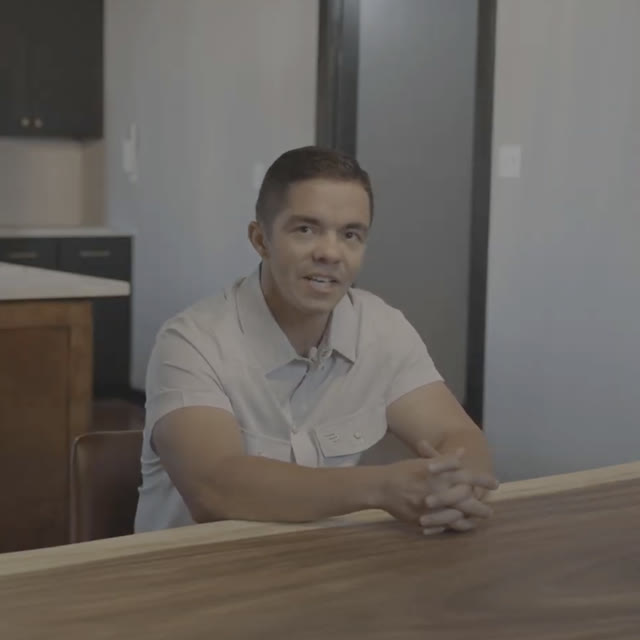
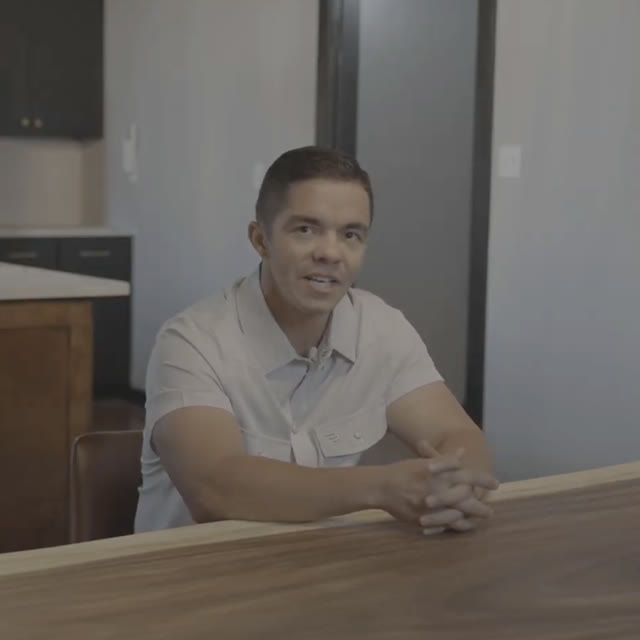
This is Navasota, Texas. This is where one of our many successful clients, Cody Sechelski, raised money to buy a profitable HVAC business. This is the first deal of a roll-up he now controls. I flew down after it closed. One table, no scripts. The whole story of how it actually got done. We've been working together for quite some time, you and I, Raises.com and my associates. So I think let's just tell the audience about, you know, maybe you can just introduce yourself, tell them where you're coming from, the line of business you're in, and get them acquainted.
Cody Sechelski
Yes. My name is Cody Sechelski. Pleasure to be here with you today and the team. And I'm excited about sharing all this. A lot of exciting things going on. And so I've been in the construction industry for about 10 plus years now, located here in the great state of Texas. A lot of activity, a lot of movement, a lot of development and construction and all of that going on. So it's just an amazing place to be. The economy's growing here, it's booming. And, you know, what I'm actively doing now is I'm in the M&A space. We're looking to roll up and acquire businesses, because with the amount of work and opportunity that's out there, you've got to have capital, you've got to have cash flow, you've got to have skilled and crafted people to do it. In order to do that, I mean, you've got to have a big, sizable enough company that has a reputation in the marketplace to be able to get these types of things done. So anyway, I've been in this space for years and now I'm excited about being in M&A and finding, you know, other entrepreneur partners and acquiring businesses and raising capital with you and your firm. It's been a pleasure working with you. Great experience. And so, yeah, in a nutshell, that's who we are and what we're looking to do. And we're looking for partners. We're looking for companies to buy. We're looking for firms to partner with and raise capital with. And we're not looking for transactions. We're looking for relationships.
Natu Myers
Exactly. I love it. I was just looking at my phone and I was looking at some people in our referral network and I was looking into October 2025, and I just saw Cody Sechelski booked a call. So I was so relieved when I saw that, oh hey, I'm actually on a plane to fly down to talk to him right now about how the deal got closed and everything. So back, I guess before we met, can you just tell the audience about, you know, just how did you find us, and then what were you looking to do at the time?
Cody Sechelski
Yeah, absolutely. So I found you and your firm on an interview just like this. You know, you were being interviewed with another coach, I think, at that time. I saw it, watched the content, liked the content, looked you up, found you. That's when I reached out to learn more about you and your services and how we could partner together, and got an immediate response. Had an initial interview with one of your colleagues, and then after that, jumped right in headfirst. I mean, had a good impression, a good feeling. It's one of those things that you never get a second chance at a first impression. So I got a good impression, and I'm one of those types of guys, you know the book Think and Grow Rich, right? They tell you decision. You've got to have an instinctive decision. And when you've got a vision of where you're going, and then you have an instinctive decision working as you're going down your journey, you know when you meet people and meet opportunities, and you know when to make them. So that's how I felt about working with you and your firm, and my instincts have proved correctly, because the process has been great. Of course we've had our challenges, but that's the journey of business, isn't it? It's very similar to sports, in the sense of winning some, losing some, but in the sense of you've got to find the right team. And so that's what our journey has been about: having meetings, meeting capital firms, meeting partners, meeting investors and so forth. And it's been a good one. I mean, it's been so good that we got a deal done. And at the name of the game, I think there's a statistic out there that says, I mean, 90% of companies that actually go on the market, and a portion of that 90% that get under LOI, only 10% of them actually close. That's a very low percentage. So think about it. We've done one deal. Now we're part of the 10% club. So I'm excited about expanding that. But now flip that over. Once you do one, then it's a ripple effect. Then doing the second deal, the percentages are like 50% and above. And once you do more than two deals, just like you have a success rate, then it's not even about if I'm going to do a deal, it's about finding the best deals. So I'm excited about working with you guys and doing deals. And I'm excited because we actually closed a deal, and I think that's something the audience really needs to hear.
Natu Myers
Yeah. Like we were conversating before, people can blow smoke. People can give you the, you know, I-wish card.
Cody Sechelski
But the name of the game at the end of the day, if you're not closing deals, what are you doing? I mean, you're wasting time, effort, and energy. And bro, we closed the deal. We did it. So we did it, now we're here because we want to close more deals, and we're looking for companies, we're looking for partners. And I mean, we're here. It's not about me, it's not about you, it's about us. So I'm excited about this.
Natu Myers
I am too. See, it was an emotional rollercoaster. Let's just be honest. It was an emotional rollercoaster at times. But we finally got it done. So what is one, because a lot of people are listening to this, what is one misconception that you had about successfully buying a business and raising money, that you had before you actually got it done successfully?
Cody Sechelski
Yeah. Well, a couple things. We're going to be transparent. Don't think small. You need to think bigger. Because it's easier to close bigger deals than it is smaller deals. It just is. So think bigger. Number two, if this is the journey that someone wants to go on, you've got to get clean financials, man. You've got to get clean financials. When I say clean financials: your P&L, your balance sheet, your aging reports, your customer concentration, your tax returns, all of it has to sing in harmony. It has to be in sync. I mean, all of them have to paint a clear story, you know? So that's one of the challenges that I came across. I mean, I had to get all that stuff worked out, which was something that put a little bit of a delay in the process. Then the next thing, you need to be able to find firms like Raises that can educate you on what investors, what lenders are actually looking for. You know, just because you have a good business don't mean that you have a sellable business.
Cody Sechelski
Right? Because if all the information to your business is in your head, what happens to you, or what happens for the investors or the finance people if something happens to you?
Natu Myers
Yeah, the key-man risk.
Cody Sechelski
Then there's no business. There's no business. So, you know, these are just things I learned through the process. This is a great journey to be on, but there are things that need to be learned and implemented and done in order for this to be successful. So, you know, to retract: think bigger, have clean financials, and understand that a sellable business has to be outside of just you. If you're the only thing in the business that makes the business run, you really don't have a business to sell. And I mean, of course you've got a good business, and I'm not making light of all the sweat, blood, and tears that you'd put in building a business that runs by you. But in order for you to get a really sellable and scalable business, you've got to start having systems and processes and leaders and team players on your team, so that if you want to step back, your business should be able to run without you. And I'm not saying that you can't close a deal that is not big, but there's a lot more work involved, and it's a lot harder to close deals where, you know, there's key-man risk there.
Natu Myers
By big, how big are we talking about?
Cody Sechelski
I would say minimum one million EBITDA. Minimum. You know, sweet spots that I've learned are five million and above. I mean, to be transparent. Because now there's enough meat on the bone, per se, for a margin of error. You know, because post-transaction, things always happen. Clients may leave. Employees may leave. I mean, you can have all this stuff documented, written down, but at the end of the day, you can't force somebody to be your employee, and you can't force a client to do business with you. So you always have to have a margin of error, per se, or a margin built in there, to where if post-closing 10 or 20% of that business goes away, or key players leave, or whatever the situation is, things happen, you've got enough meat on the bone to where you have room to adjust and get the company in a profitable situation outside of you just buying it. Now you've got to make it profitable, you owning it. So those are the things that I would just, you know, look for bigger companies, think bigger, and make sure, if you're trying to sell your business now, make sure that your business can operate and be profitable, make money, without just you.
Natu Myers
Yeah. I think, and I definitely want to give credit to my team members. Tre Brown was the, he was the employee that did the deal. He's amazing. He did the deal. And I was there maintaining the vision behind the scenes. But the thing is, when I saw you, so I was just kind of peeking in, seeing, managing everybody, making sure that the clients are taken care of and things like that. The only thing that I could sense, I didn't know if the deal would close. I didn't really, I didn't know you. I just saw Cody Sechelski had a call with us. And then the only reason I thought that the deal would actually close was how determined you are. Because there was another client back in, I think this was in December. She closed, and she was very similar to your energy level, in the sense of, she was very like, we need to close this, we're going to close this. She was speaking future-paced, right, in future tense, almost as if it already happened. And then there was a lot of determination and confidence, in the sense of, hey, whether or not we're the guys to help you do it, I'm going to do it. So that's the energy that I saw that contributed to that. So where does that energy come from? Where does that determination come from?
Cody Sechelski
That is a great point. And before I speak of myself, I would definitely say, no matter what size business you have, maybe you're that person that I was talking about, that your business doesn't run without you: if you've got confidence and determination, you can do anything. So I just want to say that to the audience. Don't be discouraged of where you're at. If your company is a smaller company and it does less than a million EBITDA, if you've got confidence, you can close deals. Period. You may have to do more work than the next guy that has a bigger business than you, and has more of a track record, or more capital than you, or more success than you. But if you've got confidence, everybody starts somewhere. You can close deals. With that being said, where I get my energy from is, you know, I started from the ground up, man. I mean, I literally started, and it wasn't long ago, when I say long ago, 12 years ago, sleeping on somebody's couch. And I just started where I was, and built, and had that confidence and determination. You know, I'm very spiritual. I'm a man of faith. And because of that, I'm in tune with myself. I love myself. I take care of myself.
Natu Myers
Yeah, I can tell. It's important, man.
Cody Sechelski
When you love and take care of yourself, then, I mean, there's nothing you can't do. All things are possible. So my determination comes from that. You know, I'm very involved in my ministry, organization, spiritual development, faith, personal development. I mean, I'm reading. I try to read two, three hours a day. Whatever you put in is what's going to come out. Junk in, junk out. Good stuff in, good stuff out. It's a law, and it works. So that's where my drive comes from. I just put good stuff in my mind and try to stay excited all the time. And when I feel like I'm kind of on a rollercoaster type deal, at those seasons of life, that's when I've found that maybe I need to step back, feed myself a little bit more. Because sometimes, you know, there's a difference between a sprinkle and a pour. Sometimes you need to pour on yourself. And that's how I think you grow and elevate and transform, is some seasons you need to spend more time on you.
Natu Myers
It's true. It's true. Because I could almost sense, because in talking to Tre, maybe once every week we'll have our end-of-week summary of all the clients. And then it was almost as if, Cody, really, the closing was almost inevitable for you. We almost had this sense of inevitability. So it's like, man, we have to almost catch up to make sure that we can do what we, because the belief kind of rubs off on us, even though, yeah, sure, we're the experts, sure, I get it. But the belief still rubs off on us. At least for me, that's what I noticed. And then it's like, okay, so let's make sure that we're actually able to fulfill what we think will happen. So that was kind of the energy. But then sometimes when we're working with people, it's more of us kind of trying to motivate them and drag them. Because obviously there's the soft skills of the energy levels, of how reciprocal they are, how nice they are to work with, which fortunately Cody was amazing to work with in that sense. But then unfortunately not everybody is at the same level. You know, some people have sound technical fundamentals. They have the financials. They have everything. They have the team, the financials, everything. But for whatever reason, they're not as confident about their own deal. And sometimes we can't want it more than they want it for themselves. So kudos to you, eh, in figuring that out. Yeah, kudos, because it really works out. So, rollercoaster. Speaking of rollercoaster, tell me about times where things were hard, you know, where we thought that, hey, it wasn't going to work. Because we did have sort of like a tournament between different sources of funding. We had a tournament of different deals, some of which we didn't pursue. So maybe walk the audience through things that almost happened but didn't quite, and how we persevered in the end.
Cody Sechelski
Yeah, so basically we had multiple funding sources that we went along with for a couple months. We kind of had multiple plates spinning, per se. And then through that process we kind of funneled them down to, I think this guy can really close the deal. And then that's when we got to the point where we're going to use this guy. But while those multiple plates were spinning, I mean, it was the rollercoaster in the sense of, that's the part where I was talking about: this firm wanted this for my financials, this firm wanted this from a capital structure, this firm, like, all of these firms had a different spin on what they were looking for to make an investment. So that's where the emotional rollercoaster came, because the moment you get this firm what they want, then this firm, they're like, well, they want this. And I'm like, well, I just did all this work that cost me time, effort, and money to get this firm. And then the other piece to that: you'd get this firm what they wanted, just for them to tell you no. It's crazy, right? You're like, couldn't you have told me no, like, two months ago? I mean, you know what I'm saying? It's crazy. And that happened, I'm just giving you a short synopsis, but that happened across multiple firms. And then, so finally we get to the one that was actually able to close the deal. Well, when this firm tells us, hey, we can close in three weeks, it actually takes two months. What people don't see behind the scenes is, not only are you and I, or me and your firm, trying to navigate the process with the firm, I'm also having to try to navigate the process of the seller. The seller, he's in the background waiting for his money. I mean, when are we going to close? When are we going to do this? And I'm constantly having to ask him for documentation and information. And a lot of times it's the same documentation in a different format. And he's like, bro, I just gave you that. I'm like, I got it. But they want it in this format. So it's neither here nor there. That's the process at all. It's not hard, per se, when you have persistence, but it does get, for lack of a better term, frustrating and challenging when you're having to shift all these different gears just to make things work, from all these different perspectives, and just the initial going back and forth. I mean, this is not a deal for someone who wants to be passive. You've got to be persistent. You've got to work on this every day. But this is the beauty. It's kind of like a snowball rolling downhill, right? At first, you're pushing it uphill. Once you get it downhill, it's just going to roll. So all the things that we're talking about were our uphill pushing. Now we're on the downhill side. And the ball is just going to get bigger.
Natu Myers
Yeah, it's amazing. Yeah, and the thing is, even now, like even when we were still working through that, you know, some people say XYZ and then we do XYZ, and it's like, oh, but it's like this and we can't do it, but it's like this. But then the thing is, the confidence that you had before we closed that first one is the same confidence. Imagine the amount of confidence we have now, now that the proof is in the pudding and the deal is closed. This is the type of confidence that people should always have. So some people, unfortunately, they wait until they close a deal, or maybe they never close a deal, for them to have this type of confidence. But regardless, we're going to be confident. And so regardless of, hey, you know, what are the lenders saying, as long as we focus on sound fundamentals, as you said, big deal, good financials, good systems in place, good confidence, then anything's possible here.
Cody Sechelski
That's right. Exactly.
Natu Myers
So you spoke about who it's not for. So working with a firm like us, who is this not for? Because it's not for everybody. Not everybody is ready to buy a business. And that's okay. But who do you think this type of service is for, and who is it not for?
Cody Sechelski
Yeah, so who it's not for are people that are looking for a quick fix. What I mean by quick fix: people that are thinking that you're going to get in this space and it's just going to happen overnight. That's not for you. I mean, because this stuff takes time. It takes a team. It takes trust. It's a process of finding good relationships, finding capital partners, finding good companies. And then outside of all that, you've got an accounting team, you've got a bookkeeping team, you've got a capital team, you've got a legal team, you've got bankers. I mean, like I told you, this is a team sport. You don't win a Super Bowl overnight. You have a season that you have to win before you can actually win the Super Bowl, right? So this is not for somebody that's looking for a quick fix. This takes time. But the beauty is, once you have built the dynasty, you can win big. So, you know, I don't want to discourage nobody, but at the same time, those are the truths, the facts, and the reality. And this is the spin on that: if you ever want to do anything successfully or big in life, it all takes time. It all takes effort. It takes energy. It takes effort and energy to have a job and live from paycheck to paycheck, right? So whatever you want to do in life, it takes time. So when I say all those things, I don't want to discourage nobody, but I want to be real with people. And this is also not for somebody that thinks building a business is the same as acquiring a business. That's a whole other ballgame. I mean, if you have a desire to build a business but not acquire a business, this may not be for you. You need to stay in your lane and just build your business, and hope and pray that your kids or somebody takes over the business when you pass on. Because that's another thing that, now, who this business is for, okay? This business is for anybody that understands life and generational wealth. Because let's just say you're that person that's building a business. What are you going to do when you get older, 70, 80 years old? Is that business going to die because you die? Right? Anything in life, from my perspective, that you're doing should be about legacy, what you're passing on to your children and your children's children. So if you don't have an exit plan for what you're building, you've basically wasted your life. Maybe you built a good business that gave you a good life, but what about your children, and your children's children? Everybody cares about their family, right? Well, you should, anyway. So that would be something that I would encourage and challenge people who may be interested in just building a business: you need to start thinking, even if you don't want to sell your business right now, you need to start thinking about an exit plan. What's the future of my business one year from now, five years from now, 10 years from now, 20 years from now? You need to have an exit plan. So who this is for is for people that are thinking about legacy, thinking about an exit plan, thinking about growing, thinking about transforming. And the beautiful thing about selling a business: you can roll over equity. Let's say you own 100% of your business, and you want to roll over, you know, 30% of your equity into an M&A roll-up. That means you can go find a partner such as myself, and you can keep 30% equity. I'm going to buy 70% equity in your business. I'm already an M&A roll-up. I'm going to roll your business up into a portfolio of businesses. Now you're going to have 30% equity in a portfolio business. We're going to convert that equity into shares in a portfolio. And now you have the opportunity to make more money on your second payday than you did on your first payday. So let me give you some numbers just to clarify everything. Let's say your business is worth $100 million, right? I'm going to pay you $70 million to get 70% of equity in your business. Now you're going to roll over $30 million of equity. We're going to get into a portfolio, convert that into shares. Now you have stock, shared ownership, in a portfolio of companies. Years down the road, two, three, four, five, whatever years down the road, we're going to sell this portfolio. We can keep equity even when we sell again, or we can completely sell out. And now, with your shares that you have in this company, you're going to get paid a second time. And in a lot of cases, or in most cases that I know of, you're going to make more money the second time than you did the first time. So once you understand how this industry and how this process works, it's really a no-brainer.
Natu Myers
Yeah, it really is. It's so obvious. It's brilliant. And because, again, for the audience, Cody actually did this. So it's not just theory. This is something that he actually did and is doing right now. So it's brilliant, because instead of just having one business in, let's say, Idaho or something, you can own them across the United States, across North America, across the world, or in different industries. For example, because I think you're even thinking beyond just HVAC, you're thinking different complementary industries as well.
Cody Sechelski
Absolutely. Yeah. One hundred percent. We are looking for businesses all over the nation that have anything to do with construction service. When I say service, I'm talking anything from, anything outside of construction as well. Service companies in regards to, when you look at a building, what type of service does it need? Window cleaning, janitorial, re-roof, maintenance. I mean, it's service. Anything that you can think of that needs to be done in construction that has to do with service. I mean, the sky's the limit. Vendors: where do you buy the supplies from? I mean, supply companies, distribution, manufacturing. I mean, look at this building right here. Just think about it. The way that I was introduced to M&A: go down your P&L. Who are all the people you do business with? Your accounting firm.
Natu Myers
Yeah, your accounting firm. Lawyer.
Cody Sechelski
Lawyer. You know, even the cleaner, even the cleaner for the office, because I don't have time to clean, the maintenance. Like, everybody that you pay money to, that you do business with, they're a potential customer. They're a potential partner.
Natu Myers
Nice way of looking at it.
Cody Sechelski
So that's what I learned. I'm like, wow, this just opens up your mind to the possibilities. I mean, it's this type of abundance that keeps people in a, if you want a peaceful and joyful life, start thinking this way. And even when you have challenges, this is what gets me through the challenges, because there's so much opportunity.
Natu Myers
See, I think it's what you focus on, too. Because some people just focus on a negative, and then other people think very linearly. They're like, okay, I have an HVAC business. I'm going to only buy HVAC businesses, and I'm only going to get lending from HVAC lenders. That's okay. But if you want to get to like an A+, you have to start, you know, you have to think the way that you mentioned. And even me, like, I never thought about looking at a P&L from that perspective, right?
Cody Sechelski
I mean, think about it. Even the big companies that are out there, what did a rocket have to do with AI? They did that merger. But when your mind is open, now you're like, well, that has everything to do with it. Now you're basically sending a computer to space. They want to build data centers on the moon, for example. You know what I'm saying? Like, you drove over here in a Tesla. A Tesla is a computer on wheels. I mean, so when you start thinking in certain ways, and focusing, and having a particular mindset of your worldview, it's almost like the world of opportunity is like, man, I never thought about that. I never looked at it that way. And it's just a healthy, good, exciting, adventurous way to live.
Natu Myers
It's true. It's true. What would you say, so somebody who wants to start buying businesses, and maybe they're hesitating to get into it, what do you say to give them kind of that kicker, to be like, okay, yeah, it's time for you to start buying businesses and start thinking that way? You know, people that are kind of stuck in the linear way of thinking.
Cody Sechelski
Well, number one, I'll be a little biased, and then I'll point people: they need to partner with us. We already know what we're doing. We did it. We already did it. Are we the only people out there that know? Absolutely not. But you need to find partners such as ourselves, or partners out in the world like that, that do what we do, to help coach you along. Can you do it without us, or without a relationship? Yes. Is it going to take more time? Yes. Are you going to make more mistakes? Yes. Definitely. I mean, so you kind of just got to spin the plates of that. And that's why I chose to work with you guys. I'm like, could I have went out and done all this without you? Oh, absolutely. Would it be hard, taking me more time? Yes. Would I have made more mistakes? Yes. Because at the same time I'm working with you guys to raise capital and find connections, I'm also building my business. So, you know, you've got to sit down and think, okay, this is the time that I have. What is the best use of my time? So that's what I would encourage somebody: when you can find partnerships, it accelerates your speed to close deals. When you connect yourself to deal closers, you become a deal closer.
Natu Myers
It's true. It's true. You become what you associate with.
Cody Sechelski
That's right. I mean, I connected with you guys. How many deals have y'all done before me?
Natu Myers
Dozens. Dozens.
Cody Sechelski
Now, what happened to me when I connected myself to y'all?
Natu Myers
So you closed one in seven months, whatever.
Cody Sechelski
That's how it works, man. So, you know, that would be my encouragement: find people that are actually getting stuff done. And then on the side, too, it goes back to that personal development. I mean, you know how many books I've read about M&A, closing deals? You know how many podcasts? I met your firm through a podcast just like this. Literally. Why? Because I had a desire to do M&A. So I'm like, I'm on YouTube, YouTube University. I'm on YouTube finding out, how can I close deals? And this guy here smiled. And that was an old one, too. That was like five years ago, too. I mean, you know what I'm saying? It's just how it works, man. You connect yourself to deal closers, you'll close deals.
Natu Myers
It's true. What do you think about the actual acquirer? Must they be a business owner? Because you're a business owner, and many people watching are business owners, as we're saying. But do you think that they can be, you know, even a nine-to-fiver, or must it be a business owner? Because to have that sort of determination, it's not easy to buy a business. So do you think it matters whether they're a nine-to-fiver or a business owner?
Cody Sechelski
Yeah, I'll answer this in a couple of different ways. Generally speaking, they are business owners. Okay. Is it just for business owners? No. It's for anybody that has a desire and is willing to go the extra mile to do this. But I will say that as a business owner, there's more skill sets that you have. You've probably got more of a mentality that's going to be more adaptable for this type of journey. But for somebody that doesn't own a business, maybe they're an employee, or maybe they're high up for a big company, and whether they're a CEO or a department manager, or sales manager, whatever, this is for anybody and everybody. As long as you will educate yourself, surround yourself with the right people, and you have a desire to do whatever it takes to get deals done, this is for you. And I want to say to the audience, out of everything we're saying, we're just putting this out there on the table, but this is an industry that you can get deals done in, and there are opportunities out there in every industry that you can think of.
Natu Myers
It's true. I love the idea of, you know, I was talking to my mom about this, because she deals with a lot of data and AI, but I like the idea of taking almost like blue collar, and then sprinkling a little bit of white collar on it. That's where the money is, right? Because there's a lot of services businesses that are making a lot of money, but they don't think about M&A or tech or anything. And there are a lot of tech businesses that, literally, it's almost fly-by-night, because they don't make as much as some blue collar businesses or some service businesses. So I think there's a lot of opportunity in the services businesses that people are underhyping.
Cody Sechelski
Yeah, 100%. And that's a great point. Tech and any type of service business, I mean, I don't know of a business on the planet that's not going to be affected by AI. Not one. I mean, every industry on the planet. It's just like the computer. Back in the 80s, who thought that everybody on the planet would have a computer or an iPhone, right? So AI is the same way. AI is going to impact every industry. And, you know, to piggyback on what you said, it's going to be amazing to see how, over the next, let's say, 10 years, all the industries that are just going to be consolidated and molded together. I mean, we're going to live in a completely different world two years from now. Everywhere, across the whole planet. It's going to be amazing to see. I mean, just like once the computer started getting used, it changed the internet. Changed everything. How we communicate, how we market, how we advertise. I mean, it's crazy.
Natu Myers
It is, man. It is. Like, especially the amount of opportunity and the displacements of labor. There's going to be new jobs being created. Old jobs are going to be axed. It's going to be a complete transformation. But looking at the future, though, Cody, so like, looking at, you have this huge opportunity in front of you, right? So now, okay, you have one, and then you're looking to do more. What's next? So I know that you're looking to acquire, but what's next? And what are you the most excited about in the next coming months and years? Now that you're consulting all these companies, and what's the strategy?
Cody Sechelski
Yeah. So I'll say two things. What am I most excited about? The new relationships. All the people I'm going to meet. I love meeting people, man. I love meeting you. I mean, I love meeting people. And when you're in this M&A space, when you're acquiring a business, what are you actually acquiring? Access to people. I mean, that's how businesses are built. You can have all the systems, all the processes, and you need to have those. But those things are still ran by people. So I am most excited about relationships, people, scaling, expansion, and just the journey of how it's all going to unfold. Because that's what I love. That's what turns me on. The strategy of how all this is going to happen: I wished I had just this big plan of how all this is going to unfold, and all of this. I don't. And I want to be transparent about it. I have a vision. You know, I see what I'm building here, my portfolio and acquisitions, I see it as this living organism that can go anywhere in the world and bring life. That's what I see. So, you know, maybe the starting point is construction. Maybe then construction leads to this, and this leads to this, and this leads to this. I mean, look at what they're fixing to start: flying cars over metropolitan cities. Literally. I mean, AI is basically, like I said, going to impact all these different industries. So I'm excited to see how it all unfolds. And I feel like the big-picture vision is just, I mean, innovation, people, and seeing myself as this useful vessel that can be sent anywhere in the world to make a difference and impact people's lives, and make wherever I go a better place and an exciting place.
Natu Myers
See, that's amazing. Because, I mean, obviously the profit and the money is one thing. But besides money, tell me about your why, the reason why you set out. Because after you reach a certain level, it becomes more than just money. For many people. Some people, but for others. So what's your why?
Cody Sechelski
Yeah. So for me, my why is, you know, I've had an adventurous life, per se. I've been down some paths that have led me down dead-end roads that I didn't like. And now I'm really in tune with my spirituality and my faith. So my why is, I want to transform people's lives. I want to get what I believe out into the world, to make the world a better place. And what I believe is, you know, I'm a man of faith. I'm a Christian. I believe that I was put on this planet to make a difference, to make the world a better place. And I want to be innovative. I want to create things. Like, you know, I have a creator inside of me. I mean, think about what life would be like if we weren't on this podcast right now. Would we be doing something else? Of course. People were doing things with their lives 2,000 years ago. But how exciting is it now? 2,000 years later, me and you are sitting here. You're from Canada. I'm from Texas. We would have never been connected without the creativity of this. It's crazy, right? That's what I want to be involved in. I want to be involved in things that change the world, make the world a better place, and impact people's lives. That's my why. My why is big, man. I want to create things, build things, and leave a legacy that impacts people's lives for the better.
Natu Myers
That's amazing. That's amazing. See, I mean, that's what's going to get you through, you know, through the next 10 acquisitions, the next 100 acquisitions, right? And I could definitely tell that you had, you weren't just, there was something more. It wasn't just a fly-by-night thing. I could tell that you were serious. And this is, having a why, that's what motivates me, too, you know, to come on these trips, to go through my stuff, and to start this company. It was more than just like, hey, let me make a few bucks. It was like, let's build something here that will last after we're gone, and then let's improve the world. Respect to you. I'm a man of faith, Christian, too. So, you know, but either way, to those watching, yeah, I think as long as we have a good why for what we're doing, then it can motivate us to build something, you know, of value here that gives instead of takes away. We're producers rather than consumers. So, I mean, so Cody, I mean, this is amazing. And so, is there any last thing you want to leave the audience with before we call it a day?
Cody Sechelski
The main thing, and I don't know if this is a good hook, good conclusion, but, you know, one of the first scriptures that I ever learned in my life: I can do all things through Christ who strengthens me.
Cody Sechelski
So what I would conclude, whether you're a person of faith or not, you're a human being. And if you are a human being, you have the potential to do whatever you want to do. So that's what I would conclude with: don't live a boring, mediocre, average life. You are set on this planet to have a divine purpose, to do something with your life that's going to make a difference, and it's supposed to be exciting. I see so many people that are, like, depressed, miserable, and living in pain from 20 years ago. Like, bro, get over it. Move on with your life. Like, you see this body? This is not a used car. You can't trade this one in and get a new one. Like, you've got one body, one life, one opportunity. Make the best of it and enjoy it. And if you're not enjoying it, change who you're hanging out with, change what you're learning, change your environment. Do something to get you excited about life again, and then figure out what you want to do once you're excited, and go after it, and know you can do it. Like the Nike check, right? You can do it, man. So that would be what I would tell everybody, man. Because it's exciting, man. There's too much opportunity. Like, sometimes I can't even sleep. Sometimes there's just too much opportunity, right? Like, last night I was awake till 1:30, 2 o'clock in the morning. I'm up this morning. I don't even need an alarm clock. There's too much to do. Literally, when I wake up, sometimes it's 5 hours, sometimes it's 7 hours, sometimes it's 8 hours. But, like, I don't even use an alarm clock, bro. The excitement of life keeps me up, gets me good rest. Like, people say they have sleep problems: get excited about life, you'll sleep great. Because, like my wife says, she's like, you have so much energy. But when I go to sleep, though, bro, you would have to literally, like, put a bomb outside of my house for me to wake up. Like, once I'm asleep, I'm asleep. I don't get woke up by stuff. You know, because I have good sleep. Like, I don't have problems sleeping. Because I remember, in times past, when I wasn't living right, I would, and this is just a side note, but, like, I would have restless nights. Bad dreams. You ever had that?
Natu Myers
Yeah, yeah, yeah.
Cody Sechelski
But when you get excited and on a journey that you're passionate about, do you sleep good now?
Natu Myers
I sleep way better. Like, my sleep, I have my Fitbit out. It tracks all my sleep. It's like 8 out of 10, 9 out of 10, 10 out of 10.
Cody Sechelski
That's what I'm talking about. Like, it's amazing how, once you get on that, everything just aligns, you know? I mean, just this past week, I spent a whole week at a ministry convention with my family. I mean, it's priceless, bro.
Natu Myers
And I definitely do think, like, it's also about worrying about today, because tomorrow has enough issues of its own. Because there's literally so much to do in one given day. Like, you have me, we have our things. Like, I'm behind on a few things. So there's so much to do in a given day that we shouldn't even take our energy and put it into something that's like a suck on our energy. Because there's too much to actually be doing, with our one life. So it's like a disservice to those around us for us to waste our time on something that's going to take away rather than give us motivation, energy.
Cody Sechelski
Yep. 100%. Yep. So, last thing to conclude with is, man, if you're looking to be a part of this space and get involved in here, I mean, both of our information will be below. Contact us. We would love to partner with you, whether you're looking to do investments, sell your business, or you just want to learn about the space. I mean, even if you need some type of education that we may not provide, we can direct you. Point you in the right direction. We're here to help and serve. I mean, if you choose to do business with us, great. But even if we can point you in the right direction, we're here. So our information will be below, and we look forward to connecting with you.
Natu Myers
Exactly. Cody, it's been amazing meeting you, man. Cheers.