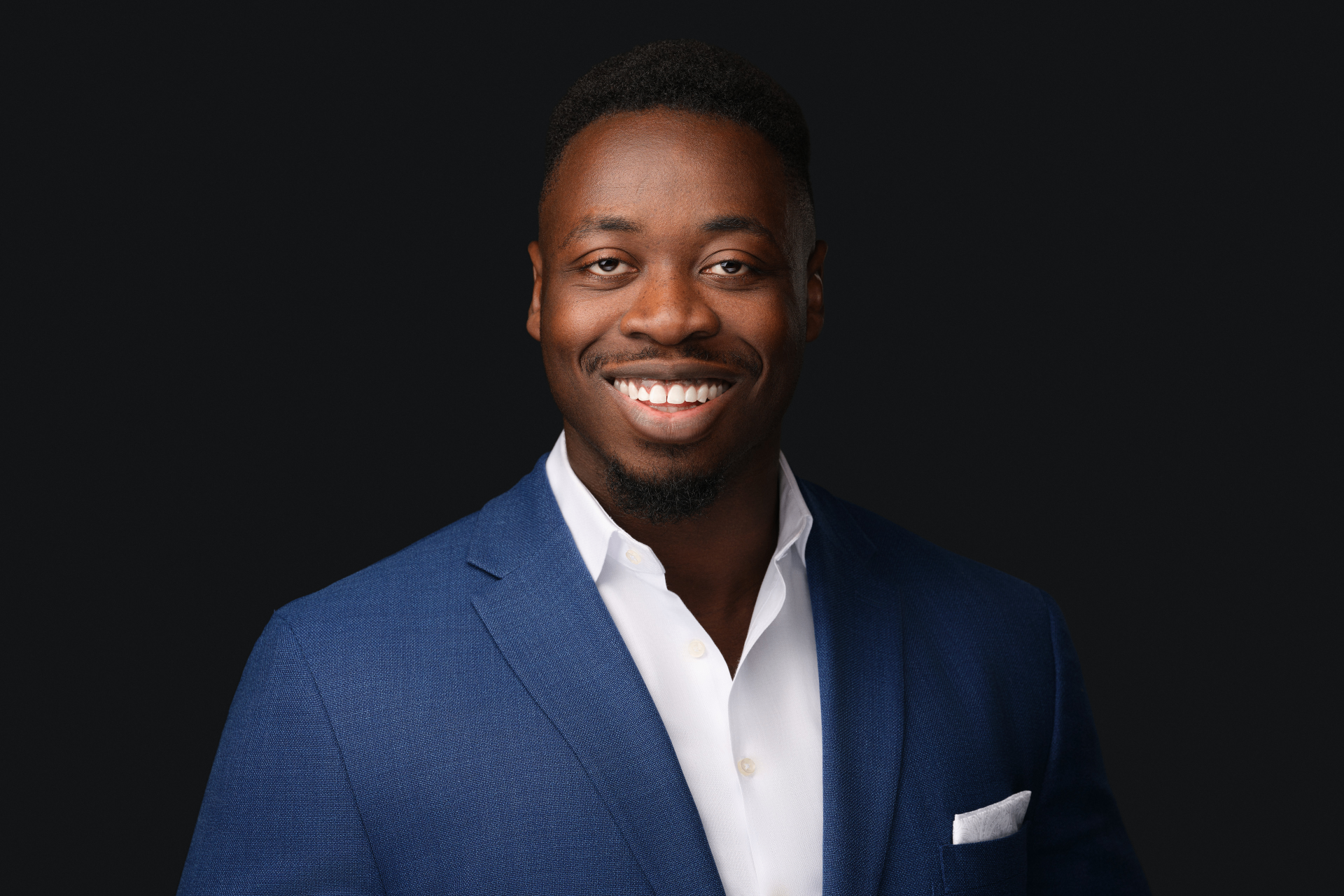
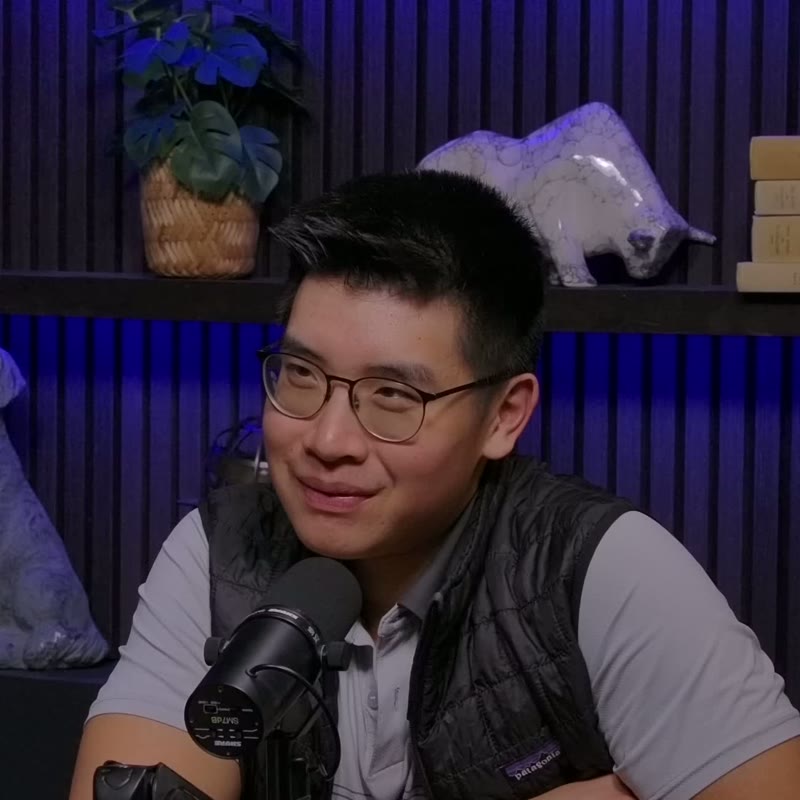
Natu Myers
All right, everybody, this is Natu Myers back, and we have a special guest today. I've been really looking forward to this one. So I'm with Jason Lum. He bought his first multifamily property at 21 years old, and one year after, he went into investment banking, and a few years after, he became an entrepreneur. So Jason, nice to have you here, man.
Jason Lum
My pleasure. Thanks for the opportunity, Natu.
Natu Myers
Yeah, hey, it's nice to catch up. So because we're just talking offline, and I said, instead of just catching up generically, like, might as well just, like, catch up this way as well, you know, tell the audience. So, I mean, you've been really into real estate, and you have some big plans. What do you have going on?
Jason Lum
Yeah, so taking a few steps back, you know, JV done on property 2021, went pretty smoothly. I'm going to circle back on that deal eventually because it's two main units, but the basement is not fully utilized right now. So the idea would be to put an SDU and turn that into a triplex. That's a certain deal. But, you know, when I was growing up with three older sisters, the only thing I could really do as the youngest boy was play sports, build Lego, and look at construction, right? I love seeing construction, love seeing cranes. And from a very young age, I really love the tangibility aspect. Like, now I run my own business, but it's all online. Real estate is tangible, it adds value, and it's something very important to society. So I thought I was going to become a civil engineer, you know, loved math, love science. My mom was like, hey, Jason, I think you should take an accounting class in high school. And then numbers really stuck with me and actually went down the business road.
Jason Lum
And then thought I was going to become a big four accountant. Turns out I wanted to do more finance. So I always knew I wanted to do real estate, but then I really am now pursuing it from a more business and entrepreneurial angle, right? I worked in investment banking at a bulge bracket in Toronto and capital markets in M&A. Did quite a few real estate files there. I've worked in private equity real estate at large firms that have 20, maybe now 30 billion in assets, whether that's industrial, multifamily, development, all across the world, and some smaller firms as well. But now I'm really trying to do it entrepreneurially, whether that's these deals directly, having a few partners. But the main vision is to really scale this into a real estate private equity firm or development arm where I have high net worth investors, I have family offices, or even institutions.
Jason Lum
Long term. And I want to start now in 26. This is my 20, 30 year plan, so to speak.
Natu Myers
I love it. I guess in a way, I mean, how have those, I mean, you don't have to get into the specifics if it's confidential, but how is it track record? Because, you know, one thing that's very important for investors is to see that you have an established track record, at least, you know, if it's not, you know, in the same asset class, you know, in any way, right? Like when it comes to the existing JVs that are going on. Of course, they don't want to, you know, how are they going to trust a 26 year old who only has a bit of real estate or, you know, I know you're coming on.
Jason Lum
I think there's a few angles, right? A, I want to start young because if I were to do this in my 30s in the same position, it's much harder. I think a lot of people want to, especially the more experienced guys, actually, and I know quite a few of them, this is something different, right? It's like, wow, Jason's so young. He's ambitious. He has that, you know, drive or he has that dog in him, right? Which I can show now as opposed to five years from now. Secondly, whether or not I've done the largest deals myself, well, from a corporate transactions angle, like I mentioned, I've worked for large investment banks, large developers. I've done this on their dime when I get paid by them. So, you know, CIBC Capital Markets, I was working on billion dollar deals and M&A transactions, right? As an investment banker. Or at the other real estate firm, which is a publicly traded REIT, actually, I was doing underwriting, analysis, market research, interviews for large scale projects.
Jason Lum
Thousands of units.
Natu Myers
Can you say the name? That was a really reputable firm.
Jason Lum
Yeah, it's called Dream.
Natu Myers
Okay, Dream. Wasn't there another one too? There was a...
Jason Lum
Small, that's the bigger one. The small one's in Ottawa, actually, called Colonnade BridgePort. They're probably the biggest in Ottawa. One of the biggest, development, asset management, et cetera. So, first angle is from a corporate perspective. Not many people can say they've worked in investment bank, they've worked in private equity, or they have that kind of track record. And a lot of people who do, funny enough, will just sort of, whether it's golden handcuffs, stable career, will just rise the ranks. They will become a VP of acquisitions, head of investments, which is perfectly fine. But for me, if I'm working 80, 100 hours a week, which I do, I'd rather have it on my own terms, my own vision, and be able to build generational wealth here.
Natu Myers
That's amazing.
Jason Lum
That's the first angle. Second angle is, well, I've done some stuff entrepreneurially. I run my own company from the consulting space. We can talk about that more. And I've also, my family also does come from somewhat of a real estate background. So, from a young age, I've been managing three to four properties with my parents. We then did that JV in 2021, and then now I'm really actively starting to now deploy my own capital that I've been able to get through business and different things, and partner with a few select individuals where I can now do these larger deals as well.
Natu Myers
That's amazing.
Jason Lum
And that's really then the lever or turning point where I'm not just investing my own capital, I'm doing it alongside other people. I'm building that track record even more, and combining the entrepreneurial aspect with my corporate background where I feel this could really go to the moon.
Natu Myers
That's huge. And some investors obviously do want to go to the moon. And how do you, I mean, considering that now, I mean, interest rates are rising, and, you know, given the, I guess, let's just say geopolitical climate, are you targeting, you know, this is for Canadian investors, Ontario investors, and how do you prevent them from taking unnecessary risk, and how do you reverse any potential risk with these investments?
Jason Lum
For sure. You have to evaluate the downside, because I'm putting my own skin in the game, I know investors are putting their skin in the game, and especially when you're building the track record, the worst thing you want to do is blow it all in your first deal. So, firstly, it depends on the asset class. We're not looking, although some of my partners are eager to do it, including myself, I'm not looking to do some development deal or some massive deal that requires building or reconstruction. We're more so trying to do a acquisition of a current property in a good era, you know, maybe it's not the best building, but on the best street where we can add value, whether that's increasing rents from market rents, if they're under market, or value added within the interior, or like at that other property, putting in a third unit in the basement. Things where you could theoretically have very limited risk if it was to go wrong. But asymmetric risk, as in the upside, is obvious and higher than the downside, or higher than what you'd put into it. So, it needs to have meat on the bone, right? One of the deals I'm looking at, underwriting it conservatively, we're projecting for around a 26% IRR over seven years. And that's not even, and I could then bake in a refi if I wanted, and then that amount's even higher.
Natu Myers
And where is this? Where are the deals?
Jason Lum
These are in Ottawa.
Natu Myers
Ottawa. Okay, Ottawa, Canada.
Jason Lum
Certain markets that are nice.
Natu Myers
Yep. Excellent.
Jason Lum
But I'm also considering Calgary or Alberta. My wife's husband's family, they're all doctors. They do some deal limit up there. I know it's more of a cash flow market. Obviously, the US is its own beast, but...
Natu Myers
Wait, you're married? Your wife?
Jason Lum
My sister's. Oh, my sister's wife. Not married yet. Maybe in a year. I need to do some real estate first.
Natu Myers
Yeah, good. You have your priorities straight. So, you know, that's awesome. It's awesome. I mean, it's not every day you see somebody that, you know, they, from a young age, they not only get into real estate themselves, they, you know, they work through the ranks of, you know, underwriting at a corporate, and then, you know, they go into business, and then they want to create their own vehicle and launch their own vehicle to buy multifamily buildings. Can you tell us more about, like, the ideal type of investor? Because some are looking for yield, some are looking to hedge against inflation, you know, some are looking for appreciation. What are you, who's your ideal, I guess, ICP for a potential partner or investor?
Jason Lum
Good question. I think it starts with who's the operator, right? Who's the GP? Because they're part of the deal, especially if they're investing in capital, the style needs their line. And right, like, if you look at a CEO, or if you look at any other company, it sort of follows the same thing. So for instance, I myself, just knowing that this Ottawa, knowing that I'm young, I couldn't care less about the cash on cash return. Like, yes, I do not want to be bleeding every month. But if it's slightly positive or break even, I'm really looking more so at the net worth and not just the appreciation. Step A would be the forced appreciation. What can you add value? What can you eventually refi? Secondly, the natural appreciation, being very conservative, buying in good areas, buying at a discount, you make money on your buy. The deal I'm looking at, theoretically, given where it's at, close to universities, close to the canal, in a very nice pocket, based on comps, based on other, you know, the pricing area. I believe it's probably 1.2, 1.3. It's been on the market for a while. It's been listed at one. The price is now at 940. Motivated sellers, they haven't sold. I think we could get it for 900, if not even lower. So I want to see something where intrinsically the value is there. I'm buying a discount. There's ways to add value. It's going to keep appreciating cash flow share on top. But it's really the debt pay down, forced appreciation, natural appreciation that's driving the IRR, and that drives my investment strategy. If we're looking at the U.S. Calgary, then it's a little bit different, but more cash flow. Who I'm looking at from an entrepreneurial perspective or investor, well, I think it really depends. Given my family and some of my relatives, doctors, lawyers, dentists, your high income professional, even investment bankers, right, who I really work with, that's an easy one. They're busy. They have steady income. They don't know where to put it, right? And they also don't need cash flow. They're already making 500K a year. They want appreciation. That's step A. Second one would be even people like yourself, Natu. We know a lot of consultants, online entrepreneurs. They're young, hungry, very lean businesses. Where do they put their capital? Once again, very high cash flow businesses. Why would they look at that?
Natu Myers
They want to expand their wealth.
Jason Lum
Exactly. Right? And they can relate to me because I'm an entrepreneur. I'm in the online space as well. Right? Say a third bucket, this is more of a unique angle, but I'm very into tennis, probably wouldn't get into golf. But even those older folks who, let's say, are maybe retired or just don't really know what to do with their money or time, they're like me, you know, maybe we play tennis together, whatever it is, you can build relationships there. Longer term, then it's, you know, family offices and high net worth who have their own mandates or what they're looking for. But I would say those are some logical places to start.
Natu Myers
I totally agree. And I do have a question because you mentioned Ottawa, then you mentioned Calgary and potentially US. Do you get concerned about the split between, I guess, how politics can affect your potential underwriting? Because, I mean, you know, Ottawa is a government town and a lot of people have stable government income. But a lot of people in, I guess, in the states, you would call them blue states. And in Canada, you call them, I guess, just liberal areas. You know, the whole issue with when somebody doesn't pay their rent, it's basically impossible to kick them out. So whereas if you look at Calgary or you look at the red states down south, it's quite the opposite. It's pro-landlord, landlord-friendly. So is that really, like, something to consider or how do you navigate that?
Jason Lum
To be honest, I don't follow the news or politics that much. So I'm not going to go into this that much. US is its own beast. Generally, I'm okay with it. Within Canada, I mean, Ontario, especially Ottawa, it's not, compared to, let's say, Calgary, Alberta, it's not the most landlord-friendly market. Why do I know this? Well, like I mentioned, I've done, I've helped my parents with this. I understand it's hard to kick someone out. My dad almost purposely does not raise certain rents or jacks up the rent when it's new because he's scared that he doesn't want to get some random tenant who might ruin the place. He just wants to get rented to a good person. I disagree to an extent. I think you could find a good person who's still willing to pay, you know, what it should be worth. Regardless, though, yes, it is very hard to kick someone out. It is hard to enforce that someone would actually pay the rent. So you have to very be careful in terms of who, your tenant profile and vetting process. Because of him, I'm now very, very strict. I'm not as strict on the price because I know it's a strong tenant market and people are going to rent regardless. But, and I'm also buying in areas where professionals and people would want to live in, right? Maybe they can't afford that error or they just want the flexibility of not owning something just yet, right? Maybe they're not married, whatever it is. But buying in the right markets that attracts the tenant, right? And then secondly, just doing the proper screening. So at the end of the day, I mean, yeah, it's just part of the process. The other thing, I've talked to this before is whether it's development or whether it's just buying. As long as you know what you're doing, it actually scares some of those people away who would invest in the market otherwise, who just don't know how to navigate those sort of red tape. And because of that, maybe they're flocking to Calgary or they're flocking to easier markets where, I mean, Calgary has seen a huge rise in price. It's seen a huge building supply. And now look at it, right? It's a bit of a glut. There's tons of supply coming in the markets. Prices are dropping a bit, right? That's sort of what happens where, yeah, it's easier to do business or it's easier to build. But then Calgary or Edmonton would not appreciate at all or very less compared to the Ontario markets.
Natu Myers
That's a good point.
Jason Lum
So I'm not afraid from it. If anything, it can shelter competition. It can help you be able to stay in this business long term as long as you do it correctly. And I obviously would.
Natu Myers
That's a very good point. So I look at investors that come in different shapes and sizes, different mandates. I was talking to an associate on the phone with you before the call. And he asked me about the LPs. On Raises.com side, we know a lot of, we had a lot of success with co-GP investors, for example. So if you were to go and continue your business and then you find a building to acquire, we do know some co-GPs that would potentially invest, you know, particularly stateside, but, you know, there are a few in Canada. Yet, and then there's some people that would invest as LPs, but they're more far and few in between. You know, it's a bit more difficult in this climate for whatever reason. And then there's some people that just enter a, I guess, similar to co-GP, some sort of JV relationship, you know, more hands-on. What type of investor are you looking for in that regard? How much control? Are you going to, you know, make sure that you're selling LP shares or LP units rather? Or would you be open to somebody being a co-GP and invest in that way? What is your practice?
Jason Lum
So you're asking what type of investor am I looking for in potential structuring of deals?
Natu Myers
Yeah, active or passive?
Jason Lum
I mean, you could only, a bit of both, but I mean, you can only have so many active people, right? And then you got to vet them carefully. They're essentially business partners, right? They're part of the deal. For instance, for some of these deals, you know, I know you and I are both Christian. I have some buddies who I know through church, who I trust, they're actually my friends. You know, the fact that they're also, Christian just makes it a little bit easier in terms of the trust barrier, in terms of those components. But the people I select are very, very intentional, i.e. they not just have capital. They're also young and hungry. They want to do this long term. And they have some sort of skill set that they may not have or that complements what I do have. So I'm not as concerned from a GP or active perspective, or my focus is more so on who are the right LPs. And even then, like, I'm not just, just because someone has money, it doesn't mean they're the right fit or I'd want them to have, want them to be on board. I want them to also see the value in the building themselves. I want them to see how this can impact them, their family, their plans. I want them to be aligned from the start. But at a high level, whether they're young, high performing, whether they're older, whether they're through church, whether that's through family connections, high paying professionals, whatever it is. I'm definitely open to having that conversation. Really, the more people, they're just, you could either do bigger deals or larger or more deals each year. So, but I'm very selective on both sides, right? I want this to not be a headache or a burden on either side.
Jason Lum
From a GP perspective, especially even with my other guys, I really am, I guess, quote unquote, the lead GP or really running the deal. They're a bit more on the side. They're obviously just part of it. And then the LPs would be fully passive or as passive as they wish. And really more so just reaping the returns that way.
Natu Myers
Oh, got it. Got it. And I definitely do think that they come in different, you know, we talk about what an investor wants. We also talk about, you know, whether they're active or passive. Another dimension to look at is obviously, I guess, what they classify themselves at. Because, you know, at church, you mentioned church, there was a family office investor or somebody who knew a developer who was a family office investor, a multi-center millionaire. And, you know, but then the issue is that they're more of a family office and it took forever to build those relationships. You know, and there's some people that are private equity that they just invest whatever, like if you give them the right criteria, they will invest. Right. And then there are others that, you know, maybe they're doctors, lawyers, or professionals that just have passive income. So which one are you targeting? All of them or what's the best fit based on what you're looking for? Family offices, private equity, or, you know, accrediting.
Jason Lum
I think given my stage, I'm going to start with just more of the low-hanging fruit, right? Family offices. Yeah, you're right. It takes time to build a relationship. They can be painful to deal with. Private equity firms, you know, probably wouldn't bite just yet. So for me, it would probably be more so high-income professionals, whether they're doctors, dentists, lawyers, investment bankers, etc. I'm very familiar with that space. And I know people directly from my network or those people or close family members or friends also know more of those people. Secondly, yeah, it could be, let's say, business owners, older folks, whatever it is through church, let's say. The third angle really would be people like you or people we know of who are entrepreneurs, younger, also ambitious. Now they need to figure out where to put capital. They don't want to be fixing toilets. They don't know anything about real estate. They just want to get a return.
Jason Lum
So I would say those are the three main buckets. You could scale pretty well through that. Obviously, the check sizes would be a bit less, but the volume is there. Then eventually you can start, while I'm doing that and while I have those deals, I would, in the meanwhile, already start building those relationships with your institutional or family type office.
Natu Myers
What advice would you have for, I guess, starting from the individual? Because from one perspective, you've had a lot of success in getting into this business early. You were sort of an investor. You're an active investor, I guess you can say. Yeah. Perhaps, right? So what advice do you have for a new GP or somebody getting into real estate investing based on your experience?
Jason Lum
Assuming they're younger as well?
Natu Myers
They can be younger. They can be older.
Jason Lum
I'll touch on if they're younger because it relates to me the most. And if you're a 50-year-old only starting this, good luck. I think you can only go so far. You should have started when you're 20. In investing, how the heck did Warren Buffett become still one of the top 10 richest guys? It's because he started so young and he was able to do it consistently and he was able to outperform the market. But really, the main lever was his time. If you look at his wealth curve, the wealth out at a certain age has almost essentially gone parabolic because of the compounding effect. Similarly, for me, it's, yeah, I mean, sure, I got capital. Yeah, I have skin in the game, but my advantage is still that I'm young, right? So the more I can lever into that, whether that's the deals compounding for five to 10 more years or whether it's the ability to just get that start sooner and build the track record so that I can then get into the PE or family office space when I'm, let's say, late 20s, early 30s. All these things then compound where it makes the process, it's hard at the start like anything, but then you have leverage throughout the process. So, you know, I'm driven, I'm ambitious, anyone can say that, but I really back it up through my actions. You know, I've pretty much almost ticked most of the boxes at this stage that I've really wanted to achieve business wise, entrepreneurial wise, investment wise. The next thing is really now just parking capital in some deals, building that out, and you have to start somewhere, right? If you're young, if you're out there, it doesn't even have to be your money. It obviously helps, but if you put yourself out there, if you meet the right person, you know, that's where opportunity strikes. So if you're out there, you want to start, start young, right? At least start taking steps and show people that you're serious. Tell yourself that you're committed to the actions you take, right? Start learning about the market, start understanding what strategies are out there, start seeing how other people did this when they were in their 20s or 30s, and then take those next steps towards that. You don't have to figure out everything at the, all at once, right? And that's what I did. I, frankly, you know, I still feel behind. I wish I did this stuff when I was 23, 24. Looking back, though, thank God, because, you know, you'd sort of be buying at the peak. But opportunity strikes, like I mentioned, when you have your ducks in the row and you're ready to pull the trigger, and I think this is the year.
Natu Myers
Exactly, because if you have dry powder available, for those who don't know, dry powder is just capital available, and then you see a good deal, you know, and you waste the time, and you don't do it until you're older, you lose out on a lot of opportunity. So, yeah, I agree with, like, yeah, listen to what Jason's saying here about, like, starting when you're early, because he's an example of a successful investor who's doing it. So, that's exactly what I'm agreeing with. So, I definitely do think that when it comes to finding investors, what about the deal structure? So, are you doing a GPLP structure? What structure would you consider for-
Jason Lum
For some of these initial deals where it's, like, me and a buddy or two buddies, I mean, we're just keeping it very simple.
Jason Lum
Right? It's, it's, I did have to put a lot of thought and research into it. I think for the, for this next one, I'll still just own it personally. Eventually, I'll then set up a hold co, where I can just shift the corporate funds from my active business, tax-free, into a holding company. I then set up a management corporation where it's able to reduce the tax liability a little bit. There's also a thing, I forget what it's called exactly, but almost like an active, I want to say it's a real estate operating company, something like that, where I think you have six people involved, so to speak, and now you're paying a lot less on any rental income, etc. So, I want it where I'm an active business, it's cash flowing, it makes me money, I'm shifting that tax-free to an investment vehicle legally, where then that real estate is getting taxed very, very low. Right? You can include depreciation, you know, tax rates, whatever it is. But for now, I'm pretty much keeping it simple. Tenants in common with a few people, I'll then have some sort of, you know, that 220 type model through some legal structure with that other guy who really is more of the capital partner. And then for any other future deals, if it really is, yeah, just more of that GPLP structure, more so still that 220%, let's say, where the deal still makes sense on everyone's terms, including the investor, and they're really just putting the money, we're finding the deal, acquiring the deal, all the paperwork, all the management. That's how this world works in the PE space.
Natu Myers
That's awesome, yeah. Like, the moment you go from using your own money to using another investor's money, I mean, obviously, there are a lot of, like, serious expectations, and a lot of, it's not something to take lightly. So, when did you get the confidence that you'll be able to handle investors' money with integrity?
Jason Lum
Starts with yourself. I mean, 26, have very, very little personal, I mean, sure, you could say I'm fortunate to an extent, but anyway, I live at home still, I don't even have a car, don't go out, pretty frugal, pretty humble, whatever you say.
Natu Myers
You must save a lot of money.
Jason Lum
Yeah, I'm probably 90%, 95, my biggest expense is tithing to the church, and I don't mind, I'd rather that be the biggest one, right? So, 10% there, and then, I don't know, like 5%, honestly. So, I'm probably at 85%, to be honest. So, sorry, what was the question exactly?
Natu Myers
Oh, yeah, well, I mean, when did you get the confidence?
Jason Lum
Oh, okay, so I got the confidence where, you know, the whole idea of stewardship, where, and if I was to invest in someone else, I'd want the same thing, where I feel in control of what I'm doing. I'm in a position where I have buffer room, I have contingencies, I'm not putting all my eggs in one basket, I still have leftover stuff, right? So, like I mentioned, amassing my own retained earnings, which is now pretty sizable for my corp, also having personal funds that we can tap into, having steady cash flow from the business, and the knowing that if things go wrong, I could still have very little personal expense and still have a huge runway. That's where, personally, I'm okay with investing my own money because I know, once again, it's asymmetric, very little bit of a downside. Or even because of financials aside, because I'm 26, I could recover in two, three years. I don't have a wife yet, I don't have kids, I don't have my own mortgage, right? And this is the freedom that I really wanted, right? I want to be able to have location freedom, time freedom, financial freedom, not because I really care about it, but more so, so I can do really what I want to do long term, which is still work and build and, you know, give back, etc. But it really starts with me, it feels like I really have things dialed in, I like where I'm progressing, I always feel behind, I always feel in turn like I could be doing more, but from an external perspective, you know, people are always complimenting. And then from there, you know, like I mentioned, I have certain connections, I have certain relationships where I can then find people who really compliment what I'm doing and can see my vision, who want to be part of it. And then from there, it's a pretty easy no-brainer, I would say. So, it really starts with you building your own internal confidence to the point where I don't really have to talk about this stuff, I don't need to be flashy, like people can just tell, people are drawn to it. And they naturally want to be part of it. And then I have the corporate background, I have the technical expertise, I can speak the language, I have the other relationships, lawyers, accountants, mortgage brokers, etc. Where a deal can just naturally come together.
Natu Myers
Yeah, and man, I totally understand what you're talking about, because there's some investors and even GPs, the moments you use vocabulary that is like, oh, I need money. You know, then they just like, their brain just shuts off. But then when you say, oh, I'm looking for, yeah, here's the capital stack, you know, I have some mezzanine here, you know, here's some senior debt, you know, and then we're looking for a pref equity tranche at this much. When you speak their language, then they respect you. And so clearly, you're speaking the language of real investors, because you're in the business.
Jason Lum
I think that's step A. The second one is like, I don't know exactly who you do, but if personally, and anyone out there watching, I mean, just be very careful if they're not putting their money where their mouth is. I mean, they don't have to invest personally, sure. But when you look at a stock, when you look at any real company, you want the founder, you want the person behind it to have some skin in the game, right? That's what, you know, that's why the management team is so important, right? If the founder, if the person running it's convicted, or if they're saying it's a 25, 30% RRR, whatever, wouldn't they want to be part of that, right? So I would always, you know, like I mentioned, I'm running the deals, I'm not really looking to be part of other people's deals. Although, unless this is a fantastic deal, I mean, sure, contact me, I'm happy to look at it, render it, and have the money to do it. But more so what I'm saying is, I'm going to be part of the deal, I'm going to invest in myself, it's maybe more so, I just want to do a bigger deal, or I want to do more deals that I couldn't just do on my own. And that's where, okay, well, it's no longer you're just desperate, you're more so ambitious, you just need to involve other people. You're trying to go further than you can on your own. Like any business owner, if you're a solo entrepreneur, you're just one guy, I mean, you probably don't have the biggest business.
Natu Myers
Yeah, it's true, no, it's totally true, you have to always, either you have like a small part of a watermelon, or 100% of a grape.
Jason Lum
Of course, and I want the watermelon every time, even if it's one quarter or one eighth.
Natu Myers
Exactly, exactly, that's just how you grow, I totally agree, totally agree. So, yeah, so when it comes to, you know, your real estate goals, you know, just so that, you know, respect your time on this topic, for some rapid fire questions, what is one thing that you would teach your old self from five years ago about investing in real estate?
Jason Lum
So what would I know five years ago? That's a good question.
Natu Myers
Knowing all you know now.
Jason Lum
I think, to be honest, I think I figured out quite a few of the things. I think one, it could be for people who are sort of my shoes who may not have figured out more of this stuff. But I think for me personally, some of the things would be, especially if you're starting young, like still be patient, right? You know, like if I were to do a deal or if I already put the capital in, let's say two, three years ago, let's say 2022, 2023, where looking back, it really was sort of the peak. Well, I might be, you know, maybe the deal is not as good as I thought or I'm not getting the best prices or, you know what I mean? Whereas now, okay, since things have pulled back, since now the market's more uncertain, quote unquote, that's really where the opportunity lies. So, you know, sure, I wanted to do this up 22, 23, but looking back, you know, maybe it's glad that I focus on other things, whether it's the business or other angles where I'm now in a better position to invest and take grounds when it's more appropriate or when it's more attractive. And the other thing is, even if it takes a bit longer or is a bit harder or costs more, which by the way, it always does, you're still so young where even if it takes an extra year, so be it, you're 26, you're 27, 28, who cares? There's no difference, right? And you only learn from those mistakes or you learn from other people. I think the second thing is, well, it's interesting now. I mean, now you've got AI, now you could almost learn whatever you want, but the importance of either having a mentor or someone who could guide you, whether it's informally or formally, but I would say just having the right team and the right structure, right? You can't really do this alone. I've carefully vetted who my agent is. I carefully vetted who my lawyer is. Anyone on my team, essentially, I want them to know what I'm experiencing because they're investors themselves. They own their own units. They do deals personally. I think the lawyer I have has probably 20, 30 properties himself. My agent is probably a bit less.
Jason Lum
But these guys practice what they preach. They know this stuff firsthand, and they can also see where I'm coming from. So being patient, having the right team, I think the third angle would be, especially if you're young. I had some money when I was younger just from my investment banking job, and those salaries are $150, $200, so I saved most of that. But I'd say the third angle is, especially in the investment space, yeah, starting young helps, but having capital helps a lot as well. So focus on having a cash, focus on learning high income skills, focus on getting a good solid job, focus on building that business, have that income stream that you can rely on where even if it's a side thing that's still bringing in 5, 10k on top of your 9 to 5, now you're in a much better position where, okay, you can actually start throwing money or investing money into stocks or into real estate or into these projects that just require capital, right? I'm sure you could mention some examples, but it's hard to attract money if you don't have it yourself or if the person's like, well, what are you doing? And it's like, well, I'm just managing the deal, right? So focus on, especially if you're young or even just starting out, focus on building your own capital stream so that you can't, so you don't, so that you don't need to rely on someone else per se. And then like I mentioned, now you're just stepping into a bigger deal where it makes sense, you're putting some of your capital, you're finding the right partners where you can all do a bigger deal and everyone's happy. So I'd say those are some of the main lessons or thoughts I would have wished I knew or would share to someone else.
Natu Myers
That's brilliant. I mean, especially the last one about getting your own capital because, I mean, even us, like, you know, I mean, one day if we have our own fund, then it'll be quicker to deploy into our clients' deals. So one question is, how has God affected your business when it came to investing as a fellow brother in Christ?
Jason Lum
That's an interesting question. So how, hmm. I think for me, it's pretty unique. I've always come from a background. I mean, I grew up Christian. My family's shown me the path, so to speak. None of us are perfect. That said, for me personally, I think it's an interesting journey. I've always been ambitious. I've known I've always wanted to do these things. Funny enough, like, I'm really not motivated by money. It's really more so I like working hard. I want to be a top performer. I'm extremely type A. And I like to get things done, right? So, you know, I didn't become a professional athlete. I'm not as big as Natu. But whether that's in sports or academics or, in this case, let's say, entrepreneurship investments, I want to feel like I'm reaching my limit or I'm going past it. I want to feel like I'm actually adding value to my clients or people out there. And the third angle is, personally, yeah, I feel, I don't know how familiar people are coined this term, but, you know, the idea of, like, being a gospel patron or sort of like a kingdom builder where, yeah, your business can make money. Yeah, your investments can go up. But the idea of it's not just for yourself or your family, but more so you can be extremely generous through that, right? Whether that's, like I mentioned, not just giving 10%, but even more to your church or some missionary project or whatever it is where, unfortunately, you know, these things just take money, right? So being able to, I'm not going to become a preacher. I'm not going to run a church, but, hey, I could help fund it or I could help expand it. And there is a real role and play for that, not only in today's world, but even 2,000 years ago, right? There's literal Bible verses or people who are, quote-unquote, gospel patrons for Jesus even, whether that's some of, I think, Mary, Martha, to an extent, or some of those other guys who are really able to move things forward, right? There were some well-off business owners, quote-unquote, who were able to be generous and fund different things. And then there was even examples like Tyndale and a few other people in the, I want to say, 1700s, 1800s who were really able to spark movements, especially across the UK, I believe, through their business and backing missionaries, et cetera. So for me personally, though, I mean, yeah, I've tithed at a young age. I've been able to see the repercussions of that, not just financially. And by the way, that's not guaranteed. It's really more so feeling like I'm living out my calling and being able to see the impact. But I guess personally, my scenario, also being able to see how that comes back to you and how the idea of being that good steward, I really read that Bible passage a lot, that five-talent steward who did what he was capable of even more and was allocated five times for a reason, he took it, he invested it, he multiplied it, and he was rewarded for it, not only from saying, like, well, good, well done, good and faithful servant, but he was able to then get the talents that the other guy who didn't steward it well and was able to then even do more of it. And that's sort of where I feel like I'm at now.
Natu Myers
I love that. You see, because it's one thing to make a lot of money and to be extremely good at what you do. It's another thing to also have, you know, values and, you know, principles. And, you know, in your case, you know, it all comes from God. It comes from the God of the Bible. And, you know, and it's really important. I really do think that tithing, for those who don't know, giving 10% of your income, it's a very strong act of faith. So I know you're not supposed to, people are not supposed to be bragging about their good deeds, you know, so I'm not trying to brag on your behalf or anything because, you know, you're a humble guy. But, you know, like, it's something to take note of because you have that abundance mentality, and that's very important, you know, because I think of Joseph, King of Dreams, you know, Joseph, about how he prophesied about, like, you know, protecting Egypt from downfall by stewardship. And stewardship is extremely important. So that's huge. So any...
Jason Lum
Exactly. Just quickly on that. It shows that you put God first, you trust in his provision. Like I mentioned, it never says that if you tithe, you're going to be rich or wealthy. That's not what it's about. It can be or can help. But secondly, even practically, like for me, like I mentioned, my overheads are very, very low. Like, sure, I make decent money, but it forces you to make more or to think strategically or to save in other areas because you know that either way, you're going to put 10% off the top. Mind you, I do it pre-tax as well and, you know, a bunch of other stuff. So, yeah, you just think about things differently. You value other things. And I think for me, I did learn this a little bit the hard way last year, but it really just helps you detach from the material things or from the monetary aspect, which, like I mentioned, I'm really not motivated by. But it's... And by the way, it's not money that's evil. It's the love of money, but it just helps you be detached from it and not be tied to it, right?
Natu Myers
Yeah, I totally agree because it verbatim says the love of money is our roots to all kinds of evil.
Jason Lum
Right. But it's the love, not money.
Natu Myers
Yeah. Yeah. It's such an important distinction.
Jason Lum
Right. You know, so many people get that wrong. There's a whole other topic, but the other thing is like, oh, people are like, oh, like, can you be wealthy and Christian? Like, it's not like you're bad if you are. If anything, like I mentioned, God can use you very powerfully. It's more so how you manage it, how you steward it. Stewardship is really where I get my framework and principles from.
Jason Lum
And it's in the Bible all across the book.
Natu Myers
That's huge. That's huge. Yeah. So, I mean, I guess that's it for this round. You know, before we jump into the other round we have coming up, but any final things you want the audience to remember about your real estate platform that you're building?
Jason Lum
Start early, find the right team, find the right partners, and be patient. I mean, who knows what this will look like? It seems pretty promising. I'm evaluating two to three deals right now and many more. I want to do commercial, I want to do development, not just investment on capital, but partly why I want investors, it's not just to be able to do larger deals, but I understand the power of real estate. I understand the returns it can bring. The idea of using leverage safely, the idea of getting a higher return than the stock market, the idea of tax benefits is huge. It's a powerful vehicle, and a lot of people wouldn't be able to tap into it or know how to tap into it unless you are that GP and they are just becoming an LP where, you know, that's someone else to manage it, they're part of the deal, they're reaping all these benefits, and it's bettering their family, bettering their future. Maybe they do real estate on their own after, and, you know, great. But it just, unfortunately, real estate is a high barrier of entry, it's an old business, it's been around for thousands of years, it's always going to be there. But, it's so powerful. But that said, very, very few, especially even now, can sort of step into that, and I feel very uniquely blessed to be positioned this way, trying to execute on that as best as possible, but I also want to see how other people can be part of that as well.
Natu Myers
Yeah. I mean, look, you're one of the smartest friends that I had the privilege of knowing at such a young age, so, yeah, you're definitely onto something, and this is one of the grand, they call it grandfather businesses, right? Like real estate, you know, sales and stocks, things that people just trust, and people have been doing for multiple generations. So, Jason, it's been awesome to have you for this segment, and, yeah, hey, let's do a deal together, by the way. Like, let's do one of these multifamily deals, by the way.
Jason Lum
Let's do it, let's do it. Whether it's you, any of the listeners, you know, feel free to reach out, and we'll go from there. I'll put my, I'm sure there's contact info somewhere, but, yeah.
Jason Lum
Thanks for the opportunity Natu, and, yeah, it was a pleasure. Great conversation.
Natu Myers
No worries. Cheers.