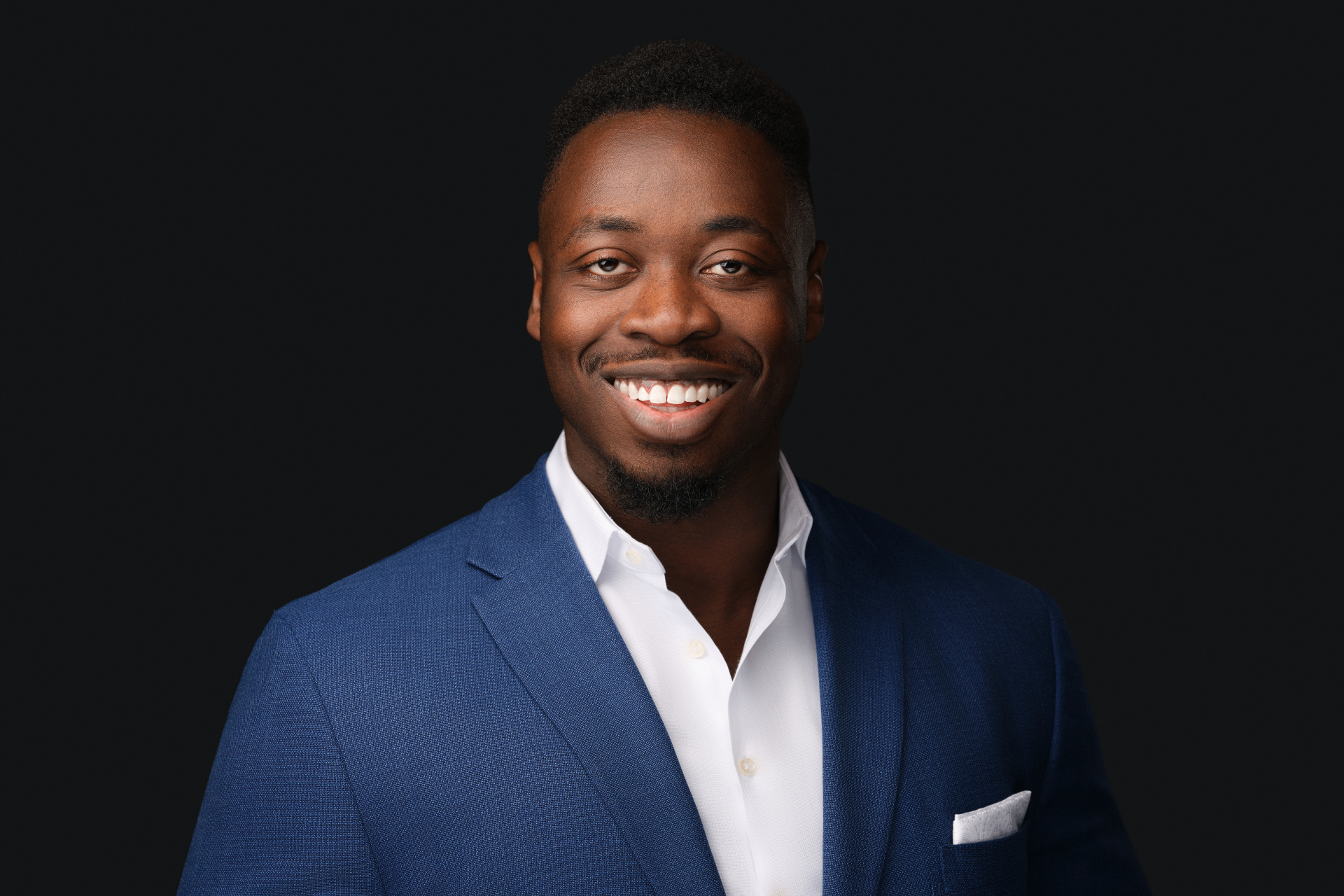
Natu Myers
Sweet. Let's do it. Cool. Hi, everybody. This is Natu Myers back with the Raises.com Top Capital Raiser show. And today I'm with Ryan Morgan, the founder at Acquisition Network. And they've closed over $30 million in acquisitions for busy professionals that are looking to potentially retire and acquire a business. So this is going to be a wide-ranging podcast with an expert in guiding people through the end-to-end acquisition, sourcing, funding of businesses. So, Ryan, it's awesome to have you on the show.
Ryan Morgan
thanks so much man appreciate you having me on thanks so much appreciate it yeah not a problem
Natu Myers
not a problem so yeah i mean i just organically came across your platform and um and it seems to be you know some of some amazing case studies and everything but but if you can just guide the audience through uh maybe you know how you got into this business and how everything started you know that'll be just so we have some context around
Ryan Morgan
yeah sure i got into the business through marketing so my background is copywriting and affiliate i was running an agency where i was helping people to start online businesses so like amazon ebay shopify then i eventually got hired by someone who went to the same college as He's my alma mater, small school called Bucknell. And he had a course called the Hanson Club. And so he paid my marketing fee to promote it. And that's how I got introduced to private equity. It was a 26K group coaching offer that said, hey, you buy this group, you bring deals to this guy, and then he'll fund the deal. You get 40% equity without funding anything else. And he said he had $75 million in dry powder. So I was like, oh, that's amazing. I want to get involved in this space. Sold the course a couple of times, brought him a bunch of deals, but he didn't deliver. He didn't close on anything. And that's when I was like, all right, I need to figure this out because I see the big opportunity of creating equity. But I can't rely on like this big third party. So I created the service where I bring the deals to a client, qualify them and walk them through the process. So, yeah, it's kind of interesting when people ask me how I got in. You know, it's not always the sexiest story, but it's my story. It's how I learned about private equity is all powered through marketing. And so through those advertisements, I spoke to thousands of business buyers that were struggling, being like, hey, I bought this course, I bought this community, and I still can't do it. And through the advertising, I ended up attracting other like-minded M&A professionals that do have experience. And I was able to build a team of guys that have done billions of transactions for companies like Goldman Sachs, Coca-Cola, Ernst & Young. Our head of M&A, David, has personally bought a business every year for the last decade. So I was able to create a mergers and acquisitions company without me having prior experience. I just found the talent the network and I established the demand and I have 4-5 clients pay us every month that need help with buying a business so that's the story hope that helps gives you a good answer yeah
Natu Myers
so it's really the thing about that answer is like so many ways we can go with this like that's so okay so for people listening this is something that you have to pay attention to for those listening obviously But like my question is, why did you because some people, they see an opportunity like that and then they just say, oh, let me just, you know, make my agency money. Others, they see, OK, I see the upside of equity and I see the upside of, you know, building wealth. So why did you decide to go all out with that instead of just being comfortable and saying, oh, hey, let's just make a few bucks in my agency?
Ryan Morgan
yeah the agency uh i didn't like the idea of always having to find a new client new person to work for i did uh you know with the marketing service i'd make a lot of money for people not be able to benefit from the value being created i remember i saw one one of my case studies we spent like 35k in marketing and made like 1.4 million and yeah i got 10 of that so which is good money yeah like you know making 140k in like four to six months that is good money right but you but you could still look at like the other nine hundred thousand dollars where that money go right and like i was like i want i want to get on that side of the table so that's why i created that because that's you know created my own offer so that's part of what i do is teach people how to create their own offers, how to ascend that consulting ladder that I was able to go on from offering a service to be able to promote your own thing.
Natu Myers
Okay. Yeah, this is interesting. So because I'm in the space too, I see a lot of, I see some offer. Obviously there's some offers, there's some mentors in this space. I see that there's some people, what they do, and clarify if I'm wrong, but there's some people, they have an offer, for example, helping people buy businesses or helping people start a fund, et cetera. And then they know they're from the marketing world. So they're not the traditional, you know, using Microsoft Outlook from, you know, and very shake hand, shake handy, very old fashioned, going to roadshows. They have this marketing mind, but then they also have this private equity mind such as you. And then some people have this offer where they help people do that for themselves, for example, helping people buy a business or helping people startup fund as a consultant. So is that what you do as well? Like you teach people how to teach others how to buy businesses or is that?
Ryan Morgan
Yeah. So I've, I've two primary offers that are being sold now. It'll soon be three. So there's the done for you where it's like, Hey, you're an investor. You don't have time to do anything. Hire my team. We'll help you find the deal, get the financing, manage the company. You just got to have like six, 80 credit score, have a hundred, 200 K in the bank That service is 35 to start 50 K to close 20 equity advantage which is optional For people that are not qualified for the done for you service we have, it's called the acquisition consultant, where I'm addressing the gap in the market where a lot of people are being sold on the idea of like how to buy a business with no money down. I'm sure you've probably seen an ad like that, right? And there's all these people, man, that are like coming in through the funnel that have they're like trying to buy a business and they have like a 500 score and they have like three grand they have like 5k they have like 20k 50k like yeah you're just not gonna be able to close a 2.5 million dollar business and the thing is it's like we try to get people to understand and i'm grateful for you to give me this uh this platform because people you understand is yes it is possible to buy a business with no money down but it's like very unlikely. You got to build a lot of relationships. It takes a lot of time. It's not the straightforward path to doing this. And if you are someone that gets a deal with no money down, it's likely that you're an expert consultant and that's in that field and, or you have a network or different services that you can provide. People that buy business with no money down are not people that have no business experience. I've only had a job. so like that's like and like i'm raising the flag because um 10 15 years ago it probably was easier to buy business with no money down but now there's like so many novice buyers that are coming in wasting brokers and lenders time so like to where you must have capital if you like want to be taken seriously in this space uh or become a consultant like have value so like that's why i'm teaching people how to become a consultant, how to leverage other people's time, other people's money to participate. So if you're like that guy, you've got a 500 score and you've got like four grand, you could become a consultant. My consultant program is 6K, but you can subscribe at like 700 a month and you could bring deals to my network of investors. And I've examples of guys that have brought deals, closed a company in six months with one of my investors, you get a 12K closing fee and you're getting up to 5% equity in rev share in a business without putting up your credit and capital. So that's like the actual solution to buy a business with no money down is to leverage other people's money. Luckily for you, I've already built a network of investors that have paid my team for deal sourcing. They're willing to put the credit up and make a down payment and give us equity. So when you become an acquisition consultant, I'm literally building you a consult for equity business without you having to sell anything. And so along the way, because like a lot of people can't even make it the six months of like doing anything like without making money as you know so along the way i'm teaching you how do you make money before those six months by offering business consulting solutions so we have um inside our app we have 55 different uh like b2b vendors that we've like negotiated so when you're going to a seller you can offer different solutions to make them more profitable make them more efficient and earn commissions along the way. So this is the actual solution for all of these novice buyers that don't have the money, not selling them on the idea of buying a seven-figure asset without business experience and no capital. Instead, learn to use your brain, learn how to use a vetted network that I've spent millions of dollars creating and be able to offer advice and add value to people, earn commissions, create relationships. That's how you become a qualified buyer. And so I think I went a little bit long on the tangent, it. But so there's, like I said, there's the done for you where it's like, look, I'm ready. I just want to buy a business. And then there's the consulting where I'm giving people my consulting business on how I leverage other people's time and money. You get my network of lenders, you get all my coaches. You can use the consulting model to buy your own business, right? You can source your own deals and just structure and close. Or you can use it, like I said, to close deals with my
Natu Myers
investors. That's awesome. And how do you, so, cause one question that I had, because sometimes it's really tricky because there's some people in the business that are, they teach people how to buy a business and they coach people how to buy a business. And there's some people that they buy the business for the people. So it's DIY versus do it yourself versus done with you and everything in between. So some, somewhere along the way, the, the coaches bring in people that have literally negative net worths. And sometimes, you know, when we qualify people, we see that they're just not qualified enough to get into this type of business that we're in. So how do you filter out people that either, because we found on our side that there's like, obviously there's the money and then there's the deal, but then there's also the sponsor and their temperaments. Because we We understand that there's the logical and checkbox of credit score and money. But then sometimes we find that there's some sponsors that are actually more difficult to work with and some sponsors that are super easy to work with. In fact, they'll even come up with new ideas for us and try to do deals for some of our others. How do you filter and see who's serious and who's not?
Ryan Morgan
And how do you read between the lines? That's tough. How do you filter? I mean, that's just qualifications. I mean, we have, you know, two layers of salespeople. Plus we have Jim and Constantine, who's like sales ops. So technically three layers of sales. It used to be in the early days we would take anyone who would pay us. But now we have to be like, no, show us your PFS. Like, because like, you know, people will give you the money for the fee. And then they'll like sell, like they'll like buy a Lamborghini or something and just like ruin their credit. and you know what i mean so it's just like having a clear line of communication of like hey this is what you need your financial situation to be and you cannot change it during this process uh so it's just really being transparent honest with them it helps now that we have you know 14 acquisitions plus that have closed so um clients can speak to other clients as to like actually took to get it done you never have a perfect answer man as far as like vetting people it's all about community it's all about transparency and accountability in my opinion for that yeah
Natu Myers
amen to that no money down deals I agree that they're rare and I do agree in retrospect because we had a maybe we can talk about deal structures because we had a Canadian who bought them I guess theoretically or I guess technically there's no money down, but she just had a business partner that had a business that was making good money. And then we just leveraged the cash flow of that business, you know, and then use that as, use that to pay for a foreign business and then negotiate seller carry. So if she didn't have network or if she wasn't a business owner herself who was well networked herself, we wouldn't have been able to leverage her um her associates business to get that money so what are some creative deal structures that you've seen um you know as you know you've coached people through and you've actually done the work for people through your team to help them close all these
Ryan Morgan
deals creative deal structures um like i said there's it's been at least two that's been no money down. We've had some 5, 10% down. We've had one guy go in all cash. We've had one guy, like he leveraged his house. We have another person like leverage their boat. So there's, there's, you know, different assets, different, different things that you can provide to change the terms. We've got a couple of clients that did negotiate 20, 30% seller carries. One of our best deals Andrew did that He was able to get the deal from 1 to 1 He put 125K down And he walked into 39,000 a month, 475 a year. So that's probably one of the best deals that we've done so far.
Natu Myers
Wow. Wow, that's impressive. And then the split between... So, you know, because we've had a lot of success more for, I don't know how you managed to do it, but we have a lot of success with more business owners because they just understand the game and the nature of risk. You know, from an expectation setting perspective, it's way easier to deal with. So you say that you focus more on professionals or nine to fivers who, you know, are kind of getting out of their job and wanted to start owning a business. So do you gear more towards those people alone or do you also work with business owners?
Ryan Morgan
Yeah, that's just what's coming in through the marketing. we do have full intentions of launching a B2B arm where we specifically target business owners and offer them consulting services outside of M&A but my general Facebook, Instagram ads where I'm just making the call out of like hey we offer the service the people that are coming in are corporate people we have a couple business owners a guy who owns a trucking company out of the 80 majority of them are regular 9-5ers but that is my full goal my goal is to make it where I don't work with anyone unless they're a business owner but right now I'm not in a position to do that I understand, well I mean I think
Natu Myers
maybe the platforms because I find that the Facebook, the meta platforms are very top of funnel-ish and then the LinkedIn's, the emails are really just straight to business because when I ran Facebook ads I got a lot of Yeah, there are some business owners that are actually amazing, but I mean, many of them were just like real estate people or doctors and such. But, yeah, no, it's interesting. So. So, OK, so when it comes to this, do you do you go into the business of raising equity or do you just purely get the sponsor to put the down payment down and, you know, get an SBA loan or some other form of debt?
Ryan Morgan
yeah as of right now it's the latter but um we do want to get into raising equity and creating our own syndication fund uh that is in the works it's just a lot of there's a lot of spinning plates man as you know yeah yeah well i mean you you clearly clearly like you identified what you're
Natu Myers
like what you're doing extremely well you're getting good results for your your clients And you seem to have mastered that as you expand, which is really good. We're involved in a lot of equity. But one time I spoke to Cambridge Wilkinson Investment Bank. They close $30 billion a year. They flat out just told me debt's always – and it's probably obvious to you and everything, but debt always moves faster than equity. And so it's kind of grass is green on the other side. You already have something here that is really working well. And it's clearly faster than what a lot of people are doing with funds that take very long.
Ryan Morgan
Yeah, no, exactly. I like to think of it as like we are raising money right through our clients. Like, you know, like the next stage is to be able to raise directly for ourselves so that we can be the syndicate. But yeah, like through the model that we've done, it's like 3.5 million in down payments to create 5 million in cash flow, 30 million transaction value. And so obviously we're not realizing all that because we're doing it for our clients. But it demonstrates when we, you know, it makes it easier to raise equity when I can show that I've done it, that I've deployed the money effectively. So like that's part of like what I'm teaching in the consulting model is like, hey, how to create your own fund. It is hard to get, you know, to go raise three mil in equity without a track record. Right. But you can use the service model, use the service model of people, you know, identify. That's what I've been able to do, identify people that are SBA approved, you know, run that process, build this team. Now I can show I have the infrastructure to support a fund. and so that is like I'm actively raising half a million for the software and then once I have that I will deploy a full on marketing budget for the syndication fund so it's just a matter of dollars dude so right now like I said we haven't been able to deviate from the Facebook ads simply because I'm used to spending like 70-80 a month and the Facebook ads covers that et cetera. I actually just brought in a new advisor. His name's Michael Blank, and he successfully raised $90 million in the multifamily space. Yeah. So like I said, we're working on the syndicate. I'm getting on the phone with as many people as I can to get to the next level. I figured out the bootstrapped M&A advisory thing to where I said I'm doing 100 a month, 120 in revenue. So it's just getting to the next level to be able to justify that raise.
Natu Myers
Yeah, that's amazing. And because I do know some people, we haven't gone into that, but we know people. One is a close friend. And we went through the same marketing mentor. And then he just would run Facebook ads. I believe he raised like a $40 million real estate fund just from running Facebook ads. And he's not nearly as experienced as you in consulting. And then another client, he was a medical doctor. He would run Facebook ads and he would go to a webinar where he would sell, you know, these doctors and lawyers, you know, into his VC fund of sorts. So yeah, it's clearly something that makes a lot of sense. I'm just curious. Have you – so I guess you said you're going to work on a third offer. The third offer, is that the business offer that you're going to launch, or is there another offer that you're talking about?
Ryan Morgan
Technically, yeah. So the third offer is going to just be the product itself. Okay. So I have an app that I have a social marketplace where right now there's like 70,000 deals on there and consultants can look at the deals and they can save it onto a Kanban board and has a due diligence process built in and it goes directly to lending through the platform. So there's also training community. There's chats. So that's a product I want to roll out sooner than later. it's going to start off like $100 a year for the first like 100 users, and then it'll be $1,000 a year.
Natu Myers
Awesome, awesome. I spoke with, this reminds me, I spoke with Edward Collins down at, it was a marketing event, Funnel Hacking Live. This was a year and a half ago, Las Vegas, with Russell Brunson. And Edward Collins, he buys accounting businesses, and he said something that we're starting to see a lot of is, most of these deals that we've seen on our side that actually closed, a lot of them came off market or directly from talking to sellers and negotiating some seller carry or the seller is just chill, so to speak, and then they don't really have all these layers of due diligence and filters. So this buy-sell and all these platforms, we noticed that there's just a lot of resistance to getting some buyers, getting the bloody you know, balance sheet of the business or anything. Like there's so much work to get that. So will this platform be different or what's your experience? Like, have you seen direct to seller deals be easier or have you just done platform deals or is yours a hybrid? I'm just curious on what you've seen. Yeah, it's hybrid. We do want to get to 100% off market, but that's just there's a bigger burn in cost.
Ryan Morgan
And so when you have someone paying to get a deal done under a certain timeline, we found it is, while it is a lot of work, you can close deals faster on market. You just have to have a process. You have to have a team. And so what you're explaining, like the dealing with the brokers and the sellers, we solve that with just volume. like we just have so many people talking to brokers all day talking to sell all day so it's like we you know we're able to get pocket listings because like i'm representing 80 people and i have like 150 plus people like making inquiries every day for months for like for years honestly at this point so um like our experience on market isn't the same as an individual because we have so many people like reaching out signing ndas following up right and then we have like weekly calls like going over how many sims did you get right yeah so that with like i said it is it's both of them are a lot of work we have like the on-market funnel like really dialed in more than most i would say uh but we do still get off-market deals from from the facebook ads from my like linkedin outreach but what the way i really want to solve it is to have an offer that specifically goes to business owners where i charge the owner hey it's a hundred dollars to have access to my platform and i'm going to give you a free audit so when i launch that that's going to be the way to like truly uh scale uh but it's all process more money yeah yeah it is it is so so the thing with your
Natu Myers
platform is, okay, so you help people find a business to buy, you help people, obviously, you know, the whole negotiation, the LOI, the due diligence, and then get the capital, and then close the deal, and then potentially run the business. So what part along that entire pipeline is the hardest? And what part is usually the easiest?
Ryan Morgan
What is the easiest? The easiest is... What is the easiest? I don't know if there's an easiest part, bro. I think they're all equally hard. I don't want to diminish any part of the process. Because you can be like, oh, yeah, it's the deal sourcing. But it's not the deal sourcing because everybody needs deals. Yeah, it's all hard. do, but we make it much easier because we have leverage and we're developing technology to streamline the process.
Natu Myers
That's fair. That's fair. And if you, what if we can go back to the hardest part, because, you know, I think there was like some, you know, some, some light, but what was the hardest part one more time?
Ryan Morgan
Yeah, I would say the hardest part is structuring the deal and getting approved for the financing. So, you know, you could get the good deal, you can sign the NDAs, you could draft the LOI. but if you don't get the lender to approve the deal based upon the offer then it falls through yeah that's the part of the funnel that is probably the most often is drafting loi and it does not go through and have to start over
Natu Myers
yeah that's so interesting see like the thing is like i don't know some people they tell us that oh like we have to when you have a good deal the money will come or the deal is easy the money like so we just focus on what we understand is like just finding the money and that part but i i really think but i really do think that there's just just a lot of um it's all connected it's like chicken and egg because if you have a crap deal you're not going to get any money for it so i think everything is connected yeah that's what i said i think all parts are equally difficult
Ryan Morgan
but i think it's uh getting the that million dollar loan is the hardest thing that the part
Natu Myers
happens the least is what i found yeah so how's how's your so so what what efforts are you making to educate the market because you're a marketer um eugene eugene schwartz schwartz uh he has a really good line about market sophistication and about how um people are not like people can be uh problem unaware and then problem aware then solution aware and product aware and all this like how people learn about the market so now that we have we have different platforms i can list a a bunch of them, but one big guy, Dan Pena, a lot of people came from him. And then since he came out, we just have like a lot of these, like a lot of young people, you know, spinning up courses and things like that. So my question is, do you get people that already have a deal that come to you? And must they not have a deal before they come to you? Because you say you find a deal for people. So where along, what are you doing to kind of educate people about this whole world? And what you seen in the market uh as well as like like do you like take people that already have a deal that they want to fund or do you do must you do it for them yeah so um the answer is yes we take people
Ryan Morgan
that have deals uh we help them close it uh we're happy to do that um how i'm educating the market right now i'm just pumping out videos i'm like that's like my full-time job right now is creating content. I made a new account, Ryan Morgan Biz Buyer on Instagram and posted 99 times in two and a half weeks, three weeks. I'm making a lot of videos about what it is that we do and the value of the done-for-you service and the value of the consultant and the value of the platform and why our system that we use to aggregate relationships is more effective than buying a course. um and yeah like i said we accept people that have deals uh that's one of the big reasons why people become a consultant is people have deals they've been doing the work they bought the Codie Sanchez course or something and they they have an offer uh but they don't have the liquidity or credit to close it yeah that's why unfortunately i charge them um because i'm like look the reason i charge you is because these these investors i found like i had to run out i had to spend 30k a month to get these investors. And I hate the idea of turning down deals. But we are pretty much at the point where we're like, hey, you got to give us something. Because, like, you know, a good deal, but if you don't have the borrower to get approved, it doesn't have any value.
Natu Myers
Yeah. Yeah. Yeah. how exactly do those deals work? We have a client that's successful and after he got his MCA refied, he refied out of some MCAs and now his balance sheet is a bit cleaner. So what he does sometimes, he'd partner with other clients to get a loan and then he has a deal where he takes a bit of equity in the other client's business. So do you do something like that where you have like an investor that, you know, he'll be like on a non-recourse loan or something, or is he actually just investing equity? I'm curious about like how that's structured.
Ryan Morgan
Yeah, I mean, primarily it's, I mean, the done for you investors want the business for themselves but if the person that sources the deal can provide anything as far as like being a GM or providing any equity or credit we are open to creative structures to help that consultant get a piece. So for example, like I said, we had a guy, Ty, where he had a deal, but he was bankrupt, couldn't get approved for anything. He brings the deal to Carl and Reed. They buy it. It was a 1.5 million pool safety manufacturing company. It was cash flowing about $300 a year. Yeah. Yeah, Ty, he was able to get $12K in closing. He gets 5% equity. That pays him $4,000 a month. He believes he could double the company in a year. And then he didn't have to put up any credit or capital. Yeah. So, yeah. Yeah. So the way that they get a piece is, yeah, it ties the general manager of that company. So that's what the path that we're provided to the consultant that's under capitalized is, hey, if you could bring a deal to the investor and show, you know, give a plan on how that company will be run, then I can get the investor to approve it. You get a piece of the company, you get some closing fees, you know, $4,000 a month. that it's not enough to get rich, but if you're drawing $4,000 from three companies, that's enough to fix your credit. In one or two years, you can get your own $100,000 to $200,000 down payment and buy your own business. It's not a get rich quick, but it is a path. One deal can take six to nine months. What I explain to the consultant is you've got to be looking at this one to three year journey. Same way you would look at college, right? Yeah. If you go to college, you'd be like, hey, by the time you're a graduate or you're a senior, you have four acquisitions, you're making $16,000 a month. The fuck, bro? It's like really funny. But when you sell it as a program, it's like, oh my god, there's so much work. Yeah. You're going to school for four years so you can make $80,000 a year, hopefully. this is a path where you can make 12 16k a month while getting ownership instead of figure assets without yeah imagine if the government gave you like the way it should be is like the government should give you you know a loan to get the education and a down payment to buy a business but of course that's not how it's set up unfortunately so that's why we have to build that infrastructure and system for them.
Natu Myers
Yeah. I do think that they're better at selling. That's why everyone believes an inferior product is more normal. It's ridiculous. We got to work on the sales and marketing. Yeah. Yeah. What qualifies somebody to be a consultant? is? Good consultant is someone that has the entrepreneurial mindset, the business bug,
Ryan Morgan
the willingness to grow and to be a communicator. It doesn't really take anything more than that. You don't have to have a finance background. You have to have the ability to retain information and reiterate it in a digestible way and be able to create and maintain relationships. If you can do
Natu Myers
that, you can succeed as an acquisition consultant. Got it. Okay. Okay. And so with the consultants, so I'm looking at the entire, so the stack of offers, right? So you have the consultants and then you have the, you know, somebody who buys a business, that one is more done for you. Is it consultants do it yourself where they do everything, they're learning and they do everything himself or is it done with you where you coach or somebody coaches or is it like the house instruction for the what do we what do they have to do what do you have to do yeah yeah it's
Ryan Morgan
done with you so there is coaching there's 12 support calls a month on m&a finance fundraising sales and marketing uh you know we do provide some personalized support based upon who they are as to you know how they can leverage our network to move forward faster we have the platform where we can support them through the group chats. But yeah, they will have to do work. You have to, you know, I'm not going to build your business for you. We don't have it done for you consulting builder today, maybe in the future. But what I am giving is the exact playbook that I've used to create my seven figure M&A advisory firm. I've done 3.6 million in revenue, got over 80 clients, close 14 acquisitions. So you're getting all that information on how I run my business. Literally, it's like I'm franchising my my model. Yeah. So that that includes my marketing system. That includes the recruiting channel, how I find these operating partners to work on commission, how I get interns to come work on commission. The lenders that I use to get approved for financing, how I get clients to pay thirty five K up front and give equity. All that information is available. amazing amazing yeah and the process is and you're getting lifetime access to the software too that i built so this is cost me around five million dollars to put together you know you get you you pay 6k or you can subscribe 12 payments of 700 you pay the 700 you're one of the consultants you're on the team you get all my relationships day one i also provide like bi-weekly accountability calls where I make myself available to all prospective clients, like people that have not signed up. And then there's also people that have signed up and I do a corporate report as to how the marketing system is creating like-minded relationships and completing transactions on behalf of the community. So those are calls are available to people that want to see what we're all about before signing up. It's a great way for them to connect with references. and yeah, that's, I'm just giving you, oh yeah, also I have a feed of over 4,500 recordings outlining exactly how I built out this network from scratch. So example, like this meeting is an example of like one of the meetings where I was like, yeah, so I post like three meetings a day showing how I'm getting in front of people like yourself that you know, have a like mind that are working to create a network to make it easier to raise capital and to buy businesses.
Natu Myers
Cool. I mean, anybody sees me, hi, he's legit. So keep on saying it. Yeah, buy Ryan stuff. So when it comes to the clients, they hire your team, you help them buy a business. Do you help them also structure a holding company in a roll-up and get equity in their holding companies as well if they do that?
Ryan Morgan
That is definitely an adjacent product that we have not developed yet, but it's something that we're interested in doing. Yeah, that's definitely something that is in the cards. It's just a matter of developing that offer, presenting it to the audience.
Natu Myers
Okay. Yeah, it's interesting because there's some sponsors that are more creative because we had a sponsor that he wanted to do that, and he formed an LLC for a holding company, which is – I mean, our lawyer told them, no, like do a do an S, you know, instead of an LLC, because the risk just flows upwards from all the companies, you know, directly directly to him the way it was structured. But we yeah, because we structured where we get equity in their holding companies if they have if they choose to do a roll up, you know, and then if we bring a deal to their table, we would get more like a bigger percent, like closer to 10 percent for the deals that we originated. but if they originated we just keep 5 in the target and in the holding But it kind of we find that some sponsors are more open to it and some are more resistant to it they just want to do one deal and go away but um it seems like it seems like an interesting opportunity
Ryan Morgan
yeah no there's definitely more we can be doing um like i said i'm actively working to get this half mil raised in so i can create new products create new partnerships add more value to my community. There's a lot more, as you just mentioned, that we can do to provide value. We can create our own holding company, right, for example. So these are all things that we want to do. This is right now, building software and servicing these clients, helping get deals done. So my play is pretty full while raising money, as you can imagine.
Natu Myers
Yeah. And so the software. So what have you seen about the demographics? Because so we just observed like I guess on some of the last podcasts we were with Seth the guy who owns TribeVest and RaiseLock and he was mentioning that there's some clients that are very like do everything like they're very like old school oh I don't know how to you know like just a contractor like hey I barely use my phone and then there's some that are really tech forts such as you that are very evolved so like will your software be for people that are more like tech savvy alone or would it be for people that are more new to tech like like how would it how would adoption work yeah no we're definitely building it for
Ryan Morgan
the regular contractor guy we're trying to disrupt by sell like that's the goal is you know biz by sell billion dollar website but there's not a standardized process for the due diligence for each listing you have to put in your name number and email then you have to pull the data from a third-party like Google spreadsheets to organize everything. We're putting all of that in one system and it's going to be easy for
Natu Myers
everyone to use. Awesome. So they're your primary competitor for the software platform, right? Yeah. I mean,
Ryan Morgan
they're the biggest marketplace in the United States. They have the data, but they do not have the process. They have not built the due diligence process in their marketplace. It's a huge opportunity to standardize that for the average consumer.
Natu Myers
Awesome, awesome. So amongst all the offerings, right, so you have the software and then the B2C and then the B2B that's pending, or I guess the professional hiring services slash B2B. Which one will be the biggest out of all of these, do you envision?
Ryan Morgan
I mean, I think eventually it'll be the software. I think if you can service the most customers with a product where they can do it themselves. They can source the deals, underwrite it, and go straight to completing the transaction. I don't think everyone is a consultant. That may produce the most revenue, but I think the software will get the most users.
Natu Myers
That makes sense. That makes sense. Yeah. Well, because come to think of it, I mean, it's infinite scale at low cost per new user.
Ryan Morgan
So it makes sense. Yeah, there's a lot of things we could do with the software. And I always stress to people that a company is called Acquisition Network. And you assume that that only means buying a company, but it doesn't have to be. It could also be acquiring a client. It can be acquiring a job, right? So we plan on having a job board on there, a resume builder, right? We're going to be getting into recruiting. it could be just acquiring a relationship right there's gonna be there's gonna be networking events uh physical and digital events like all the platforms so once again um these are all digital things that or you can service significantly more people than the like the service will be like you can't like 500 investors want me to buy a business for them i cannot do that right yeah today but i could get i can get 5 000 people to pay a thousand bucks for this this thing that uploads data. And so as more customers come for the software, the easier it'll be for me to fulfill to the done for you investors. So there'll always be that, that Peter for how many done for you investors and how many users that are
Natu Myers
bringing deals. So how does the future look like with all this? Because I think that there's some people that, you know, are probably they're, they're kind of minded like you where they would probably build their own deal software of some kind like you have I guess I can already see the answer but I'll just like I'll let you take the lead but like some people are very tech forward they may build their own AI solutions in-house so why should somebody go with your platform instead of just like spin up you know something on cloud or on lovable themselves what is the advantage of using your platform instead of them
Ryan Morgan
using the ai yeah the number one reason why you should use my platform versus you building your own is the network of relationships you're not going to recreate that you just can't you're like you could just you could be an expert marketer and you're guys gonna have to spend hundreds of thousands of dollars to get to where i'm at like full stop period like like i've spent five billion dollars like organizing all these relationships hiring and firing m&a consultants like my team has literally done billions of transactions. I have a system and process where people pay me to bring deals. It's very unlikely you have that. You don't have a sales team that's done millions. So yeah, the reason why you would work with me is because of the relationships that I already have. I've got a standing network of relationships and I have a system to bring more in on a daily basis. So you could literally build your own and you still won't have all the relationships that I have. So that's why you'd move forward faster by partnering with me. So you can go build your own product, go create your own relationships you're gonna go spend hundreds of thousands millions of dollars um and you still would benefit from mine because i i'm spending that same money and i'm i i have full intentions of raising 100 million dollars the next 1 to 36 months 12 to 36 months so it's just like i said it's it's a race to aggregate relationships like that's the leverage that you don't have. Respectfully. There's literally 10, 20 people in the market, maybe 30, 30 companies that have the amount of data that I do in this space. My database is over 120,000 phone numbers and emails that are investors, companies, consultants. I'm not funded yet. Good luck creating a database that size. I have social proof. I have completed transactions. And like I said, I have 4,500 meetings of me building out this network. I have so much transparency, trust, and community. You will literally have to spend millions of dollars to get to where I'm at today. And the years of your life. And years of multiple people. My COO invested 50K three years ago. Works 12 hours a fucking day for my company. He grew an organization from 20 to 200 mil. He's running 450 locations in 30 countries. Do you have anyone like that working for you on your software product that you're going to build for yourself? Probably not. I have 12 people like that that invested and spent time for three years. Good luck. Good luck to where I'm at right now. I wish
Natu Myers
you well. Have a good day. Yeah. And that's what people are missing is that they don't understand that it's experience, suffering, experience, learning. It's not just like, you know, going in front of going in front of cloud and thinking, you know, everything is paid $200 for the cloud max program. So, yeah, exactly. Like you can go build the software.
Ryan Morgan
But I have dozens of people that have been talking to brokers talking to sellers underwriting deals having LOIs fall through So I have this way more data dude I have way more people that are like chiseling at the at the at the mountain to figure this thing out And like, you can have your ideas, but you only have 24 hours in a day. I've got dozens of people giving me hours in the day over the course of years. Exactly. And I'm spending $20,000 a month to keep them there.
Natu Myers
see and and you chose to be tech for it as well because a lot of people are just you know the whole blockbuster thing or kodak where you know they're stuck in their old ways but you're you're more tech forward so you know you you have higher leverage because you've chosen to adopt you're not the law firm the fax machine right no exactly man yeah i've uh before i started
Ryan Morgan
of this, it was always to create a social marketplace SaaS solution for buying businesses. The premise is to create a social network for acquisitions. There's not a lot of people that have that goal. So, yeah, I've got a plan. And yeah, like the ultimate goal, you're saying like, what's the future focus is to create a publicly traded tech company that buys businesses for everyday investors. It does not exist. And I believe it's a technology that needs to exist and can improve the GDP of nations. like there's there's like 100 million retail investors i think like just in the market plus right and if all those people pull their capital to create a system to make it easier for them to find and underwrite deals that would lead to one of the greatest transfer of wealth in human history
Natu Myers
and that's what i want to leave that that's amazing and that's amazing and i think um timing is perfect because as we wrap up, you know, I really do think that we heard the story. We heard a lot of the story about the transfer of wealth and about, you know, the silver wave is coming. You know, you speak into some advisors here and there and accounting firms, law firms, everybody, and, you know, obviously all the coaches that say that. So what do you have to say about people that have doubts? because I do notice, on my side at least, that some people have doubts that this silver wave is coming as fast as we thought it would. So could you speak to this whole silver wave of old people retiring? I mean, just look at the demographic.
Ryan Morgan
I mean, the baby boomers is a real generation. There's more of them than any other generation, and they hold all the assets. and 76% of those assets are small businesses. And they created technologies for real estate and stocks, such as Airbnb and Robinhood, but they did not create a technology to democratize private equity. Why? Because the big companies don't want retail investors to participate because then they would have to compete. But that's why we're going to build it for you. Amazing. So yeah, the silver tsunami, it is real. go do your research yeah there's definitely uh there's a lot of people having kids after
Natu Myers
world war ii i think you know why and yeah there was the roaring 20s and that's when the money was made and um yeah all the assets are being are being transferred over in the next 10-20 years
Ryan Morgan
yeah for anyone to ask just listen to this part of the podcast because i get that question a lot
Natu Myers
And I noticed that you have a lot of amazing testimonials of people who close deals. And I noticed, just put the elephant out of the room, I noticed a lot of them, some of them happen to be disproportionately Black. I have a lot of Black clients compared to the population rate as well. You're doing everything, I'm assuming you're doing everything for all people, but are there any initiatives or anything for the Black community that you're working on as well? Or is it just everything for everyone who wants to, you know, feel your vision?
Ryan Morgan
Yeah, I would say right now I don't have the bandwidth to make an initiative. Like right now I'm creating content, trying to get raise money. But when I do have like an extra like plate to spend, I do definitely want to help those that look like me specifically. Like when I would say when the product is done, when the training is done, there'll definitely be programs in place. I think it's a huge I don't know if you saw a video I posted about like like the disproportion of like tech companies that get funded that are that are not minority owned it's just like extremely high I'm trying to think of the stat it was like it was like less than half of 1% of funded VCs or funded tech companies are black owned um this is bad dude so yes like we need to be able to create more opportunity for uh for people that look like us and i want to spearhead that man uh there's not enough black billionaires in the market there's not there's yeah because we just don't we just don't have systems to fund one another and it's a crime and we got to do something about it yeah i want to respect your time
Natu Myers
but if there's this one final thing that you can leave with the audience um people that want to work with you, people who want to buy this, if you can even leave your website link as well. But one more important thing, one last thing that you can leave for people to remember, what would that be? Yeah, one last thing I want people to know
Ryan Morgan
is that poverty is not real. There's been systems and processes designed to disenfranchise the middle class. It's been done intentionally to control you, to keep you working for corporations, to keep you dependent on consumer products. And yeah, we believe in a world where there is no poverty, where everybody has the ability to live the American dream. There's literally like $90 trillion changing hands. That's more money than the current public market, like in the private market that's being passed over. There's like infinite wealth. There's enough for everybody to have their own house and yard and be a millionaire, but the systems aren't in place for that. If you're watching this video, go to acquisitionnetwork.io. You can visit my app. It's app.acquisitionnetwork.io. The app store is called ACQ Network. Download the app. Join the future doing business. Like I said, my goal is to create a publicly traded tech company that allows everyday investors to buy businesses faster without doing the work. Like imagine the premise of like a digital token where like somebody from France can buy a business in England or whatever. Like the opportunities there, there's never been a time where there was the greatest transfer of wealth with AI, with blockchain, with social media. combine the retail investors to create their own organization and system to democratize the greatest transfer of wealth in human history poverty's not real they just didn't build a system for you if there was a company the size of amazon right now that you could go to to have a business sourced and managed for you there'd be no shortage of clients for that that would there be any shortage of would there be any shortage of people buying shares no that's there'd be a trillion dollar organization that gets bigger bigger bigger bigger and it just like cycles wealth back to the world. That's what we're going to do. Poverty is not real. Support the cost. Download the Acquisition Network app today. If you're doing business now, don't get left behind. God bless you all. Let's schedule another one where we can talk business, brother. So, you just send me your calendar. I'd love to give you a demo. I'll show you what it is that we're working on in great detail. Yeah, I'll
Natu Myers
ping you for a follow-up. So, everyone, this has been Ryan. Thank you so much, Ryan. Cheers. See you, man. Cheers. Peace. Thank you.