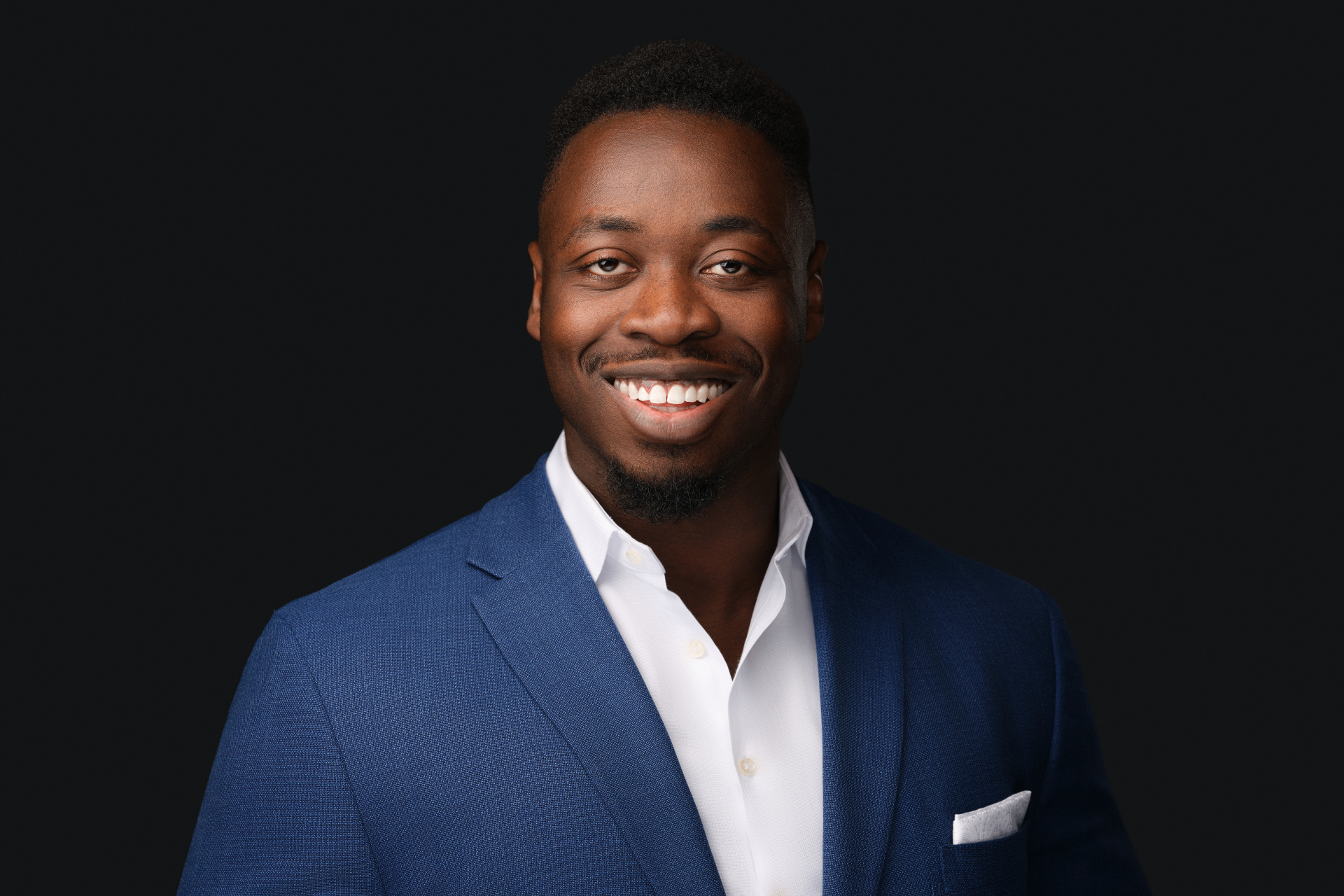
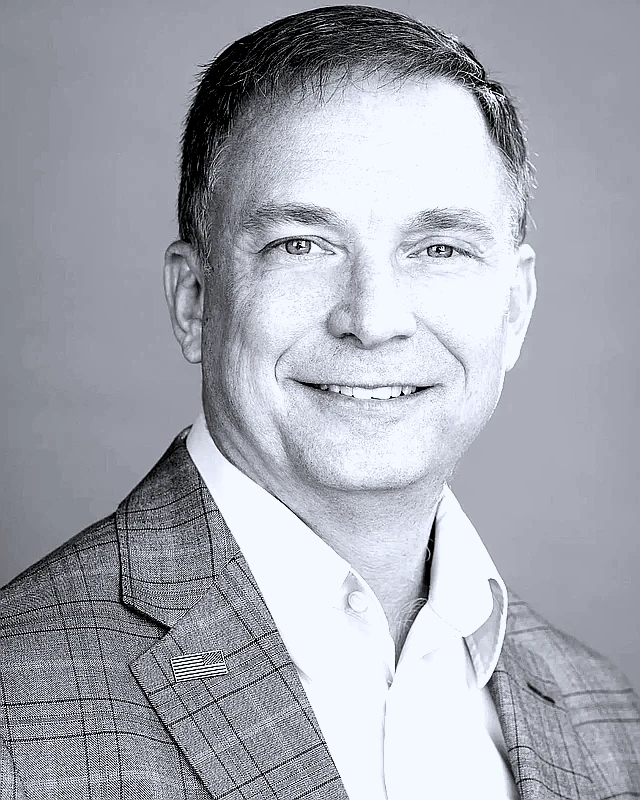
Natu Myers
Hi everybody, this is Natu Myers back with the raises.com top capital raiser show and on this show I have a very esteemed guest Derren Burrell. He's at Veteran Ventures Capital, a private equity firm that is geared towards investing in defense tech and defense firms. And this is going to be a very wide ranging discussion looking at what the buy side is currently investing in when it comes to this sector. And we have a leader in this in this whole race and he was in this race right before the whole geopolitical landscape changed and so Darren it's awesome to meet you too
Derren Burrell
I really appreciate the opportunity to come before love what you're building uh been following you a longtime follower uh as well look forward to kind of telling you a little bit of our story and uh and the mission and vision of what we've done and and what we're doing uh but appreciate the opportunity to come on the the show and and really uh uh again respect what you've what you've built there at raises and look forward to kind of seeing where we can collaborate and effectively help drive it all forward
Natu Myers
Yeah, I mean the honor is mine and you know I saw the business you know I saw that you're a veteran and and obviously you know we respect and thanks for your service. Um so looking at veteran ventures capital and just your career um if you could just introduce yourself to the audience tell them where you're coming from and uh so we can know more about you. know about where you're coming from and everything
Derren Burrell
Yeah, sounds great. So, uh yeah, quick background on me. Um I did a full career uh in the US Air Force after graduating from the Citadel, which is a military college in South South Carolina. I did 21 years active duty Air Force. Uh but all of it was in the the financial management arena. So, I like to say I didn't fly the planes, I just paid for them. And uh had a great time doing it. Managed some really large programs. Uh 15 billion in the Pentagon, uh 12 billion on the front lines of Iraq and Afghanistan. Total of five combat deployments and uh then uh finished up my time in the White House uh managing the president's communications budget uh uh and uh did that back in 2015 is when I decided to transition to the private sector. So I stayed in that financial arena uh for several years and really helped a couple of businesses grow and scale in addition to the company that I was at. I was the chief operating officer of a small fiduciary company in in Knoxville, Tennessee. uh we helped lead that to uh to an exit about a 5x in three years. Uh and that's where I found that veteran veteran owners, veteran entrepreneurs uh they bring a lot to the table in terms of some of the military training and skill set and operational expertise they have uh and they can really help private enterprise um really explore growing further and faster. So that kind of led me to get back into you know two things that I really love and one is you know in that money management uh fund administration type of thing that I do now as well as helping out veterans uh in after they've served their country also uh transitioning into the private sector and specifically to entrepreneurship. So I launched Veteran Ventures Capital right before COVID hit uh and uh assembled a great team in the midst of COVID raised our first fund and immediately found that we had a a special skill set uh in the defense tech arena. uh where we would deploy capital uh and then be able to leverage our expertise in working with the the government specifically the Department of Defense, department of defense um in helping these companies get additional funding from the government. So in in all in the first fund we we invested across you know 14 or so companies and uh you know it was a $20 million fund and those same 14 companies ended up generating you know uh in excess of 200 uh and 250 million of non-diluted funding on top of our equity investments. So that's in the form of you know government contracts, congressional marks uh you know research and development uh monies whether it's a small business innovative research grant or these uh even even special programs from the office of strategic capital and some some areas like that. So we found that uh that you know by concentrating on on a small number of companies, we could really help elevate their returns and increase their uh appetite for government contracts which really helped both us and and our our LPs as well as the founders, right? We don't get as diluted as much. They don't have to give up as much as their company and uh and they end up scaling further and faster on their government's dime in terms of IP protection, development and stuff like that. So, it's a d-risking thing that we did in fund one. Uh and then we raised our second fund uh closed it out uh last year uh triple the f size of the first fund and we're doing the same basic methodology that we found in fund one which is backing good solid companies with veteran leadership somewhere in the seauite and on the cap table uh and that defense tech arena and then bringing them to the government knowing exactly where the government was looking for special innovation because we helped build the DoD budget when we were active duty and now we're on the other side of the coin uh knowing where to bring them to the right folks. So those those uh those special areas include like space, autonomy, robotics, uh material science, quantum, AI, and then that all catchy military term C5, ISR, you know, command, control, computers, cyber, and uh intelligence, surveillance, and reconnaissance. All of those areas are the areas that are growing the fastest in the DoD budget uh domestically, but also across the globe now as as defense tech wasn't the best place to invest when we first started. Everybody said stay away from the government. You know, you don't want to deal with them. But now everybody's doing it because they see the opportunity that we help pave the path for. And so, you know, when we look look forward uh we see tremendous synergies across the globe of increasing budgets, uh defense budgets, whether that's uh from NATO countries or even others outside of the NATO infrastructure. So, that's kind of you know what we do is is we connect um our companies with different funding sources and that helps them scale further faster and then you know either become a target of M&A within the large defense prime ecosystem or or we've had one company go public uh off of fund one too. So I hopefully that wasn't too much too soon. Um but that that gives a brief background of what we do and how we do it
Natu Myers
Yeah. No, it's it's just enough at the just the right time. So Yeah. And and doing research for the show and everything and and even uh like around I believe a month or so when I looked at it, uh it seemed to me that a lot of it was almost VC like uh where you were jumping in in the early stages. Um but I also see some elements of private equity for example. I mean you stay along for the ride where you see people uh go public and and potentially you're talking about people um getting bought out. So is it a so aside from the the veteran first methodology like is it primarily around um you know just investments or control buyouts or one?
Derren Burrell
It's a great question. Yeah, we are a VC fund. Uh we typically are investing check sizes in the second uh fund of you know anywhere from uh 2 $3 million and we're typically focused around that series A arena. We like to see some some proof of uh traction so that's not pre-revenue traditional. and uh because that's because we know what the government's looking for. They're looking for a little bit of product market fit. Doesn't have to be a lot, maybe a million dollars in revenue. And then we we try to come alongside them, invest into companies, take somewhere around 10% ownership. So, it's definitely a minority stake. It's not private equity in that respect. Uh and we are there not to take over the company. We are there to support that entrepreneur. Often that's a veteran. Uh that's the founder. Doesn't have to be as long as it's somewhere in the sweet and on the cap table, then it qualifies for the fund. But you're looking at series A up or down. We've gone, you know, um we've led some uh seed deals, we've led series A deals, and we've participated in series B deals as well. So, we like to lead, we don't have to lead, uh but we are very collaborative capital. We like to we like to say we give our founders as much help as they can stand. Uh we're pretty active engagement. Uh you know, helping them identify the right go to market strategy to within the government ecosystem. Uh but not only that, we have uh some folks on the GP that have uh successfully exit exited private companies as well. So we know how to run a business. We know where to to help them optimize their operations internally as well as going going and getting those additional dollars from federal sources uh and uh continuing to help them scale further and faster. Did that answer your question?
Natu Myers
Yeah. No, it totally did. It totally did. I mean because right now I'm thinking of a sponsor. We one of their first customers we had. He he was a cyber security fellow and um you know he worked with a firm to raise capital. It's unfortunate that we're just meeting now because you know he was an experienced cyber security person working on defense but you know one problem that he had and I'm curious how you solve it is he usually had a lot of uh key key I guess not key man risk but because it's government contracts you know typically have like a whale that being the government you know with huge contracts. So What's a good strategy to derisk some of the investments where you know they have one giant or a few giant government contracts on their uh balance sheet?
Derren Burrell
Yeah, that's that's very insightful. So so what we do is we invest in you know those dual use technologies, you know, meaning that it has both a governmental or a public use as well as a private application. So you would you're not likely to see bazookas in our portfolio because that's pretty much only one use, but you would see things like satellites and satellite component parts and things like that that uh are applicable by different aspects of the government whether that's the space force, the um uh the intelligence community or even NASA but it also is used for um private enterprise like SpaceX and some of those other types of companies. So what we try to find is we find that dual use tech that has a government uh customer which might be a lot coming up front but then over time after the government has helped devel and you know given the uh uh funding they need to help scale that company to produce whatever it is the government's looking for. It's also applicable to the private side. So you may have initial a lot of our companies have initial government um revenue and then over time you see that level out into private revenue as well. So we ideally would like to see 50% of revenue come from government customers and 50% revenue coming from the private side. That's you know, you have a very mature and fully developed uh pipeline from a from from our portfolio perspective. Some of those companies have made it, but that's a it's a multi-year process, right? You've got to got to get that product market fit correct. You got to help them find the right mix of how what to contracts to go for for the government and then what private partnerships and relationships you need to develop over a period of time. So, there's a couple of companies that have that reversed that do a lot more from the private side, but they still have the applicability of going into government and we can help them with that strategy as well. So, it is a it's a little bit of a chicken and egg kind of thing of trying to make sure that they have that right balance and that that sometimes takes time. It's not necessarily an overnight success
Natu Myers
Yeah. No, that's very interesting. Yeah. Then I haven't I haven't heard that perspective before. So, so people listening and and let's say you're on the founder side of things, you know, either you're you know, consultants, employee, founder, you know, you have a potential defense tech business, this uh you're listening right now um or I guess to those who are listening what would you say uh you know I guess the elevator pitch of the fund the right person for you so you know they're looking for a2 to3 million check uh 50% allocated to uh ideally 50-50 is played ideally you're not putting all your eggs in one basket and then if uh let's say you know everything goes uh blue again you know then you lose your contract so ideally you know more stable revenues so what what does the elevator pitch for somebody who's looking to potentially uh become a good fit for you, let's say, in the next few months or years?
Derren Burrell
Yeah, it's a great question. So, we we we've almost reverse engineered our deal flow process, right? We want to see where the demand is from a government perspective, from the defense perspective specifically. So, we look into those DoD docs. We try to find the budget docs that are, you know, currently working their way through Congress, finding out where they're going to be allocating resources and understanding those technologies that are powering those those increases in the budget. So let's say that that's typically those six areas that I mentioned you know space satellites or space uh you know uh material science autonomy uh you know quantum AI uh those kind and C5 ISR so we're looking for that we know that there's a fit there for the government so then when we get a pitched by a company and it fits one of those criteria we're like okay we think we can help this company out. We think we can build some bridges with uh those different entities within the Pentagon. So, we kind of look to see where we can be value ad. If we're not going to be value ad, then we typically are kind of like maybe maybe we shouldn't look at this at this time and maybe pass. We really want to help our C our potential uh you know portfolio companies. We want to help them out uh and be active in in their development. So, so you know if there's someone who meets that threshold that's like, "Hey, I've got this cyber, you know, cyber security program that I'm looking to get into the government. I've got a little bit of traction here. Uh, can you help?" That's when we would take that pitch. We would, you know, have them, uh, you know, go through and look at their their data room, uh, the full pitch to our our uh, first our deal flow committee and then our investment committee and then ultimately after deep due diligence, we'll come to terms. That process is, you know, can be fast. You you know m maybe fast is 6 weeks. It's not it's it's uh but uh it can also be the course of over a years you know because if we get to a company that doesn't meet one of our thresholds like let's say it's pre-revenue or it's only got a couple of you know a couple hundred thousand in revenue. Well, we want to we want to start the relationship now in hopes that we can continue to build that rapport over the course when they do hit those right milestones that allow us to say, "Okay, these guys have the action and they're going to be very successful in getting, you know, these governmental dollars." That's when we can step in and say, "We've known you guys. We've worked with you over the past, you know, eight months or whatever, and that now let's go ahead and and you know, become a little bit more invested in in one another." So, so it's really hard to say, you know, what is the perfect timing, what is the perfect company? Um, and we look at about 500 deals a year and we invest in, you know, six. So, it's a it's definitely a high bar, but these typically in line with most of the venture capital funds that are that are in our ecosystem, but I also think that we have a a pretty good um track record of helping these companies multiply our investment times 10. You know, again, for every million we put into a company, we generally get about 10 million or more of non-diluted funding from the government. So, if people are looking for that, if they're looking to derisk the investment, if they're looking to not necessarily give away as much of their company um that I think we're a pretty good a pretty good fit for him in that regard. Uh provided that they you know like that active engagement that we bring to the table
Natu Myers
See you see I I love that and I definitely I don't know what it is but you you definitely um there's something about like the way that you there's something about how you approach founders that has sort of a long-term view. Like it's almost as if you have a uh like a very long-term view and a like a u profit first, good fundamentals first. Like it doesn't seem to me like it's one of these, you know, um you know, and not not a knock on on San Francisco, but it's not something where it's just like, okay, you know, let's just pump up the valuation and let's just, you know, rely on hype. You look like you focus on sound fundamentals, sound, you know, cash flows. That's just the impression that I have here
Derren Burrell
Yeah. I mean, so let's face it, right? the the defense investment landscape has changed quite a bit over the last three to four years. Um, everybody thinks it's in vogue now
Derren Burrell
And I think that's what's what you've hit the nail on the head. What's that has done is it's really driven up valuations to the point where they're really uh in some respects um way way out of market, right? Very out of um out of bounds. So what we try to do is like you said, we're relationship investors. We're trying to find the best investment case for our LPS. Um, and so that takes time to find those deals that aren't overhyped, that have true uh innovation and applicability to the technology and the um the requirements that the government is looking for, that the military is looking for, and does it have that applicability across both p public and private enterprise? That takes time. Uh, and we we understand what it takes for them to be successful. And so that is a little bit more you know, we come alongside of them. A lot of times, you know, it doesn't always uh come uh work out this way, but a lot of times it's a veteran founder, right? And when it's a veteran founder, we walked in their shoes. We've served alongside of them in some cases, and we understand, you know, what they're trying to build. They can talk the same lingo that the government, the military does. And so, it makes for a very interesting and dynamic relationship, but it does build over time. We do become a part of them. We almost always get uh you know board seat or observer rights uh always information rights at least but but typically an observer and higher. And so that allows us to really understand what the business model is, what they're doing and how we can um uh really engage and uh encourage them to take their operations to the next level. And that's that's that's a deep relationship, right? You're looking at longer than a lot of marriages. And that's kind of what branded for and we really enjoy what we do. We we love building things and we love being a part of companies that are trying to make a difference in bringing number one, you know, stronger security to our nation and to the uh global stage at large. Two, it's helping uh you know, tr veterans transition from the uh public sector into the private enterprise. And three, uh uh is generating a return that our investors can be proud of. Uh so it's a we call it, you know, triple bottom line impact as opposed to double
Natu Myers
See, that's that's amazing. So, um, zooming in zooming in a little bit and looking at the the tactical side because I mean I mean just just for some pre-tax, you know, on my side like I guess where you were probably several, you know, several years ago when you had your first fund um like on our on race.com side, we assist uh I guess sponsor independent sponsors to become a first-time fund manager, you know, ideally for PE. Uh, and then what we've seen on the other side in terms of helping them originate deals is the successful deals that we've seen originated. There seems to be a very detailed well structured data room. Uh very high um relevance to that uh investor um and somebody who knows how to talk like they're in capital markets. Like you can kind of pick up on somebody's language patterns to see if they know what they're talking about. And admittedly, you know, yeah, maybe somebody is not really in that financial business business, but at least if they don't have that, at least they make they're making some money. They know how to make do some sales here, you know? So, I'm really curious on your side, uh, on a tactical level, if somebody brings a deal to you, um, what do you tactically see that works? Do they have a very organized data room? Do they just, you know, is it an inerson thing only? I'm just curious your approach
Derren Burrell
Wow. Yeah, you touch on a lot of interesting parts of of how do we get to the deal, right? It's it's It's really a combination. We've seen it all. Okay? You know, been doing now for over uh approach seven years and uh you know, we've seen the the early stage companies that don't have a whole lot of uh um experience in fundraising. Um and there's some really great accelerators and you know, even militarybacked uh organizations that help prepare early stage companies for going out and capital access and capital ra. They didn't have that, you know, five, six, seven years ago. So, we did see those areas that were pretty uh, you know, Google Driveish in terms of their, you know, uh, here's my pitch deck and and that's all I've got. Not really a proforma, not really a full data room. But I would say over the last I would maybe three or four years, we've we've seen uh, the deal flow become much more sophisticated and we do see opportunities uh, where there are some fantastic companies that have really you can tell they've been uh either down this road before, you know, and and and how they present their data room, how they present all their different information, but uh um you know, we we've seen so we have definitely seen that we've seen a maturation of the companies in the defense side doing that better and uh oh to you know so I would guess I would say that we have uh continually helped these companies uh you know find the or I guess we've encountered them through you know virtual meetings right you know whether that's cold cold emails to our website whether that's you know through LinkedIn or what have you but I would also say that you know meeting these companies at trade shows at you know the uh um annual conventions from each one of the military services whether that's special ops whether that's um army air force they have these week-long uh you know, uh, conferences that allow us to really interact with early stage businesses and build up the rapport in person. Um, and, uh, everything in in between. So, uh, I I would say that, you know, while we like to see fully developed, you know, full data rooms with all kinds of different, you know, tax information, marketing, go to market, pitch, financials, all of those great things that you expect a company to have. We've also seen the opposite where we know it's a great business and we we can see that the content is there even if the delivery is substandard. We've made investments there and then help them professionalize for future rounds, right? And help them get more ready saying here's best practices. Here's what we have seen and this is what works. So we really help them and even in that area where if we've agreed to invest in them, we're like hey we'd love to lead this round but if so you got to get you got to get your data room uh up to snuff and we can kind of help them get there. So, it really varies. I mean, it's it's uh we're we're pretty flexible in how we receive our deal flow. Uh and then, you know, once we find that right deal, we're going to help them be successful either in the current round or in future rounds. I hope that helped
Natu Myers
It it it does. It does because sometimes when like more in on the on our side, the M&A side, like sometimes if a deal is almost like too pretty and then the actual fund foundations are not there, you can tell that they've used an agency or they used a broker or they they got, you know, I mean, if you put lipstick on a pig, it's still a pig. So, um, you know, so, right? So, sometimes I guess you probably just have a way of just looking at the focusing on the main thing regardless if if it's dressed up or not and then from there you could see if the deal has even been shopped around a lot. And have you seen that, by the way, like a deal that's been shopped around a lot and then there's a red flag down the road?
Derren Burrell
Yeah, definitely. You know, a couple of uh of comments on what you just said. Um, I I will say that uh there's a lot of people out there that that are, you know, evaluating deals and pitches, you know, checking a box. Did did they do this during the pitch, right? And uh and there's a tendency for for folks in our ecosystem to do that, but really, you know, you can find some really good deals that are um opportunities that are super um interesting. They just may be presented bad
Derren Burrell
And when that happens, you kind of like, you know, you understand, boy, that pitch was terrible. Um, and then the, you know, the flip side of that could be like, yeah, but the business is great. Let's help them fix the presentation and let's get engaged with this company. So, you can find what looks to be a pig and it may not be a pig, right? You might want to
Derren Burrell
say, yeah, so there's there's that. Um, and and and the in regards to uh you know, shopping the deal around, man, it's it's interesting in the defense venture capital ecosystem specifically because I think we're a much more collaborative bunch. We have invested alongside of several institutions like Loheed Martin or Booze Allen, Incel, all these major investors and it's really helped us uh see that it's a collaborative nature. It's a $20 million round. People want to put in two or three million a piece. So, you're going to have multiple investors. So, one thing is you can do that. You can you can compare deal flow. Hey, this company just pitched me have they pitched you or or you know if we're leading that deal hey you know got one for you uh and then finally you know if if it if they have been fundraising for you know eight months nine months you got to ask yourself you know um why is it taking so long you know maybe maybe that's not too long but if you're like doing it for a year and a half that's when you know that okay these these guys have have had a challenge in getting getting the funding in the door let's let's peel the onion back and figure out why. Could be a good reason. Um and it could could lead to more questions if that makes sense
Natu Myers
Yeah. Yeah. No, totally. Totally. Um and from the founders's journey like um sometimes it could be a bit nebulous for from the like the amount of money that they may need and you know like I've heard I've heard this whole thing with the quality of verians reports you know I mean we see that in M&A and larger deals. Um I don't know how much of that's I don't know if that's even a a thing you know with uh you know your sector your deal size and everything. But we see some people um like there's some firms that they're like, "Okay, we're not going to look at this until we see a quality of earnings report. Um you see sometimes these due diligence fees, but you know, we see that more in the lending side." So So what should a what should a founder expect if um like from the from the the due diligence side like is this like a huge investments you know to get people to uh because obviously people are flying over sometimes seeing facilities and everything like we had somebody pay somebody um uh 10 like they'll pay our fee and then they'll pay somebody 10k and then they'll fly over and then they'll check everything out and then they'll fund the deal luckily. But we have seen some people where um you know like I don't want to name any names but we've seen six six figure engagements from certain firms um and imagine paying six figures and then not even meeting somebody like you to be able to fund a deal. So what should founders expect?
Derren Burrell
Yeah, that's a really that that's a question we get a lot from some of our early stage founders that you know are are contemplating their next raise. Do we list someone to to help us with that and if so how. But really, you know, what I would step back and kind of say is we're looking at early companies, right? They're usually around for, you know, anywhere from two to four years old, right? Maybe a little bit older than that, but not not often. And so, you know, when you're looking at quality of earnings, there's not a lot to go on
Derren Burrell
So, we're So, we we kind of do our own analysis and, you know, different underwriting for each investment that we take take a a stake in and it can be very detailed but when we look at what they put together and their financial model some of them are very good. Most of them um you know have good solid projections a year out and then uh and then after that you know gets okay in year two and then we pretty much discount years three through five. Right? When you're looking at a proform statement you're just you're you're pretty much saying okay well we know the further out we get the more uh you know ex the more aspirational it is is what I'll say. I won't say lying but uh so so you you know you kind of got to understand that raising series D or really large rounds which is probably something that y'all are used to. You're going to look at a different quality of earnings than someone that's been around for a couple of years has a couple of purchase orders on the belt and has a pipeline of you know anywhere from you know 20 to 50 million which is pretty small, right? And so so so we're not looking to see um you know a large amount of outside influence in terms of trying to get their their funding numbers up uh or their you know professionalization in terms of trying to get a placement agent or something like that to help them because you know if you're raising only a couple million dollars, you probably don't want to take the time to to fund someone on the outside when it's just not a large dollar amount. Now, if you're raising 50, you know, 100 million, something like that, then I think that, you know, it makes sense to really get uh that uh that professionalization uh of the funds of of the modeling and everything altogether. And that's when I think you would you would really look hard at finding someone to help assist you with the raise. But at the smaller funding rounds that we sometimes deal with, it's not something that we see a whole lot of bringing a whole lot of outside influence. Does that make sense?
Natu Myers
Yeah. Yeah. No, I see. Um, you know, basically you have to punch um like don't punch above your level. Like if you're on step two, don't go to step 20 because a distraction from, you know, you doing your current step pretty well
Derren Burrell
Exactly. Exactly. So, uh, but I think again, you know, um, if we see potential there, we'll we'll help them round out some of their other, uh, areas. You know, we'll plug the holes. We've got operational experience, we've got financial experience, and And and what we look for is what typically other investors are looking for. So we can kind of say, "Hey, you know, really like what you're saying here, but we would recommend that you would maybe beef up these numbers or have a little bit more supporting justification on the the TAM Sam or anything like that to uh to really help them in kind of finishing out that round when we become a part of it."
Natu Myers
Yeah, totally. Totally. And and speaking like in terms of um like other investor like investors trust because just briefly briefly before the recording, you know, we're just talking about um you know, your your future plans for, you know, potentially a next fund. Um how did you Well, I guess I guess first um because a lot of people are aspirational in the sense of wanting to, you know, have their own fund. I was on a the last podcast was uh Seth Bradley and he was saying how, you know, most people are really not ready for a fund. So for you to cross over to, you know, like obviously after, you know, working with the government and managing portfolios, but for you to cross over and then to launch the fund. I mean, it's a it's a pretty serious undertaking, especially to go on your second one and so on. So, um, what are some things that you did to build that initial trust for for firms to trust you with their capital to that extent because it's a pretty big undertaking to begin with?
Derren Burrell
Yeah, I I think you're you're absolutely right. Um, it was it was a super challenge getting that first fund in the books. Really hard work. Couple that with the fact that it was during co So we couldn't, you know, the number one way an emerging manager raises money is, you know, that face to face, building up trust, shaking hands and all of that. We couldn't do any of that. And so what it really came down to is having uh credibility through um the relationships that we have developed over the course of, you know, our time in the private sector. So that was some large family offices uh in the in the Dallas region that uh that we had come to know. know uh it was through a couple of uh one of uh the early supporters and mentors and advisers and investors was uh General Gen. Stan McChrystal um you know the uh fourstar who was in charge of a lot of the uh overseas operations in previous administrations having his backing and have I mean nobody knew who uh who Derren Burrell was but they sure knew who Gen. Stan McChrystal was and so that helped out a lot too. was someone that trusted us, knew us from our time in the uniform, and then can translate that saying, you know, you need to put your trust in these guys. And that's really what happened that first uh fund is you you're you're raising based upon who you are, who your team is, and what you know, and what type of relationships you've developed over the years. Subsequent funds, it it uh it's it's more on your track record and what are you doing in helping these companies uh and really the value ad that you bring to your portfolios. That's that's really the, you know, future. But first starting out, it is really hard unless you have a strong track record in another private equity firm and you're breaking out on your own, which is not the model that we had where we were operators that have been successful both in the uh military and in the private sector, but it wasn't necessarily um return profile generated, but on the second fund, it was. And so it really helped change the narrative. same same methodology, same everything, just larger check sizes in fund too because we were able to triple the size of the fund. And that that staying true to your roots and staying uh really open and transparent to your investors and to the founders uh is really what I think helps build a credibility and in a multi-generational multifund type of firm that we are
Natu Myers
Yeah. And that's fantastic. See, because um you know, see the thing is one thing that we tell people is that you know some people they'll be for example they'll spend their entire life in cyber security they'll spend their entire life in um HVAC etc and then they will try to jump to a random business that is not related whatsoever to what they're doing. um so it seems to me that you you you have this area of genius and you double down on what works and what you've you've kind of built the momentum over years uh and then dug deeper into the existing relationships you have to try to find relationships there as opposed to go and go into an orthogonal business has nothing to do with your core competence. Would you say that that was um and and how about the teammates as well? Because um I saw a pretty substantial um group of veterans on the uh on the website as well
Derren Burrell
Yeah. Yeah. So it's uh um very true on all all um all accounts. I would say that you know what we we've found that our our partnership and our team you know um we we really understand what these businesses are going through. We've been there. We've helped run P&Ls. We've helped run businesses. We've exited a couple of them. Uh and but more important, well, not more importantly, but just as important is we understand what the government how the government works. Uh we understand, you know, the acquisition regulatory environment. Um which is really hard to do when the Pentagon continually uh has all kinds of, you know, bureaucracies and ways to get through get things done there can be somewhat of a challenge. So once you've mastered that, you're really able to help out companies in a way that other firms just can't. And so I think that's part of the DNA that you know that our team has is understanding you know the government uh player if you will, understanding how the founding and how the early stage businesses operate and then how do we bring those two things together and then how do we take it and take and elevate both of those giving the government the technology and the innovation they need to go out and fight and win our nation's wars and then also helping these companies scale to meet that demand and also translate it into something that can be used in private industry as well. That's a description of a tall order. We've got people on the team, you know, again, another Air Force veteran uh uh that uh was in the same career field that I was in, got out earlier uh and became, you know, a chief operating officer of a very large firm that went public. Um you know, so nearly threequarters of a billion exit that that that he uh continues to even use his reserve piece today help understand and help these companies grow uh that are in our portfolio. That's one guy. Then another one had that subject matter expertise you know served his c country in the air force as well as an intel officer and then you know spent almost 10 years in the outside uh after his military service being a tech scout you know finding technologies and bringing to the government. He was paid to do that uh as a as a DoD contractor. He came over and now he does that for us full-time. So, he has that subject matter expertise knowing all these different industries that the government's looking for. And then we can we can price those particular companies, find out what the right value is, invest in them, bring them to the government in the same manner that have has been done in the past, and then just watch them go, you know, and so having that having a, you know, a C a on the team and having corporate venture capital background. Um, and then our expertise of uh uh one of the our members, you know, all he does is defense contracts understands how to format them, how to answer RFP or yeah, RFPs and RFI to really give the government what they're looking for. And you can you can make or break a a potential, you know, $10 million contract by not having the right format. That's how that's how challenging it can be work with the government and we have that expertise on hand that can help get get it done right and submitted right the first time
Natu Myers
See, and that's amazing. What one thing about the US? So So I'm a Canadian actually. I I I most of our customers that go are in the US. I'm a one of those uh you call them snowbirds, you know. So I like down there for the Yeah. Because I mean we have a frozen tundra here in the uh in the polar ice caps, right? So exactly. So instead of freezing myself for six months, I like to go down there to to uh Fort Lauderdale and uh and and just enjoy the warmer weather. But but that being said, the I think the brand of uh the US government is quite uh peculiar in one aspect, people respect people who work in the governments unlike uh I'm just going to say it unlike Canada where you know like it's it's really case by case depending on the department. Um you know I can't speak for any other countries but But whenever you talk to somebody, you know, ideally in uh, you know, the US, ideally in defense, defense oriented oriented um oriented um departments, uh, they hire the best. So, you know, like I think that you definitely have like a brand lift by because you have that association with so associations with like law enforcements, government, etc. Uh, when it comes to investments definitely makes everything greater because I mean the SEC is a government department for instance. So the fact that you're in the government just I think it brings like a great level of security uh to LPs. I don't know what you're f finding, but you know that's like our perception
Derren Burrell
Yeah. I mean it's it's uh it is a little bit um nice to be a part of we'll call it the first responder ecosystem, right? Because there's so much out there when it comes to law enforcement, defense, and the like. Uh they they are definitely lifted up uh in in terms of uh respect and service. And so I think that uh and that's what we come from. We come from a background of service ourselves and I think what you'll find is any veteran comes out of the out of the military, you know, once they take off the uniform, their desire to serve does not change. It just changes to the private side. There's so many different skills. I mean, the government, the US government spends billions on developing our nation's military. When you think about some of the things that they learn, they've led thousands. Uh they they uh you know are used to to doing more with less. They're used to just finding a way to make things work like we're going to take that hill no matter what. And so you you're you find you know this ability even to you know whatever their mission is um you know they can adapt and overcome is one of the terms you hear in the military. Well in the private sector that's called pivoting right you pivot and uh and so these characteristics when people come out of the service, whether it's 5 years, 15 years, or 30, they have the same characteristics of Fortune 500 CEOs. They just don't have the same access to capital or same access to networks that someone who's been on Wall Street for 30 years has. So, that's really, you know, the companies that we invest in, uh, veteranowned, veteranled companies, those are 30% less likely to receive venture capital even though they statistically outear their non veteran counterparts according to BLS data. And So that's that's you know again they come out with the right skill set. They come out with the right abilities to lead. They're just they're just a little bit hampered by their ability to develop those circles of influence which is one of the reasons we started veteran ventures capital is to help bridge that gap and help them kind of take that same you know skill set and apply it to the private sector that made them so successful when they were serving their country. So as you know all of those things that I described structure administration SOPs and all of these things. Well, those are stuff that the military is really good at that small business, early stage small business is not. And so, you can kind of see how bringing someone who's got that skill set and then putting them into an early stage business is going to help that business become organized and equipped to be successful in a quicker fashion. So, that's what we believe part of our thesis is all about is really helping these uh the the people that are transitioning into the private sector do it in a manner that is committed with their skill set
Natu Myers
I totally agree. Like there's this concept I don't know if it's popular in the States, but the UDA loop observe audience, you know, that's really just like taking it's a feedback loop. It's just like looking at a situation, you know, assess seeing what's the feedback from customers and and adapting, but you know, it's a formal thing, you know, with uh with a lot of people in in the military and such, right? So that's that's like the many examples
Derren Burrell
Absolutely. Yeah, you hit it spot on. U is something you learn in the military from a young age and uh and it really helps in your decision- making analytical skills and again that's exactly what you're doing. Uh you're wanting someone who can lead and in early stages that's that can be a military guy who's used to leading uh and and uh and you know he or she can can do the same thing in the pri in in an early stage company that they did on the battlefield
Natu Myers
Yeah. Ex Exactly. Yeah. Like because I mean I mean fiat war like like you're on a battlefield like what is it to just like um um like play off a few paperwork like it's nothing compared to actually going to the battle. Yeah. So um it's huge and and real quickly speaking to the stats and the trend clearly we're entering a new era in the world like anybody can can see what's happening right like there's definitely like a new spirit you know when it comes to geopolitics we're seeing what's happening so uh before I even call out anything specifically um what I guess what are you seeing? What do you advise both the founders and the LPs to take a look at and what's what's what do you what what trends are you seeing and taking advantage of
Derren Burrell
Well, I I I think you know we've t danced around it a lot but the geopolitical uh you know stance across the globe has really changed in the last two to three years right it's it's no longer avoiding uh defense related investments it is leaning into them right there's opport unities there and the demand has never been greater. Our NATO countries have um significantly increased their spending uh on the defense you know of their countries in proportion to their GDP output and it's and what they've done is they've committed you know tens of billions of dollars additional hundreds of billions of dollars in some cases uh to increase their budgets right but their own you know domestic ability to invest in technologies for within their country's borders is limited. There's only a few countries, I think there's only three countries on the planet that can export defense. One of them is China. Uh another one is Korea and the third one is the US. So as if these people like Japan or Germany or any of the our allies, if they're increasing their budgets, they're going to try and and and increase those budgets with domestic uh production, but they're going to be unsuccessful for the full amount. So they have to come over here to this side of the pond to continue to build up their infrastructure and build up their defenses and and increase that spend on national security. So we see a lot of trends where even company even the countries that would love to spend more money into their own domestic enterprise, they're going to have to come over here to keep up to keep up with the technologies that are out there and continuing to really bring innovation to the battlefield. So that's one thing that we're seeing is the international flavor of uh doing business across the globe has increased dramatically and our portfolio companies are taking advantage of that and we can help connect them to the right people to do that. Huge trend uh and then the other piece is that uh you know it's a it's become much more collaborative as I said earlier to uh to share deals to syndicate deals and to really compare notes with other people in the the defense VC ecosystem. It's not it's definitely not cut like you might see in some of the retail uh you know Silicon Valley type of VCs. Uh that's just a different business model than what we do. Uh we like to to make sure that we can get as much people to the table to diversify the the opportunity as well as um you know get more people to bring more capital to the table to help scale these companies faster. So a lot of collaborative nature. Um you know Gen. Stan McChrystal has this book called Team of Teams. Highly recommend it. It's a it's a great it's kind of the way we like to operate. at uh Veteran Ventures, uh really more collaborative with our founders, with our investors, and then ultimately uh trying to take these uh companies and and build them into something really special that again is is going to help elevate the security of our nation and the um the folks that help run those companies that have served our country
Natu Myers
You see, that's amazing. I mean, well, for one, I mean I mean Darren is on this podcast, you know, we're just helping each other, you know, push the message out and uh that's an example of collaboration that you know, he's doing what he's saying that he's doing. Um, one thing is I find it interesting though, so because um, you know, Jeff Bezos once said something about the US has this unique ability to outperform when it comes to innovation because we were the US is able to handle risk capital way better and it hasn't been able to be reproduced to the same extent. Um, you know, so maybe that's part of the reason why people are, you know, looking to to bring their talents to the US. But I mean, on the contrary, I do see a growing isolationism, not just in the US and otherwise in other places. I mean, you see the H1D visa thing, you know, you see the uh, you know, the birther thing, you know, and then you see other countries, you know, Japan and etc. becoming more, you know, you know, isolation is not saying it is bad. I'm just saying that is what I'm noticing. And so, so some argue that it's actually needed at this time. But that being said, um, let's not contradict or counter what's happening. Are you only talking about defense specifically that is uniquely uh uh global globalist
Derren Burrell
Yeah. You know, it's it's it is definitely um uh on the surface you could say how does that work? But I think what you're what you're you're looking at there um is an overall political structure uh and you know messaging up there. Whereas at the tactical level where we're helping companies find different avenues their technology okay and their innovation is needed by multiple players despite what the political views may be at the high levels. What they're looking for is, hey, we need a space satellite that can help do this, this, and this. Well, there's only a couple that can do that. And so, you've got to go to that particular company, wherever it may be located, you know, in the free world. I would say that would that that helps transcends a little bit of what may be going on at the higher levels, what we're doing at, you know, at at the company level and uh and even at the defense level is really trying to to cut across political boundaries, political lines and making sure that number one um that that we're able to protect and secure our our uh you know our objectives at from a nation's perspective or from you know a hemisphere perspective. We're all in this together and so I think it makes sense uh for for folks to continue to do whatever they do at the top of top of the funnel. But what we're doing uh is really trying to make sure that the tools that our companies are providing are meeting the needs of our of our not only domestically but our allies across the globe
Natu Myers
Amazing. Amazing. And and there's always there's always like a ju justaposition when it comes to um for example people will on one hand say hey I don't want a government involved in my business but on the other hand they'll be like oh yeah a contract or a grant you know I'll take that all day long. Um so do you think that I guess how do how do we make sure uh just we as entrepreneurs how do we make sure that we you have the best so even your firm specifically you have the best companies that perform the best and you don't let the the governments sort of um sometimes governments can have a way of creating a kind of a fake economy sometimes you know they hire a lot of people there's a lot of bloats there's a lot of inefficiency they do have a reputation of that you know any government so yeah so how do we cut through that and then just rely on pure hold um free market capitalism to just pump out the most efficient companies, you know, regardless of, oh, hey, maybe this guy is friends with, you know, some guy to give him a contract as opposed to this guy is actually he can perform, he can do the job the best. That's why we're hiring them. You know, there's no, you know, whether it's DEI, whether it's uh hey, I'm friends with this guy from like university, like there is more just about performance and merit. How do you
Derren Burrell
that you know you again continuing to agree with everything you're you're talking about. I think one of the greatest characteristics that a veteran brings to the table is is mission execution, right? They get things done. And I think that's in the end what you're talking about is who is, you know, maybe uh blowing smoke uh and uh and you know, and who is actually, you know, producing the capability that the government is looking for when it comes to fighting and winning our nation's wars and limiting casualties. And so I think that's really what you're looking for is you have people that are are are a lot of hype, right? They're raising incredible valuations with almost no revenue, right? I think that's that's a trap that you can fall into if you follow the herd. But if you are, you know, concentrated and you're looking at specific technologies that the government is looking for and if you're, you know, zeroing in on those companies that can deliver it, well, then you back up the truck and you really uh focus on that one particular technology, one particular company, develop it, help it become optimized and then take it to the right uh you know key decision makers that are going to bring that technology to bear on the battlefield. So that is all about execution. It's all about who is performing and backing those as opposed to who has the best marketing campaign. Yeah, that's necessarily what what wins wars. So they you can have the both in tandem. I'm not saying that doesn't happen occasionally, but more often than not, um we're able to get to companies before they become uh you know, the uh uh you know, the unicorn uh marketing geniuses that uh that help take them and really proliferate them across the um I guess Silicon Valley type of uh uh investment vehicles. And they're not saying that, you know, we wouldn't love we get into a company in series A and then it you know, series C or D uh one of those large billion dollar um you know, funds comes and and takes it and leads it and goes and does great things with it, but they're doing it based upon our reputation and our credibility uh not upon you know some uh fake KPIs or something like that. So really is coming down to if they're if they're executing that's what we're investing in. If they're executing, if it's a good case u you know business case uh excellent terms to get in on a ground floor and it's not overvalued then we can really help them be successful. If you do that and you're not so worried about the next valuation or trying to get as much as you can out of the current valuation. If if you are delivering the product that is meeting the needs of uh you know of of whatever agency that we're working with then you're going to all everything else is going to fall under line right you just got to execute on the mission
Natu Myers
good good and um when you look at the I guess because like the the private placement memorandum you know and speaking of execute on the mission you probably there are these because I find that the private placement memorandum almost serves as a um like at the risk disclosure section it serves as a way of handling objections before they come up essentially because the whole thing really reads to me it reads like a giant sales letter uh in a form of legal ease uh even though I mean obviously it's not a sales letter but really really to me it seems kind of is because it's like you're you're listing out the risks preemptively um we have uh I say we because we're part of this same world. Yes, we have a government that is going to potentially in the next few years switch right and and you know like there there going to be changes in policy changes in departments the SEC chair changed the uh the Fed chair everything you know so how do you ensure that like your portfolio companies and the team you know will be strong regardless of um like what happens?
Derren Burrell
Yeah. Um you know That's that's a question uh that we've we got often over the um you know past several years fund one and fund two you know there's a lot of of disagreements in politics today doesn't matter what country you are right everybody has their own opinions but about one of the things that uh that few that that crosses party aisles that that almost everybody can agree on is the need for a strong defense. Okay. Everybody seems to understand that the world that we live in is a bad is filled with some bad actors and that we need to be properly resourced and defensed against uh any potential bad nation states and that's across you know Canada, US, this hemisphere across the globe right so so really what we see is the idea of a strong national defense really cuts across party lines and the need for strong continual uh solid investments within the defense ecosystem system. It's not going away next 10 or 20 years. It's going to only uh potentially get more uh you know when technology continues to move forward in a fast fashion thanks in part to some of the different uh technologies like AI that has really uh helped us get uh further and faster over the past several years. Uh that's only going to increase. And so I think that's where you know we don't we don't uh you know behold to certain policies. We understand them. We understand some um the regulatory reforms and some of the bills and policies that could affect today, but we also are seeing long-term trends that nations are needing to continually uh pour money back into old, outdated, badly needed to modernize their their military infrastructure. You know, that's the defense industrial base, that's certain technologies, that's and that's certain weapon systems. All of those things you know, are they're in a in a in a massive cycle. It's 10 and 20 years and and we think we're just on the beginning edge of of those technologies needing that refresh. So, I think that that's really what you look for is, you know, you can disagree on everything, but most people don't disagree on the fact that they need a strong defense to counteract some of the uh the evils that are in the world
Natu Myers
It's true. No, it's true. And and sometimes like I see the um I mean, heck, I mean, even even even Biden and them there there even them I remember they're slowing down immigration at the end because and if they were then that means that of course Trump will. So I I definitely do agree that there's some bigger trends that kind of um are um bipartisan if that word is still a thing. Um it's good. So you know but yeah I definitely I definitely see that as like a good approach you know and obviously while taking advantage over the short term I think you know I mean there's also um you know I mean yeah maybe maybe Grock is Republican and and Anvil is a Democrat. But I mean, at the end of the day, they're both models. So, they both do similar things. I think it's just whoever whichever model is um you know, you making sure that it's model agnostic and uh you can please your investors for the the term. The next fund I I think uh you know, we mentioned what's what's next in the future for you in terms of funds and and um and how does it look like?
Derren Burrell
Yeah. Well, we we are definitely building a firm. Uh we we love what we do. Uh I would say that, you know, we are laser focused on deploying the current fund. Uh, you know, we're we're still in somewhat of the early stages there. Uh, just a little a little over 20% deployed. Um, and, uh, continuing to do we we'll end up doing a couple of deals per quarter. Uh, but, uh, I would say that, you know, um, there is a tendency for us to to really continue to execute on the now, but also plan effectively uh, for the next fund and so we're we're actively planning um that we will come to market for fund three not exactly sure when that might be could be could be next year um and if it is we'll we'll uh we'll certainly uh you know be talking at that time but I think uh right now you know we are executing we do have you know uh lots of uh investors that are current first two funds that would love to deploy more capital to us and so we're we're cog into that. We're trying to balance, you know, doing some great deals right now with planning effectively for the future. Uh but I do see us coming to market in the not too distant future for fund three. Uh and uh and look forward to you know that day. But uh but right now again it's it's all about uh you know taking what we got being good stewards to to the investors that we currently have and uh and doing some good deals in the meantime
Natu Myers
That's awesome. I mean I mean if any anybody's a veteran. I mean, if you haven't gone over to, you know, Darren's website yet, you know, you're definitely uh behind here. So, uh in this conversation so far, like I definitely get the impression that I mean, Darren has a he has a long-term approach, he focuses on fundamentals and he he has, you know, pretty deep experience here. So, I definitely do think uh people have to, you know, have to really consider put, you know, partner with you, reaching out to you to see how they can potentially work with you. conversation. It's not just some um you know, some typical Y Combinator with Silicon Valley um uh you know, hype. You know, we're talking about something here that's based on fundamentals and those are the things that last. Um so I guess for the viewers, what is um you know, if you can just tell them the the specific place that if they want to get in touch, if they're a good fit
Derren Burrell
Yeah. Oh, well again, so appreciate the opportunity to come on here. It's been a great conversation. Um our our uh our website, we just recently uh refreshed it at veteran ventures US um that has a lot of statistics on the defense ecosystem at large and some of the veteran entrepreneurship statistics that I was talking about earlier um and so a good good place to get a hold of us is on our website there's a place for even submitting funding applications if you're a company that meets the criteria listed on the on the website too uh and then also you know we're pretty uh prolific we have a you know uh robust news and blog service on the website but also on LinkedIn. Our company page uh Veteran Ventures Capital on LinkedIn is pretty active. We're approaching 10,000 use um followers there. So, love to uh to to see um you know what we're up to. We we publish there a couple times a week um as well as on our website too. So, I'd say LinkedIn and our website. We use all the other social medias too, but those are our two main areas of uh getting a hold of us, finding out what we're doing, following us, and then allowing us to following you back
Natu Myers
Yeah. No, definitely. I definitely recommend um you know, staying in touch and been following them. And if you're not a fib now, again, you know, these folks, they think long term. So, but but one thing before we we wrap this all up um through this entire podcast, somebody, you know, just getting to know you through here, what is one thing that they want you want people to remember, uh you know, as they, you know, they go on, let's say they they want to work with you, they want to invest, or they just go on in their own business. What's one thing that you want people to remember about you before we uh wrap it up?
Derren Burrell
Well, again, really enjoy uh the uh the conversation back and forth. And I guess what I would lead uh folks to believe is uh or leave with them is that, you know, veterans uh make great entrepreneurs. Uh veterans make great investments. Uh and the uh the recent uptick uh in activity in this area that we invest in uh is not, you know, it's not just a fad, right? This is a structural change in how the globe is looking at defense. And so what we're trying to do is build something on top of this new structural shift within the ecosystem. So happy to to talk to build relationships uh and to see where missions align, core values are the same. Uh we're we're excited to to uh again partner with Emmy uh and and again appreciate you and what you're doing at Rays. It's it's just it's just exciting to see that there's this confluence of people with like-minded core values, mission alignment that are trying to further the cause of both, you know, investors and founders alike
Natu Myers
Exactly. I have deep respect for anyone who served. Derren, this was a refreshing conversation. I love talking with operators who are building funds and deploying capital with this kind of discipline. That wraps this episode of The Raises.com Top Capital Raiser Show. Thank you for listening.
Derren Burrell
Great. Thanks a lot, Natu. Appreciate it.