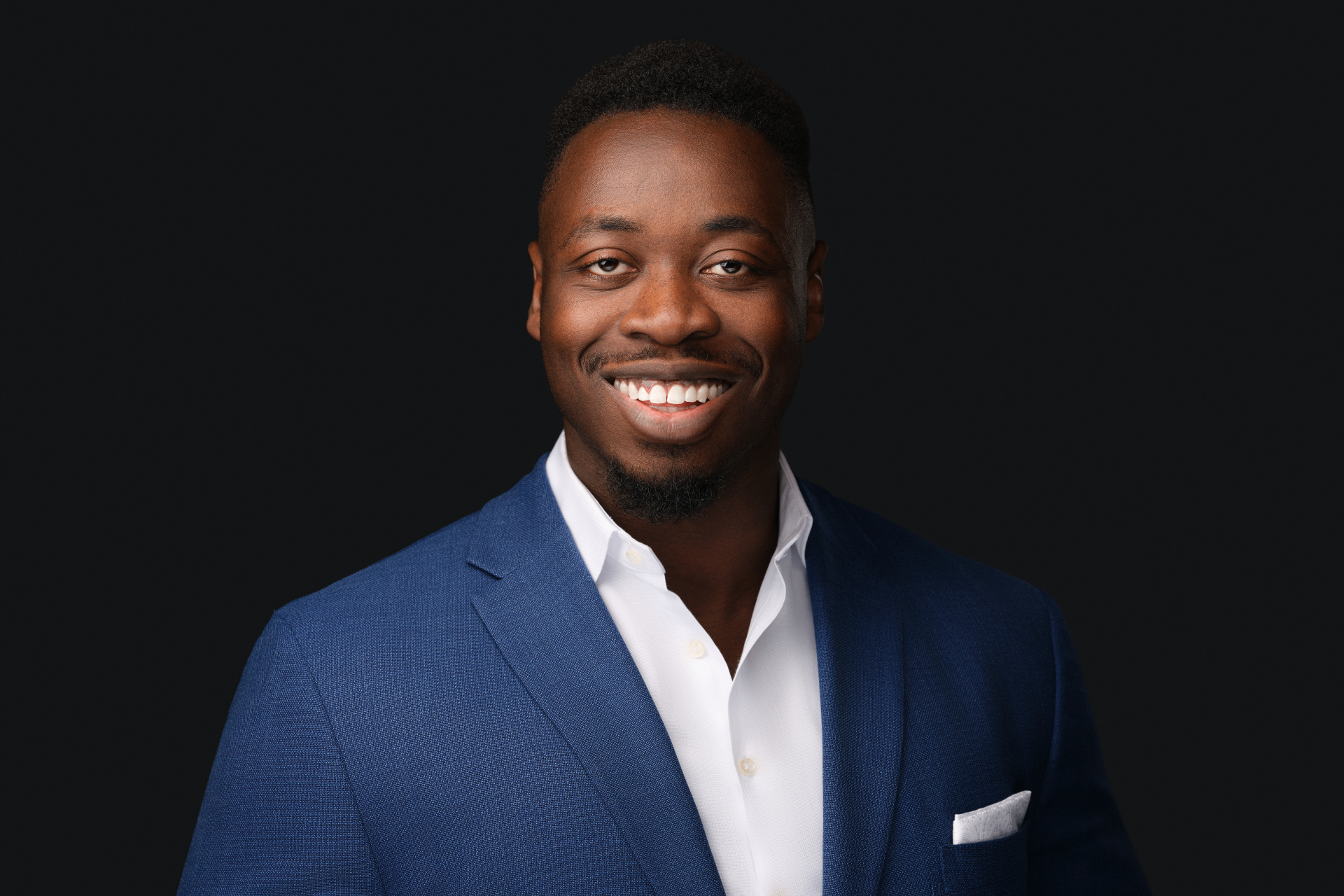
Natu Myers
All right everybody. Hi everybody. This is Natu Myers, back with the Raises.com Top Capital Raiser Show, and I'm joined by a very interesting guest: Monika Josik, who at first took the conventional path and now leads the fastest-growing real estate education platform in the world. Monika, it's great to meet you.
Monika
Thank you so much for having me. Very excited to be here.
Natu Myers
No problem, no problem. So Monika is somebody who, just doing some research and talking offline, I have here that you started as a normal family person. You were a stay-at-home mother, usually focused on the family. And you have these degrees: a master's of education from the University of Australia, and you've educated thousands of people. So can you walk us through how you got started, and what made you decide to start RPI Education in 2010?
Monika
Wow, well, a lot happened. Before we started RPI Education, like you said, I wanted to be a stay-at-home mom. We have four kids, and after having our first son in Australia, I was just finishing my master's degree. We made a decision at that point that rather than being a full-time teacher, I'd rather be a full-time stay-at-home mother. From there we relocated back to Canada, where we live now, had two kids, and I was working part-time.
Monika
But we reached another moment in our family life where we realized how expensive it is to live in Canada on one salary, how it's almost necessary to have two six-figure incomes just to get by. And I'm not talking about a lap-of-luxury lifestyle. I'm talking about being able to retire, to help our kids fund their university education, to make more money every month. My husband was making great money, and it still felt like there was never enough, even for the short term, never mind the long-term plans. And one day I realized: I am the financial plan. What society do we live in where it requires two full-time incomes to, quote-unquote, get by?
Monika
Our mindset really shifted. We realized that trading time for money in Canada is never going to work for us, or for any Canadian, and we needed to start learning different ways to make money. Real estate investing was the way we started looking. It really was that pivotal moment, especially after the crash in 2008, when all of our traditional planning pretty much disappeared overnight. We realized we needed to start thinking differently, acting differently, and investing differently, and that's when we really started educating ourselves about investing in real estate.
Natu Myers
That's amazing. At least you saw a difficult situation, took action, and now you're empowering people to do the same on their own. So when you started in 2010, was there a specific group of people you focused on? Because there are a lot of coaching programs and educational platforms out there in real estate. How do you differentiate RPI Education, and what type of people do you usually resonate with?
Monika
It's so funny, because there are so many coaching communities now that people can pick from, and back then we didn't know anyone. We didn't know anyone else investing in real estate. It was the book Rich Dad Poor Dad by Robert Kiyosaki that really changed things for us. We're very grateful for that book, it broadened our knowledge, and from there we had to go on our own. We started going blindly through it, buying properties, and we really didn't know what we were doing because we had no formal education.
Monika
But after buying our third property, we knew we wanted to formalize our education and meet other people doing what we were doing. There weren't any real estate clubs. There was maybe one, called Rain, in Mississauga, and it felt too far because we're in Markham. And by this time I think I was expecting number three.
Monika
It felt too far to go to Mississauga, and the easier thing seemed to be to start our own; no idea where that came from. So we just went on Meetup.com and started a free meetup to meet some like-minded people. It was a free event at the Holiday Inn around Christmas time, and people showed up. I couldn't believe there were other people interested in investing in real estate, interested in learning what we were doing. From that, our community started growing. We met the next month, people started asking to speak at our events, and we thought, well, we never even thought of that. So we started learning about things like raising capital, syndications, all these different specialties. As we grew and learned, we'd ask people to talk about things we were interested in.
Monika
We didn't even realize our wealth team was forming around us while we were learning. We graduated from free events to paid events and community centers, and as we formed our team and kept moving up and up, getting more information, we started building wealth, and the people around us started building wealth. That's really how the community developed: by sharing our team of experts with the community of people coming to these events every month.
Monika
Just before COVID, we had about six different events going on every single month, in person, all throughout Ontario. After COVID we had to stop in-person events. They used to be very action-packed events, all based around networking, knowledge, and information. They weren't sales seminars. They weren't pitches. It wasn't “buy a course.” It was our experts focusing on topics we found really important, starting with real estate investing, and then, as we developed as sophisticated investors, other important things: law, accounting, insurance, syndications, mortgages, private equity, all the things that go into what it really takes to invest in real estate.
Monika
When COVID hit, we had to stop, but we pivoted quickly and converted to an online platform. From that, we ended up opening 27 additional chapters across the globe and built our wealth team even further, across Canada, then the US, a group in Australia, and even the UK. All of our materials, education, platforms, courses, and experts are in those main Commonwealth areas, plus the US. We're able to adapt all of our materials, for example, in our Real Estate Wealth Immersion course and in our book Real Estate Wins, to accommodate learning tools for people in every one of those countries.
Monika
I think what really distinguishes us is this: it used to be that US seminar groups would come and do cookie-cutter presentations and sales pitches. We had to adapt. So our unique selling proposition is that we're very personalized and we adapt to the individual. We don't have a one-size-fits-all solution. We start with the person, help them identify what they're building wealth for in the first place, and then give them the tools to solve their own money problems, create their own wealth goals, and hold them accountable so they're constantly achieving.
Natu Myers
The beauty of your story is that it was based on a need, on solving a problem. And a quick follow-up: did it really explode even more after COVID, or was it already parabolic when you started?
Monika
It's always been up and down, like investing. Our journey is never-ending, and that's my one tagline: wealth building never stops. Whatever we're learning and focusing on is our job as investors. First and foremost, my husband Von and I are full-time real estate investors. We've done this for over 16 years. We don't have another job. That's our job. We run RPI Education, and we have our own portfolio that we manage and consistently grow and monitor in real time.
Monika
The main premise of our company has always been to share what we're doing, what we're focusing on, how we're pivoting, and also to share our wealth team of experts who help us make it happen, if people want to do that for themselves. Anyone in business or investments knows it's never smooth sailing all the time. It's always up and down. During COVID it was actually surprisingly busy. I'm grateful we switched to the online platform, because we met so many new members, friends, and experts, and participated in some amazing investments. If we hadn't had COVID, we never would have been forced to expand, we'd still be doing things primarily Ontario-based and online.
Monika
But now, with our teams across the globe, we're able to reach more people, because our mission really is to fill the wealth gap and help everyday people invest like the top 2%. It starts with education, to understand how these things work, but then really focuses on implementation, because if people are just learning and not doing anything with it, we're never going to solve anything or help fill the wealth gap. We always take a less-is-more approach. We're not here to make everyone a full-time real estate investor. We're here to help people build wealth through real estate and alternative investments. Some people want to keep their full-time jobs and just have better returns on their investments; we help them diversify and show them options. Others are ready to leave their jobs and do full-time investing, and we can help them achieve that too.
Natu Myers
You mentioned the education piece and also implementation. So if somebody comes and sees your website, sees your talks, talks to one of your representatives or to you, how does it work? Are you doing it for them, or are they doing it themselves? Do they have to invest and do everything themselves while you teach them, or can they get something like a financial analysis done for them? I'm super curious about the split between the service and the education.
Monika
It's kind of everything. I can never leave a person alone with just a course. I also have to respect people's entry points and where they're coming in. When we started investing, the first thing we did was real estate courses; we invested over $100,000 in our education. I'm grateful we did, and grateful we completed it in six months, and every course twice, with a mentor. We achieved a lot with that. I wouldn't be able to do what we did without that knowledge. But the majority of what we learned was self-taught, because it was learning through doing. We didn't have that follow-up support, and we made a million dollars of mistakes in real estate investing in our first few years.
Monika
We wrote about it in our book, Real Estate Mistakes. Learning is doing. So I wanted to create a platform with different entry points to help people learn how to build wealth the real way, where they could do it on their own. Unfortunately, with self-paced and online learning, the accountability isn't there. So I created the program like a coach, and I'm actually converting all of this into an app, an AI, now as well.
Monika
…to help more people, so they can have their wealth binder, where they can see exactly where they currently are and where they want to go. Even if people come into the community with a self-paced course, we always invite them to our members-only Facebook page so they can ask questions anytime, and we ask them to come live at least once a month for our members' advisory roundtable. I never like to leave anyone out and on their own. Just because one client might be doing weekly in-person coaching, I'm not going to give that client preferential treatment over someone who just bought our Wealth Immersion program. I think everyone needs that “do it with me.” So yes, we can show you how to do it, but I don't want anyone left alone with a course, like we were, left alone in the field with our mentor nowhere to be found. We didn't know what we were doing. So we always have that in-person accountability and point of contact with anyone, regardless of what level they're at.
Natu Myers
Speaking of levels, you have multiple, and as a business owner myself I'm curious how you handle it. Say two people come to you. One already has some real estate properties but is interested in what you offer; another doesn't even know what a cap rate is. What level do each of them go to, and how many levels are there? Because there seem to be levels to this system. How does that work?
Monika
Yeah, we have different levels to nurture people, because I want to help people really build wealth, and, like I keep saying, wealth building never stops. I want people to come into the community at the level they want at that particular time, and then be able to stay throughout.
Monika
The first entry level is our Wealth Immersion program. It's a seven-module, self-paced course we created. It's a lot of information, and it covers the seven key factors to building wealth like the top 2%. Real estate investing is just the first one, but it takes you all the way to joint venture partnerships at the end. It gives you total comprehension of what real estate is, through videos, downloads, spreadsheets, and activities, from me and from our different experts. So it's not just me they're listening to.
Monika
The other six modules: mortgages and strategic leverage; insurance and how to build wealth through insurance while you're alive and when you pass; self-directing registered funds, which is your wheelhouse too, private equity, what people can do with their RRSPs. Like I said, we're global, so this includes 401(k)s for the US, the UK's information, Australia's superannuation. We've broken it all down; it's global information for each one. We also cover proper use of a corporation, taxes, and accounting, very, very important, and then estate planning. When people go through Wealth Immersion, watching the series of videos and downloads, I created it like a coach in your pocket for people who don't want to work with us just yet, who don't want an actual coach yet.
Monika
The next coaching level is personal group coaching. I do a full financial assessment of you, who you are, what you want to do, a full analysis. We jump on a call and create your action plan: what you really want to achieve and how we're going to get you there. We give you homework from the get-go. Everything's recorded and shared on Google Drive. You have your goals and action items, and you have four weeks to get the work done until we jump on Zoom again. Then all we talk about is: did you do this, did you do that? We don't talk about “I want to buy a mobile home park now, I want to go to outer space.”
Monika
We hold people accountable and stick them to the goal. If they need to change the goal, we'll change it. The one-on-one bundle includes the Wealth Immersion program too, so if they say, “I just want to focus on insurance,” we can fast-track them to the specific videos, modules, and downloads, and provide additional ones, because we know who we're working with and where they are. We want everyone to eventually be at that level.
Monika
The next one is our Elite, or advisory, level. These are people getting weekly coaching, so everything moves up to more accountability and more progress. What speed do you want to achieve at? What speed do you want to move at? We've had clients come in at Wealth Immersion, go up to personal group coaching, then up to Elite, and then back down to Wealth Immersion, which is amazing, because there are ebbs and flows in investing. Sometimes people are like, “I bought what I wanted, now I'm stabilizing, but I don't want to lose connection with my coach. I want to stay in the community, jump on the members' forum, come to the monthly advisory, or just have access to the course to rewatch things.” As soon as we lose that point of contact and don't know what someone's doing, it's very difficult to get them caught up again. So we never like to lose that relationship. It's very common for our members to fluctuate throughout the community.
Natu Myers
Just curious, do you ever do deals with some of your clients, or is it more of a “you're on your own” type of thing?
Monika
I love that question, because a lot of groups' main focus is to do deals with their clients. When we started out, we were like a joint venture group, because we wanted to do deals with people we got to know. But back then we thought real estate investing was just buying and selling homes and doing everything we learned in those $100,000 courses.
Monika
As our wealth team built around us, we realized there's so much more happening: how to do this properly, safely, and tax-efficiently, and how to really build wealth by diversifying across different facets and having them complement one another. Like having insurance complement the Smith Maneuver, or infinite banking, all these concepts we've learned how to do and maximize, and how to put together. I love private equity; it's one of my number-one passive investments. How can we educate people on those options? A lot of what we do is outside our own wheelhouse and is covered by our team. There are a lot of ways to build wealth.
Monika
So whereas we started just to meet like-minded people and find partners, our main focus is to fill the wealth gap and provide education. From time to time we do have investment opportunities that we'll work on with our partners. We also have a joint venture course that we sell. The number-one thing in that course is that you reach a point as a real estate investor where you want to stop using your own money. After you perfect your real estate model, because you've done it on your own several times and you're very good at it, you reach a point where you're no longer building wealth for self. Now it's time to run your business, which is a natural expansion into building wealth for others and with others, because you need different types of income in real estate: income for self, income with others, and income for others.
Monika
You have to be very multifaceted. Once you have your own portfolio, you have to know when you've hit “enough”, and it will hit enough, and at that point you're really running a business where you can help others while still benefiting and offering a service. They all work independently; in times like these, when one goes back, the others move forward. So, long answer short: yes, we have done deals with clients, but our main focus is really to provide the education.
Natu Myers
That makes perfect sense. And what's interesting, a quick tangent on our side, is that we started as education and now we're more implementation. It's tricky, because if we're teaching somebody how to do something, they don't yet know how to do it. For them to have a good deal, to be a sponsor ready to raise millions to acquire and run a business successfully, they need to learn a lot first. So it's almost as if we have to get another type of person who's ready to implement. It makes a lot of sense why you focus on education, because it's such a needed thing, especially for people who actually want to close real estate deals sustainably and successfully over the rest of their lives.
Monika
Well, in the deals you're doing, yes, you need to partner and raise. But for most real estate investments, especially residential and smaller-scale, you don't need me. If I'm your partner, I'm going to take 50%.
Monika
And that's fine. If you want to mitigate risk and grow passively, that's totally fine. It's a great deal for you; you'll still get an amazing return. But if you don't need me, and I want to help people build wealth for self, and I know our team can take care of them entirely, yes, they'll have to do some work, because real estate investing is not passive.
Monika
If you want a passive investment, invest in private equity, or write a check into a larger project. We'll make it happen for you, or our group of investors will. But otherwise, if you're just looking to build personal wealth or start off solving that money problem, chances are we have such a turnkey system that we can take care of you so well, you probably don't even need us.
Natu Myers
That makes perfect sense. So what are some common misconceptions people have at different levels? And where have people really seen your expertise shine, tactically, where they've been stuck, or had a limiting or false belief about how the business works? What are some examples of things you've educated people on where they just needed that light-bulb moment to go to the next level?
Monika
Well, when it comes to money, it's very confusing, and people aren't aware of their options for building wealth like the top 2%. We started off as the example, we are our client, so I'm very empathetic. I understand what it's like to be in that position of only knowing what we've been given our whole lives, and that frustration of, “I'm educated, I worked so hard, I did everything they told me to do, and I'm still not getting ahead. What's wrong with me?” And the answer is: nothing is wrong with you. You just haven't been studying the 16 years of information we've collected on how the top 2% really invest. And this goes way beyond real estate investing.
Monika
It's really about money: how money works, how to grow it, and how to create systems that all work together to elevate your wealth in a simple system. And it's not complicated. Our education materials help people understand the general idea of how things work, so when they connect with the experts, they can follow along in a conversation. I don't want people being talked into things or agreeing to things they don't understand. We're all about educating, empowering, and then implementing.
Monika
One of our amazing members signed up for personal group coaching and went through the Wealth Immersion program. We created his wealth plan and he started achieving from day one. He described our program as “the matrix.” He said, and we have this testimony, “I've now taken the red pill, and I can't see things the way they were before.” We're really good at giving people that information and explaining things, giving them that red pill, so they start seeing things differently. And once you see things that way, you can never go backwards. You won't believe what your traditional bank or financial planner tells you about wealth building. You'll know when you're being sold a shoddy product, because a lot of people in finance and the wealth industry operate on sales commissions.
Monika
Even realtors, they want to sell a house. If they're not an investor agent and they're just selling for whatever, they're getting a higher commission, right? All of our teams are client-centric. We always go for the need of the client. People aren't chasing trailers or commissions or quotas. We're really looking at the client and how we can best serve them. That was one of my favorite testimonials to hear, how we're able to educate and empower people so they see there really is another way, and then they start getting results. The world's wealthiest families don't invest like the everyday person, and that's why they don't experience the money problems everyday people do. We believe education and empowerment can be achieved by anyone, regardless of current socioeconomic status. Anyone with that willingness and desire to improve can take the information, get connected with the right people, and start putting it into action immediately.
Natu Myers
That's huge. Now, on our side, some of the people we talk to, probably a minority watching this specific video, but talk to me about the Elites, the top-level program. What are some things you educate people on, and, if you can drop some nuggets, what have been breakthroughs for people in that top-level program? Anyone watching who wants to start a fund, raise capital, do more deals, buy a building like the one behind me, that's the top level. Can you walk us through how that looks?
Monika
Absolutely. Sometimes we'll come across people who are still stuck in individual investments, and I'll point out: why are you still doing this? You have enough. People don't know when to stop; they ask, “Can you ever have enough?” And I say, yes. Having 100 properties is like having 100 kids. It's not serving you. Where do you want your life to be? We always start very holistically. What is it you really want to be doing?
Monika
Now, if you want to own multiple properties under an umbrella, the way to do it is to create a fund, like you said. You don't need 100 properties. If you want 100 properties, you should be using a fund. You have to learn to raise capital. You could be doing it with others. This is now a business, a totally different thing. So at that point you have to ask yourself: Do I want to run a fund? Do I want to manage a fund? Do I want to have a real estate business? This is what I help a lot of people with in the Elite program: how do I replace my job income by doing real estate full-time? And it's not by living off cash flow.
Natu Myers
Yeah, that's not the way real estate investing works.
Monika
You need some area of specialty in which you're running a real estate business. That's what I help people create. If you're creating a fund, you're a fund manager, and your job is to create the fund, raise capital for it, have your board of directors, your acquisitions and implementation teams, and keep adding to it, doing it in a compliant…
Natu Myers
Yeah, compliant manner.
Monika
If you want to be your own back office, you have to go through that. If you want to have EMDs, you have to learn how to do that. People think it's so easy: “Oh, I'll just go out in a GP/LP structure and do whatever.” You could do that, but that's a less sophisticated approach. Where are you going with it? It's a good way to work with other people on a deal-to-deal basis, but you're still not packaging your deals. Who owns that? Anything in the private equity world is built privately to sell publicly. We're beyond the point of owning everything and holding it ourselves. The top 2% are bigger than that, and we always have to look at where we're going. Hoarding buildings close to our chest, having 100 properties, that's not the most strategic way to do it.
Monika
Even if you create that fund: what is the fund's exit? Where are we going with it? That's what we really help people with: what do you want in the first place? What kind of business do you want to create? What kind of portfolio? If you identify freedom, family, travel pursuits, this often comes up, we'll help you create a business around that. I'm not in the culture of trading time for money, like “work for seven years so you don't have to work the rest of your life,” whatever those sayings are.
Monika
Or “respect the grind” and all those things. If you're an entrepreneur, you're going to be grinding whether you like it or not. There are no days off, there's always stuff that happens, but you have to build a business around your life. We've helped people do that, because I really have to get people over this “I just have this many properties” mindset. Can we structure your properties properly, organizationally, and then, if they want, help them create that fund, put it in the fund, and add to it? We've helped people at that extreme.
Monika
Another Elite student immigrated from India and had a dream of owning a pizza franchise, which was funny because he was a pizza delivery guy when he first came here. We went through the whole pizza franchising process; I have a lot of connections in the franchising industry. I guided him through the research and due diligence, and he learned there's no money in that and it wouldn't get him where he wanted to go. But from what he learned, he decided to buy a different type of business. We got that business off the ground, replaced his job income with it, and then started franchising it. So it didn't even have anything to do with real estate, though in the meantime he did end up buying properties as well. His main focus in coaching was increasing income streams and learning business development. I've helped quite a few people take existing businesses and build to sell, or even start franchising, which is super cool.
Monika
And another student, an average path, joined personal group coaching, bought a property, and duplexed it in Oshawa. It took 12 weeks. That's how long it takes if you have all your ducks in a row, you're ready to go, you have a little money, and you can qualify. It can be that fast. From there he bought another duplex, turned it into a triplex, then flipped a home, and made $120,000 in 12 weeks. Now he's replicating that model as a construction company and house flipper to eventually replace his working income. So it can also be totally real estate–based.
Natu Myers
Sorry, you got…
Monika
Yeah, yeah, I'm good.
Natu Myers
You landed. Okay, no, it's awesome. Here's a thought that may be on a lot of people's minds: business or real estate, which one do you think the average person listening to your content should choose? Obviously you're the expert in real estate, and also in business and other aspects. But what are your thoughts?
Monika
Let's not forget relationships and parenting. Sometimes on these coaching calls I identify people who've really lost their life. We help people get their lives back, too. We had two clients turning 50 who said, “We want to go home to Venezuela to celebrate our 50th birthday.” I said, “That's your number-one goal. Let's make it happen.” We looked at the finances, and I said, “You have the money. What's stopping you?” Sometimes you just need someone to point things out and give you permission to do it. Then they realize what they're doing it all for in the first place.
Monika
So in Elite coaching we're always doing the Wheel of Life, which includes business and real estate investing, but also friends, family, recreation, and pursuits. We help people with powerlifting, CrossFit. I'm a tennis fan, so a lot of our clients become tennis players and golfers, because that's where they want their time to be. It's about health, wealth, relationships, fun, personal development and growth, as well as building ongoing wealth through residual income. I'm always about seven streams of residual income, which include your own investments, your business investments, and investments with others. So we help people break it down and create these different types of income streams.
Monika
For a lot of people, it's their job, they're working. So it all comes down to that personal coaching session, identifying what you want to be doing. If you want to leave your job, we can help you do that. My husband left his job on his 40th birthday. It took us five years. He walked up to his boss's office and quit right on his 40th birthday, and wrote a book about it, From Employee to Entrepreneur. So everything we help people do, we actually do.
Monika
Some people want to be a stay-at-home parent like I was, we help them restructure their whole family and financial life so they can make it happen. Some people want to be entrepreneurs, we help them transition from their job. Some just want better returns on investment, and some want to make millions of dollars a year, whether through business growth or investments. Whatever it is that drives the person and what they want to achieve, we're there to show them how to make it possible. An interesting person who does this is Tony Robbins, who I absolutely love. A lot of people talk in large, vague numbers to make it seem unreal, and he makes it real. For example: “I want millions of dollars.” Well, how many millions? “$50 million.” Well, what do you need $50 million for? “I want to buy a mansion.” Okay…
Monika
Well, how much does a mansion cost in your area? Okay, it's like $5 million. Okay, so you need five, you don't need 50. “But I want a jet.” Okay, well how much is that? You know, and do you really want a jet? Like, why won't you just rent one? Have you ever been on one before? Maybe it's bumpy and gives you headaches. People just kind of talk at like these big picture sort of things so then they don't ever have to actually do it. If you're working with us now, this is the one thing about us: every single person that works with us actually ends up doing it. They are doing something, like it's very hard to work with us to the point that you don't achieve anything, because they pretty much run and hide from me because they just won't come to coaching sessions anymore, and I will phone them and be like, “Where are you?”. And then they'll have to eventually say, “I'm not ready” or “I'm just too psyched out” or whatever, and that's a them problem. I can't force people; I could guide a horse to water, but you can't force it to drink.
Monika
And even between you and me and the rest of the world on this podcast, when people are on these online courses, I monitor our systems, I watch our CRM, I go into our platforms, and I will check on people's progress who I don't even know because I do care. And if they are not checking in or not doing anything, I reach out. I always reach out and say, “You're aware that we have in-person? You're aware that if you have any questions, we're here? We're here to help, you have us, it's no extra fee”. Yeah, we really just want people to succeed.
Natu Myers
No, that's awesome. So essentially, you're an architect in reverse engineering somebody's dream into a reality, because instead of it just being fluff and abstract talk because it sounds nice, you're reverse engineering what they actually want and seeing how to actually turn this into a reality. So one question I really have for you, and I know we're maybe running on time, is that there are some people, because I'm in a similar business more on implementation, who are super experienced, who do one-off deals and stay stuck in one-off deals. We have some other people that are not experienced and want to go straight to a fund. They'll even get credit, have no money, negative net worth, and try to pay for a fund even though they're not ready, and we have to push them away. What do you think? We've seen some good money in one-offs, but then there's also some good money in funds, and on our side we've just seen equity is a lot of compliance and a lot of headaches. Some people just get a quick leverage buyout done or something like that. Long story short, why do some people stay in the one-off deal world even though they have a ton of experience, and why do some people try to do a fund even though maybe it's premature?
Monika
Can I have an example of what the one-off deal world is?
Natu Myers
Sure. So yeah, I mean look, buying a strip mall. Like there's a Canadian guy, he got his EB5 visa, he wants to buy his strip in the US but he's ready for it, he has the money and he's smart. But that's an example, but he could also do a fund. He's smart enough to also do a fund too.
Monika
But what does he want to do? What fits with his life the best? Because if he wants his EB5 visa… Does the EB5 visa allow you to buy strip malls?
Natu Myers
No, it has an active component to it.
Monika
So maybe you'd have to have a property management company there and then now he's managing things.
Natu Myers
It is a good question. I know that he was introduced by somebody I know so I don't know him that well, but one thing I do know is that he got a fiveplex or something. He got between five and eight units and he already actually has the EB5. This one is just for him to… actually I don't really know. It's my associates that are working closely with him, so I don't know what his intention is, but I do know that he already has an EB5 and he has between five and eight units that he used to get the EB5. So I don't know, I guess let's pretend he didn't, right?
Monika
Let's pretend, to get this visa, that could be a great reason to get a real estate thing for a one-off thing. Say if he's like, “Oh, I want to get into the US and I want to start doing something. My purpose here for this one-off investment to buy this plaza is so I can get this visa.” And now I could start doing and creating a fund in the US, or I can live in the US and open up my surf shack. Who knows what he wants to do for other things happening, or maybe I want to live there because my daughter lives there and she's going to school there and I just want to be closer to my kids. You never know why people are doing things and what the reason is.
Monika
Like the one great thing about these types of real estate too, and a lot of new immigrants in Canada and the US, one great investment that a lot of them are buying is hotels. I love hotels as investments. We have some great realtors at Marcus and Millichap across the US states and it's an amazing thing that people can buy and you get visas with them too. That's a very personal decision in which you're kind of buying three things: one is you're getting a lifestyle change for your life for immigration purposes; two, you actually have a real estate acquisition; but three, you also are purchasing an actual business which creates the income because the cap rates on those can be very high. So in that case, that would be a perfect one-off because they've just solved three problems, and maybe all that person really wants to do is immigrate more family members from India, have them all work in their family business on the hotel, because a lot of them are family-owned and operated.
Monika
Personally for me, when I'm looking to purchase, I want something turnkey because I'm not standing behind checking people and standing behind some hotel standard. Just like if we buy any business, we're not going to be making your sandwich or doing your nails or fixing your car or changing your brake pads. We want to have things that are fully operational, turnkey, because what we're looking to do is buy businesses that are profitable and under full operation because it's more of a passive investment. Yes, you have to manage your team and do whatever, but we don't want to be doing that trading time for money, but a lot of people do and rightfully so, and in that case, that's all they need.
Monika
But when people do want to do what we help train people to do, is create what we call a model. So your real estate model is you do one thing. That one elite client I told you about, he buys single-family properties in Durham and converts them to multi-family residences. That's all he does in Durham; he has a very specific area and that's all he'll focus on. So when he comes to me and he's like, “Oh I'm looking at doing something in Peterborough,” we're like, “No, it's not Durham, you know, don't lose your focus, don't change your model”. And eventually, that's how people really kind of build that repeatable thing.
Monika
So I do love plazas and strip malls. If he wanted to create a series of plazas and strip malls, we'd help him or that client build those so they have that income, tenant them, manage them, and they have that income. But also, my favorite thing about those strip malls is to buy freestanding malls in great locations that eventually can be condominium complexes. That's what most people buy malls for. So maybe their 10-year goal is to accumulate 10, and even then I'd be encouraging that person to structure it in the proper corporations and format that they are creating a fund, even if it's a family office, but to really begin with that end in mind and always buy and build to scale and sell.
Natu Myers
See, that's brilliant. If anybody's watching this, you're getting some free advisory here, because clearly Monika knows how to take one… see, I just came to it and was spitballing, and then you can see the different angles that you can add value to it. Because a lot of people want you to have a track record in having a fund, but then the issue is people don't have a track record because they don't have a fund. But then that's why Monika is saying here are some ideas. So if you want to go bigger later, then you know you have that. So that's brilliant.
Monika
Yeah, always start the way that you want to finish. Begin with the end in mind. Now, a lot of people in real estate investing, they've done something and they usually make a mistake, and that's really good and it's okay. I don't think you're stupid; don't be embarrassed, don't be mad at yourself. Everyone does, you know, the only way to go through anything unaided is learning through doing and you are going to make mistakes. A lot of people are embarrassed right now because they bought five condos pre-construction and now they're all underwater. “What do I do?” You know, sometimes it's hard to come to someone and get help with that.
Monika
But that's sometimes where you have to start; you have to really meet people where they are and what they're currently dealing with and help give them advice on their current situation and get out of that current situation, or help stop making a bad situation worse. At least sometimes in investing and real estate, you have to lose money in order to hit that reset button and start all over. It's just part of investing; that's just the way it is, you're going to win some, you're going to lose some. Don't ever be scared to start over. And we just want people to stop digging themselves in these holes because a lot of people are really in bad situations right now and they really don't know what to do. And a lot of our consulting that we're doing is having a look at people's existing portfolios or their financial situations, advising on how to put out some fires right now, and then also how they can reset so then they can move forward and start doing some of the good investments and improve their situation.
Natu Myers
Yeah, that's huge. And I guess looking into the future because you're such an interesting guest to have here because you know how to deal with the people who are just starting and you also know how to deal with the people that are more involved. So when we look in the future, we look at where things are going. You know some people say, “Hey, AI is here and LLMs are here.” How does the future look like? And even now we see that things are very polarized like we get the objection about “hey we only want to invest in red states or in Alberta in Canada or in red states in the states,” and then that's it. Even just my friend texting me, “Hey, you know what's going to happen with the markets?” So long story short, where do you think the future is going and how is the entire community here handling the changes that are going to happen if there are any changes? What do you think of the future?
Monika
So it's so funny because we've been in such a bad spot for like three years now.
Monika
And then in year one I was like, “Oh it can't get any worse,” and it did. It's been like one thing after another. So at first, I used to say things like, “Don't worry, we just need to get through this election,” and then “Don't worry, we just got to get through this,” and “It can't go any lower”. We're at such a bad point right now, all I could say is like every day it's something new. Like even now like the hantavirus, look at that, there's war in Iran, or now we have the fuel prices, the interest rate, it's always so… I really was thinking that interest rates would… I didn't think they'd go back down to what they were like in a negative interest rate environment, but I thought they were definitely going to go down and then real estate would spike right back up.
Monika
That's kind of the way it hasn't happened, but the prices now, it's really a great time for people to buy and get into it because we are really at an all-time low. And you have to really go in eyes wide open knowing we don't know how much lower it's going to go, because I never saw it going this low. Like I'm looking at prices that are so low; this is like from 15 years ago prices, like this is insanely low. And can it go lower? Maybe. What do I know, I'm the one that was saying everything will be fine two years ago and it's still not. So all I could tell, but with real estate investing it's a really amazing investment because what you can control is what you buy.
Monika
How much you buy it for. So you are buying low right now. People are always scared like, “Oh what if it goes lower?” Okay it might, but that's not a problem if you're buying the right way. So let's pretend it could go lower, what would be okay if it does, and how can you protect yourself? Well, you could buy at a low price that makes sense for you from like a cash flow perspective right now. Like single-family homes no longer work. We do a lot of single-family to multi conversions.
Monika
And a lot of municipalities are awarding that too. Like Toronto eliminated all the development charges in certain areas for five, six units. Like this is huge; there's a lot of opportunity here to do that. But what we used to love to do in the good old days was the BRRRR strategy where we'd buy a house below market value, add value to the house, refinance, pull all your money out, and then still run a cash flow positive asset. Well now appraisals, because the prices are so low, appraisals are all over the place. And so it's really hard to pull the money right back out. So you could still do that, but you just have to do it with a more conservative approach. You have to buy it low, you have to have cash on hand or a line of credit to be able to increase the value.
Monika
And then you have to wait until the appraisals will be able to come in. You have to have a little bit of money in the pocket or line of credits or in the bank willing to stay, and then you're going to benefit from an income approach, which we normally don't really benefit from, but our goal really is cash flow positive, way above neutral, and able to shoulder any of these deficiencies. So let's pretend we got to be really conservative here. We've increased the value, you got a mortgage say for 800,000 or whatever this property in Toronto. It's low, right? But we're going to put some money into a quarter of a million dollars. Now you're turning it into technically a $1.7 million property. Is it going to come out without an appraisal? Maybe, maybe not. If not, we're just going to let it sit there for a while. Okay, because the fact of the matter is you got it in there for $800,000, there's a lot of equity in there. Even if properties do drop, you still have built-in equity because of your construction repairs. As long as you're happy with those numbers of knowing what they're going to create when you go with that deal, “I'm going to buy for this, I'm going to put this in, and then I'm just going to hold it and rent it out until the market improves and I'm going to be making X amount every month.”
Monika
So let's pretend two units are vacant. I'm still going to be cash flow neutral, I could live with that, but I'm also gonna have a huge contingency in case everyone stops paying. And then that's just part of investing. And people have to be prepared for all these different sort of things that can happen and be okay with that so you don't panic. And that's why we're in the situation we're in now because people bought too high. They bought for low interest, they can't hold normal interest rates, and they're panicking and they're fire sailing. That's what's caused this whole mess to begin with.
Monika
So when people are in an emotional environment like that, that's when everything's for sale and that's when you want to go in and be able to buy. But you have to go in with plans and preparation and be able to weather this market. So now we're buying at a discount, buy things, hold things, and then do those value adds, make your money back from an income approach right now and just wait until the timing is right, and then we can get back into that equity because now is the time of cash flow, not equity. It used to be equity appreciation; that's what we'd always be focusing on was forced appreciation and then using that equity for those returns. But now you just got to wait a little longer.
Natu Myers
And she's speaking globally, right? Okay, it's brilliant. See, anyone listening to this, I want you to consider Monika because people need to see something from multiple market cycles. A lot of these young kids that are coming up these days, they haven't experienced 2008 or 2001. So what happens is they think everything is either 100% appreciation or 100% cash flow. Another thing is a lot of people benefited off the low interest rates and so the skill level was really low because a broken clock is right twice a day. If you have low interest rates and then you have sloppy accounting and underwriting, you can get away with anything.
Monika
So I think although it's really rough, and if you're seeing Monika and her business here still growing and everything, then you can clearly see that if things are at this level and then she's doing this good, then imagine when things go the other way. I really encourage you to look at people like Monika who have gone through multiple market cycles so that they know how to have rigid and strict contingency plans. It's a very mature way of thinking. I'm really enjoying this, but you know I guess all good things have to come to an end. But anybody listening to this, whether you're at stage zero, you're at stage 10, whether you're just a little bit real estate curious let's say, or you're somebody who already owns some assets and you want to clean up some of your plans, how does somebody get in touch with the RPI team? Like is there a phone number or how does it work?
Monika
Well, you can visit our website rpieducation.com and just send us an email at info@rpinvestments.ca. All our information is on there and I think our services and programs are online, but just shoot us an email and we could always schedule a call and see where we could meet you at, because we really like to talk to people to see what level they would best benefit from. And like I said at the start of this interview, get people in the community at the best place where they should be and then ideally so they can stay and continue to benefit from the community.
Natu Myers
That's amazing. Yeah, no, I love this conversation. It's refreshing talking to somebody who can come in at the beginning level and at the end level, and you know Canada focused, global minded. It's really rare, you know? So whenever you see somebody like this, stay really close and try to understand how the company works, and it'll be in the show notes to hit the website. But just to close, what are some last things that you'd share? So when it comes to anybody listening to this, if there's one thing that they should remember about you Monika and everything your organization stands for, what should they remember in closing?
Monika
Wealth building never stops. No matter where you are, whether you're building wealth, whether you're maintaining wealth, whether you're creating wealth, it never stops. And that's what we've learned in the past few years. Even if you have your wealth, it has to be able to sustain and go through different sort of conditions. And we need to continuously pivot. So even if people think “Oh, I'm an experienced investor,” you could always benefit from outside counsel. And even if you're someone who's totally starting out, there's always a spot where you could start, a starting point. Even if it's with education, that's the first key to wealth where you could really start building wealth and learning what to do to then learn what those next steps are.
Natu Myers
That's awesome. So RPIeducation.com is the website and you'll be…
Monika
Yes, okay, rpieducation.com everybody.
Natu Myers
And with this I thank you for this episode of the raises.com capital raiser show. And Monika, thank you again, it's been awesome talking.
Monika
Thanks so much for having me. Thank you